









Story Highlight
– Government issues urgent alert on baby sleep pillows.
– Products linked to suffocation and overheating risks.
– Safety concerns include Sudden Infant Death Syndrome (SIDS).
– Alert targets parents, caregivers, and childcare facilities.
– Assessment and removal of unsafe products underway.
Full Story
A urgent safety warning has been issued by authorities regarding a widely used baby product, namely baby sleep pillows, which have been found to pose significant health risks for infants. The Office for Product Safety and Standards (OPSS) has taken this action to inform parents and caregivers about the dangers associated with these items, which can potentially lead to severe harm or even fatal incidents involving babies.
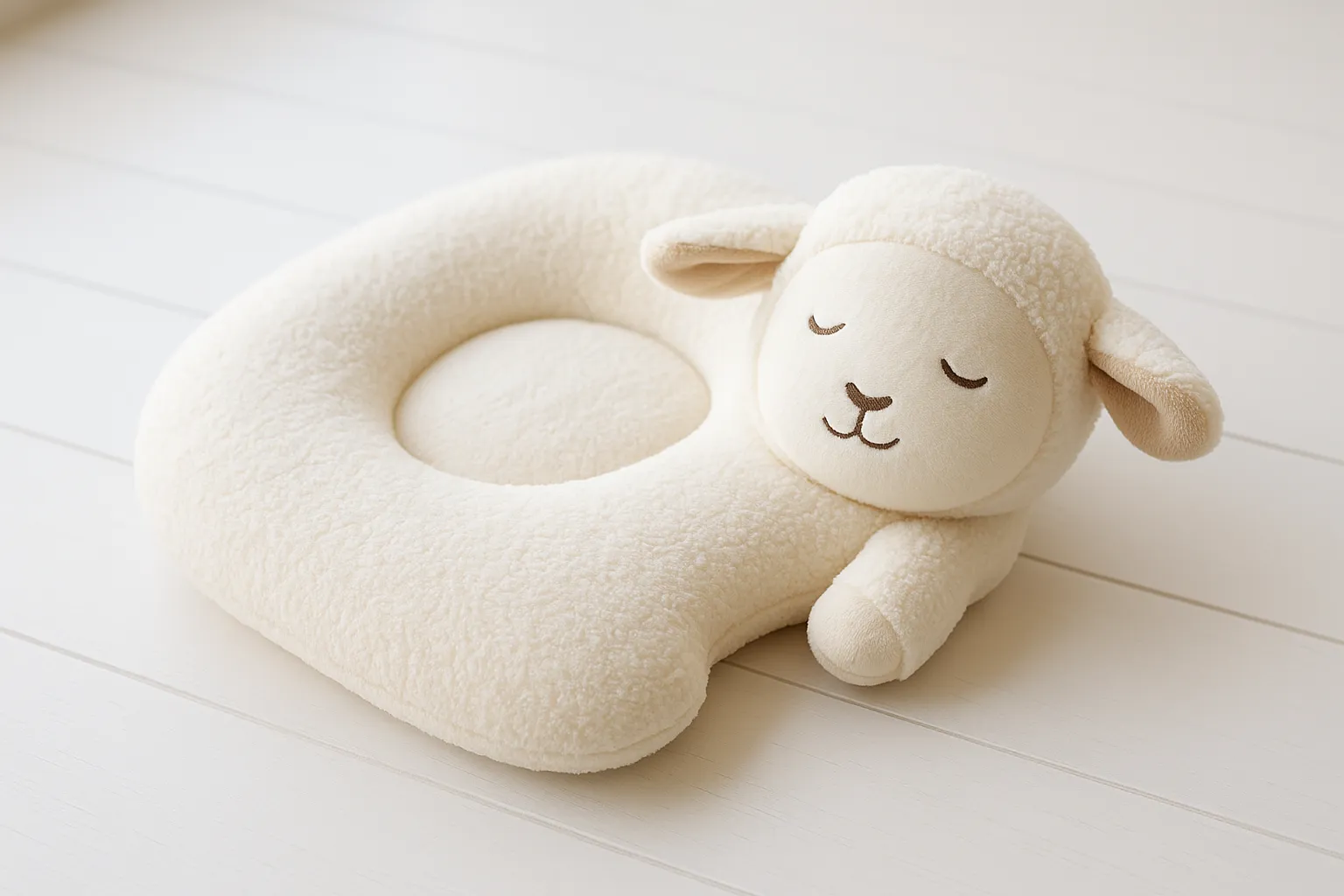
These pillows, often designed in animal shapes, are marketed as comfort aids for infants during sleep. However, the OPSS has raised serious concerns over their safety. The risks identified include suffocation and overheating, both of which can be linked to cases of Sudden Infant Death Syndrome (SIDS). The alert emphasises the potential life-threatening consequences of placing a baby on such pillows, especially when they are left unattended during sleep.
In its announcement, the OPSS stated, “Baby Sleep Pillows can pose a risk of suffocation, overheating and death to babies. This Alert is for consumers (particularly parents and caregivers to babies), childcare and educational establishments, local authority trading standards and businesses to warn of the potential harm that baby sleep pillows can pose.” Data has shown that the risks of suffocation and overheating are notably pronounced for infants under the age of 12 months. The danger intensifies when these sleep pillows are placed in cots or cribs, potentially leading to accidental suffocation or overheating incidents.
The agency specifically highlighted the alarming connection between these products and fatalities recorded both in the UK and internationally, indicating that “OPSS has significant concerns about ‘Baby Sleep Pillows’ marketed for babies under 12 months old.” Such products are deemed to endorse sleeping practices that contradict NHS Safe Sleep guidelines, thus raising a flag for public safety officials. The OPSS is actively working to scrutinise these items further and remove any deemed unsafe from the marketplace.
It should be noted that the term “Baby Sleep Pillow” is a general descriptor in this safety alert, encompassing a variety of similar products. Other names that these pillows are known by include Baby Anti-stress Cushion, Baby Comfort Cushion, Baby Cuddle Cushion, Baby Hug Pillow, Baby Pillow, Sleeping Pillow, Stuffed Pillow, Baby Sleep Cushion, and Exhaust Pillow.
Dr Rory McGill, who serves as the interim director of public health for Sefton Council, articulated the potential hazards posed by these pillows, stating, “If a baby presses their mouth and nose against the soft and squishy materials these products tend to be made of, it can lead to suffocation. And if a sleeping baby’s head sinks into a pillow’s soft surface, heat can’t escape and they can overheat, which results in a higher risk of Sudden Infant Death Syndrome (SIDS).”
Dr McGill emphasised the importance of raising awareness among parents, caregivers, nurseries, schools, and businesses regarding these risks. He stated, “We want to ensure that parents and carers in Sefton, as well as nurseries, schools and businesses are aware of the potential dangers of baby sleep pillows. The dangers are not inevitable, but even one baby harmed is one too many.”
Given the ongoing nature of this safety alert, the government, along with local authorities, is urging parents to critically assess baby products before use, particularly those advertised as sleep aids. It is crucial for caregivers to familiarise themselves with safe sleeping practices, ensuring infants are placed in sleep environments that prioritise their wellbeing.
In the wake of this alert, calls for improved regulations surrounding baby sleep products are likely to intensify. Experts in child safety are advocating for measures that hold manufacturers accountable for the safety of their products, particularly those marketed to vulnerable groups such as infants.
This incident serves as a reminder of the persistence of safety concerns regarding infant products and the necessity for parents to stay informed about the latest safety guidelines. Parents are encouraged to consult with health professionals and refer to recognised sources such as the NHS for advice on safe sleeping practices that enhance infant safety during sleep.
Local authorities are expected to take assertive steps to communicate this warning effectively, utilising various platforms to reach as many parents and caregivers as possible. The focus will be on educating the public about product safety standards and the critical need for vigilance when selecting items intended for infants.
As this alert continues to resonate among parents, the overarching goal remains clear: to protect the health and safety of infants by fostering awareness and encouraging adherence to recognised safe sleeping practices. Moreover, it underscores the vital role both national and local health organisations play in safeguarding child welfare, ensuring that the paediatric community remains vigilant against any product that may compromise a child’s safety.
Our Thoughts
The alert regarding baby sleep pillows highlights significant failures in consumer protection and product safety oversight. To prevent incidents like these, stricter enforcement of UK regulations such as the General Product Safety Regulations 2005 could be essential. This legislation mandates that products sold must be safe for their intended use. Compliance checks should be rigorously conducted to ensure that products, particularly those aimed at vulnerable populations such as infants, meet safety standards established by the NHS Safe Sleep guidance.
Furthermore, manufacturers should be held accountable for conducting thorough safety assessments and should provide adequate warnings about the dangers associated with their products. Enhanced communication strategies aimed at educating parents and caregivers about the risks of baby sleep pillows could decrease usage rates and potentially save lives.
Regular updates and monitoring of market products through the Office for Product Safety and Standards (OPSS) could also help in rapidly addressing emerging safety concerns. Public awareness campaigns might aid in informing caregivers, thereby ensuring safer sleeping practices and reducing the risks of SIDS and other related hazards.