















Story Highlight
– Trump claimed paracetamol linked to autism rise.
– Experts confirm no evidence linking paracetamol to autism.
– Government reassures pregnant women about paracetamol safety.
– Health officials urge to follow existing medication guidelines.
– Research shows low quality studies, no clear connections found.
Full Story
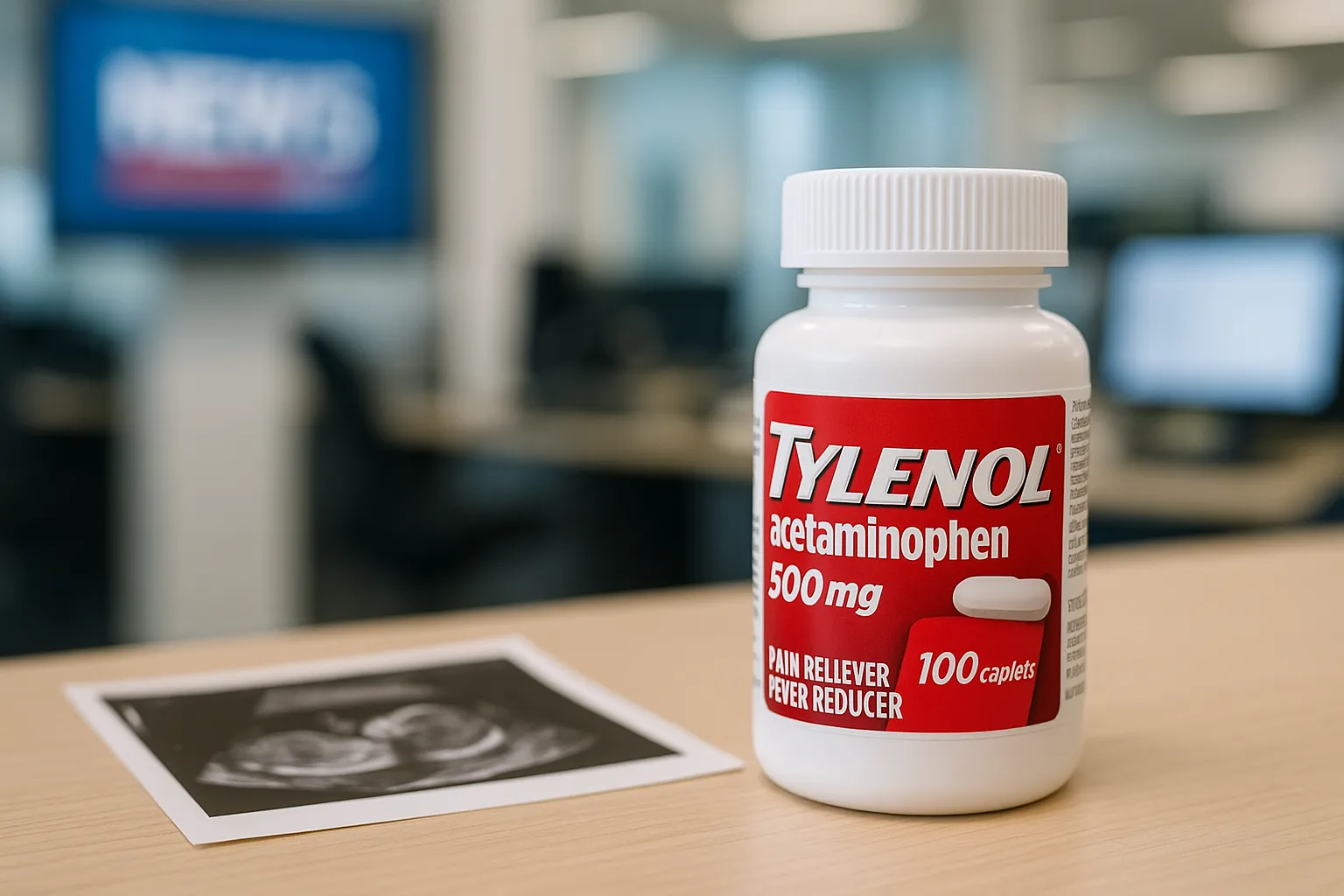
The UK Government has addressed growing concerns among families following misleading claims linking paracetamol, or Tylenol as it is known in the US, to autism when taken during pregnancy. This reassurance comes on the heels of statements made by former President Donald Trump, who indicated in September that an increase in autism diagnoses could potentially be associated with the use of paracetamol during gestation.
In a press briefing at the White House, Trump suggested that women expecting a child should endure pain rather than resort to pain relief medications like Tylenol. This assertion consequently raised alarms among parents and health professionals, prompting an immediate response from UK authorities.
Health Secretary Wes Streeting firmly dismissed Trump’s claims, advising pregnant individuals to disregard his harmful recommendations. Numerous advocates for autism awareness, as well as scientists and significant health organisations, have also publicly refuted these assertions.
Liberal Democrat MP Helen Morgan, representing North Shropshire, sought clarification from the Department of Health and Social Care on measures being undertaken to support families and individuals affected by autism who might have been swayed by this misinformation.
In response to the public’s anxiety, Health Minister Dr Zubir Ahmed reiterated the absence of any reliable evidence linking paracetamol use during pregnancy to the development of autism in children. He underscored that both the government and its health communications teams had actively sought to reassure the public through various platforms, including social media, aiming to quell unwarranted fears about the safety of paracetamol.
The Medicines and Healthcare products Regulatory Agency (MHRA) also weighed in on the situation, publishing a statement in September that reaffirmed the medication’s safety during pregnancy. They categorically rejected the notion that there exists significant scientific backing for the assertion of a connection between paracetamol and autism.
Dr Alison Cave, who serves as Chief Safety Officer at the MHRA, asserted, “Patient safety is our top priority. There is no evidence that taking paracetamol during pregnancy causes autism in children.” She emphasised that the medication continues to be the recommended choice for pain relief among expectant mothers when used appropriately. Pregnant women are advised to adhere to existing NHS recommendations and consult their healthcare providers regarding any medical concerns during pregnancy.
The duty to manage pain and fever effectively during pregnancy was further underlined, given that untreated conditions can present risks to the developing fetus. Dr Cave pointed out the importance of managing these symptoms with the recommended treatments while emphasising that the MHRA’s guidance is grounded on rigorous analyses of the best available scientific data.
Moreover, ongoing monitoring and evaluation of medicines, especially those prescribed during pregnancy, remain a pivotal function of the MHRA. The agency has urged individuals to report any suspected side effects through their Yellow Card scheme, as part of their commitment to patient safety.
Recent thorough and critical research has also reinforced the absence of a definitive link between paracetamol usage in pregnancy and the incidence of autism or ADHD in children. A comprehensive review published on November 10 analysed existing studies on this matter, ultimately concluding that the quality of these studies was notably low, with findings suggesting a link characterised by “low to critically low” levels of confidence.
This extensive review indicated that the current guidance advising women to take paracetamol for managing pain and fever during pregnancy should remain unchanged. The findings are likely to reassure a public, which may have been misled by fringe claims suggesting otherwise.
As misinformation continues to circulate, the reaffirmation from government health officials and scepticism towards unsubstantiated assertions play a critical role in maintaining public trust in established medical guidelines. Experts across various fields have united to stress the importance of evidence-based medicine in shaping health advice given to expectant mothers.
In this context, the rise of social media as a platform for spreading unfounded claims highlights an urgent need for accurate communication of health information, particularly during a time when expectant mothers seek reassurance and factual guidance regarding their pregnancies.
As parental anxiety surrounding autism persists, the importance of relying on scientifically proven information cannot be overstated. The NHS and various health authorities are continuously tasked with the responsibility of ensuring that the public receives accurate and clear advice, free from the influences of misinformation. Their commitment to public health safety remains paramount, especially in light of notable external pressures and claims that can lead to widespread confusion and fear.
Our Thoughts
The misinformation regarding paracetamol and autism represents a significant health communication failure. To avoid such scenarios, clearer and more proactive public health messaging is crucial. Key lessons include the need for swift and transparent communication from health authorities in response to widespread misinformation, as demonstrated by the Ministry of Health’s efforts post-incident.
Relevant UK regulations potentially breached include the Consumer Protection Act 1987, which mandates that businesses ensure safety in their products, and the Health and Safety at Work Act 1974, which requires a duty of care towards the public. In this case, the failure to address misinformation in a timely manner could lead to public health misunderstandings.
Prevention of similar incidents necessitates stronger collaboration between health organizations, social media platforms, and government bodies to effectively counter misinformation. Establishing protocols for rapid dissemination of accurate information and enhancing public education on medication safety during pregnancy can mitigate anxiety and ensure adherence to proven health guidelines.





Clear communication from health authorities is important. Current evidence does not support a link between paracetamol use in pregnancy and autism, and pregnant women should follow established medical advice and consult healthcare professionals if they have concerns.