

















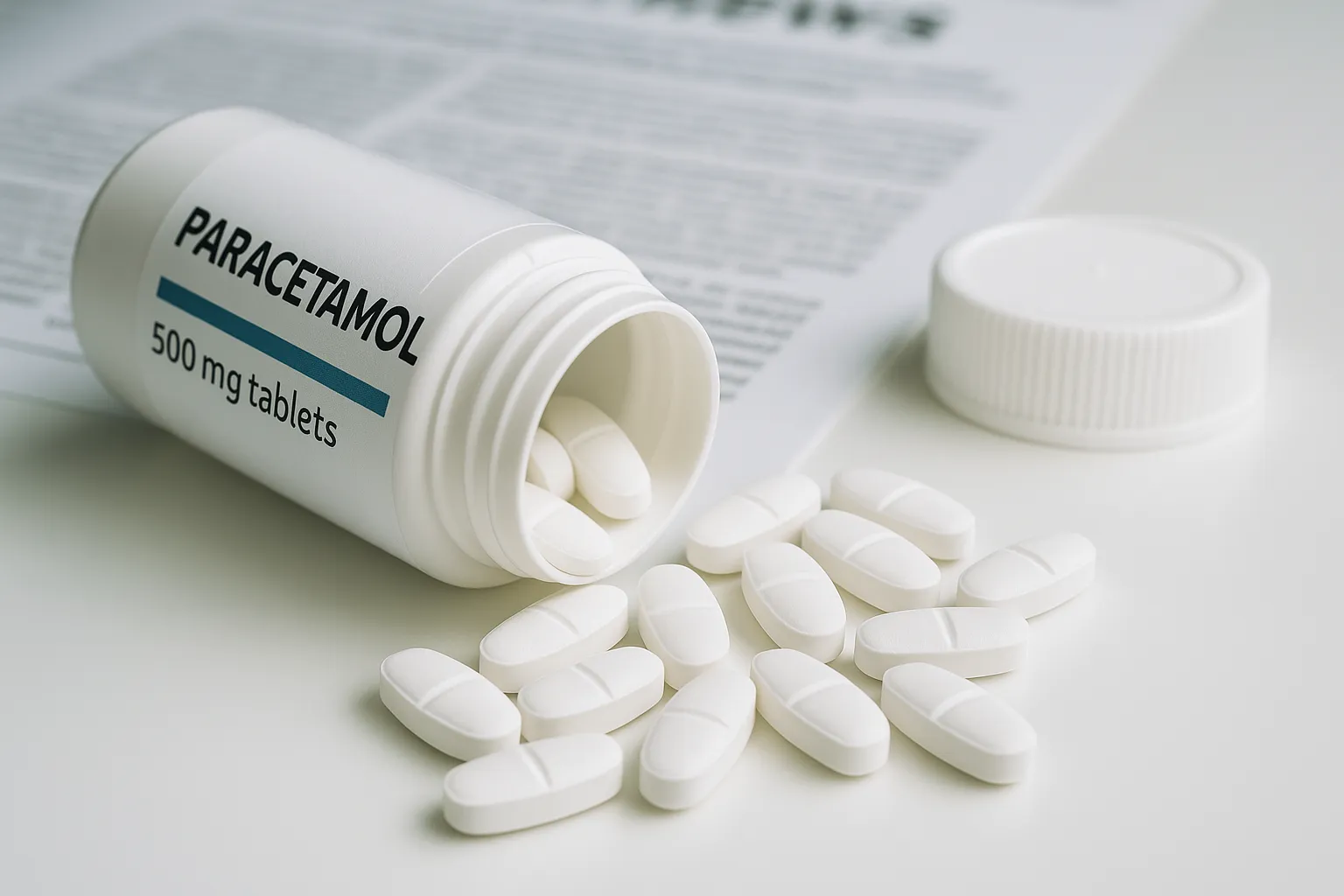
Story Highlight
– New paracetamol safety information released by UK Government.
– No link found between paracetamol and autism risks.
– Drug deemed safe for pain relief during pregnancy.
– MHRA continues to recommend paracetamol as first choice.
– Pregnant women advised to consult healthcare professionals.
Full Story
The UK Government has released updated safety guidance concerning paracetamol, following a recent formal evaluation of its effects, especially in relation to pregnant women. Paracetamol is widely recognised as the go-to pain relief medication in the UK, commonly utilised for a variety of conditions such as headaches, flu symptoms, fevers, and other minor health issues.
Concerns regarding the safety of this ubiquitous painkiller resurfaced after a statement made by former US President Donald Trump, who suggested a possible link between Tylenol—a brand of paracetamol in the US—and autism. In September, Trump remarked on what he described as a “meteoric rise” in autism diagnoses, attributing potential causative factors to Tylenol usage during pregnancy. His comments reached a wide audience, implying that expectant mothers ought to refrain from using the medication and “tough it out” in dealing with pain.
In response to these claims and heightened public concern, the UK’s Medicines and Healthcare Products Regulatory Agency (MHRA) has issued a statement based on a comprehensive review published in The Lancet Obstetrics, Gynaecology, & Women’s Health. This review critically assessed the relationship, if any, between paracetamol use during pregnancy and subsequent developmental disorders in children.
The findings of the review were clear: no significant evidence exists to suggest that taking paracetamol during pregnancy is associated with an increased risk of autism spectrum disorders, attention-deficit hyperactivity disorder (ADHD), or any form of intellectual disability in children. Following these results, the MHRA has affirmed that paracetamol remains a safe choice for managing pain and fever for pregnant individuals.
The agency stated, “Following publication of a new systematic review and meta-analysis in The Lancet Obstetrics, Gynaecology, & Women’s Health which found no evidence that paracetamol use during pregnancy increases the risk of autism spectrum disorder, ADHD or intellectual disability among children, the MHRA has reaffirmed that paracetamol continues to be the safest option for managing pain and fever during pregnancy.”
Dr Alison Cave, Chief Safety Officer at the MHRA, also commented on the matter: “Paracetamol remains safe to use during pregnancy. This large-scale analysis of the evidence found no link between taking paracetamol during pregnancy and autism, ADHD, or disability in children. Paracetamol has been used for many years and is the recommended first choice for treating pain or fever during pregnancy. When taken as directed, it is safe and effective.”
The reassurance from the MHRA is a crucial development for many expectant mothers who may have experienced fear regarding medication usage during this sensitive period of their lives. The historical prominence of paracetamol in the UK as a reliable pain reliever underlines the importance of clear guidance from health authorities.
Healthcare professionals emphasise that while paracetamol is deemed safe for use during pregnancy, it is always prudent for pregnant women to consult with their healthcare provider, be it a doctor, pharmacist, or midwife, if there are any uncertainties or questions regarding medication. This is particularly vital when dealing with any prescription during pregnancy, ensuring both the health of the mother and the developing child are prioritised.
The original concerns raised in the United States highlighted the necessity for ongoing scrutiny of the medications widely accepted in society. A rigorous review such as the one that the MHRA has conducted provides a structural basis to alleviate anxieties while promoting informed health choices.
Local healthcare providers and experts welcome the MHRA’s findings, suggesting that the clarification not only assists individuals in making informed decisions but also reinforces trust in established medication protocols. The continuing dialogue about the safety of commonly used medications during pregnancy is viewed as essential not only for forthcoming mothers but also for the wider health community.
The organisation’s guidance underscores the critical balance between addressing pain management needs and ensuring the safety of unborn children. Paracetamol’s long-standing history as a treatment option is evident, marked by its prevalence and the wealth of data supporting its safety profile when used correctly.
As the MHRA continues to update its recommendations based on the latest evidence, it signals a commitment to public health that prioritises both safety and efficacy. These developments come as part of an ongoing campaign to empower women with appropriate information necessary for making health-related decisions during pregnancy.
This reassessment of paracetamol accompanies broader discussions around prescription guidelines and the importance of transparent communication between healthcare providers and patients. The evolving landscape of medical advisories showcases the necessity for a collaborative approach in ensuring well-informed healthcare decisions.
In conclusion, this reaffirmation of paracetamol as a safe pain relief option during pregnancy marks an important continuity in medical advice, fostering confidence among pregnant women while enhancing understanding of medication use in sensitive health contexts. Observers now look forward to potential further studies that may expand on these findings and contribute additional insights into the safety and effectiveness of commonly used medications during pregnancy.
Our Thoughts
This article highlights the importance of clear, evidence-based communication regarding medication safety during pregnancy. To avoid misinformation like that propagated by public figures, stronger regulatory frameworks and proactive public health campaigns should be implemented. The Medicines and Healthcare Products Regulatory Agency (MHRA) should enhance its outreach and educational initiatives, especially during periods of heightened public concern.
The recent claim linking paracetamol to autism exemplifies the potential impact of misleading health information. Key safety lessons include the need for consistent messaging from health authorities and the potential consequences of public figures making unfounded claims about medication safety.
No specific UK health and safety regulations appear to have been breached in the context of the article, but the scenario underscores the importance of adherence to the principles of the Health and Safety at Work Act 1974, which mandates information, instruction, and training for safe practices.
To prevent similar incidents, ongoing vigilance and responsive communication strategies from health authorities are essential, coupled with a focus on educating the public on the use of medicines based on scientific evidence.