












Story Highlight
– UKHSA warns of health risks from rising tick populations.
– Ticks can transmit Lyme disease and other infections.
– Recommendations include repellents and wearing long clothing.
– Regularly check for ticks after outdoor activities.
– Early symptoms of Lyme disease include rash and fever.
Full Story
Britons are being urged to exercise vigilance when enjoying outdoor activities, particularly in rural areas, due to a significant health risk associated with ticks. The UK Health Security Agency (UKHSA) has published advice aimed at raising awareness about the dangers posed by these small, spider-like creatures that inhabit dense foliage and can latch onto both animals and humans as they navigate through overgrown terrains.
The rising tick population in various parts of the UK is linked primarily to an increase in deer numbers, which serve as hosts for these parasites. Ticks are known to transmit a range of diseases during their feeding, with Lyme disease being the most prevalent concern. A recent post on social media platform X by the UKHSA highlighted the necessity of preparation before venturing into natural environments, stating: “Planning a trip into the wilderness? Don’t forget the essentials… Good walking shoes? Plenty of water? Knowing which creepy-crawly to be aware of? That’s a tick too.”
In an accompanying infographic, the agency outlined critical safety measures for individuals planning countryside walks. Recommendations include the use of repellent specifically designed to deter ticks, wearing long-sleeved tops and trousers to limit skin exposure, sticking to well-marked trails to avoid brushing against potentially infested vegetation, and conducting regular checks for ticks on themselves and their companions.
Once indoors, it is essential to inspect for ticks on oneself, children, and pets. If any ticks are discovered, they should be removed safely and promptly.
Lyme disease, which is triggered by the bacteria Borrelia burgdorferi, is transmitted primarily through bites from infected ticks. However, it is important to note that not every tick carries the bacteria; research indicates that approximately 10% of ticks in the UK are infected. Early detection of Lyme disease can lead to timely treatment, significantly reducing the risk of severe complications.
The symptoms of Lyme disease can vary, but according to the NHS, one of the initial indicators is the appearance of a circular or oval-shaped rash near the site of a tick bite. This rash typically manifests within one to four weeks post-bite, yet it may surface up to three months later, often lasting for several weeks. Descriptions provided by the NHS note that the rash may appear flat or slightly raised, with pink, red, or purple hues observable against lighter skin. On darker skin tones, the rash can be less discernible and may resemble a bruise.
Additional symptoms associated with Lyme disease include:
– An elevated temperature,
– General feelings of fever,
– Headaches,
– Muscle and joint discomfort,
– Fatigue and decreased energy levels.
It is crucial to highlight that failure to seek treatment promptly can lead to more severe health issues. According to the Centres for Disease Control and Prevention, these complications may encompass severe headaches, neck stiffness, facial palsy—which is characterised by loss of muscle control on one or both sides of the face—and arthritis that manifests as considerable pain and swelling in larger joints such as the knees.
Other potential complications can include intermittent pain in muscles, tendons, and bones, heart irregularities known as Lyme carditis, episodes of dizziness or breathing difficulties, inflammation affecting the brain and spinal cord, and nerve-related issues such as sharp pains, numbness, or tingling sensations in the limbs.
For those confronted with the challenge of tick removal, the NHS recommends using fine-tipped tweezers or a dedicated tick-removal tool, available at many pharmacies, veterinary practices, and pet stores. The removal process should be carried out by grasping the tick as close to the skin as possible and pulling upward gently, avoiding any squeezing or crushing. Following removal, it is important to dispose of the tick properly and clean the bite area thoroughly using antiseptic or soap and water to prevent infection.
As outdoor enthusiasts prepare for the upcoming walking season, the UKHSA’s guidance serves as a timely reminder of the potential threats that could accompany such excursions. Experts suggest that heightened awareness and adherence to preventive measures can significantly mitigate the risks associated with ticks, ensuring that outdoor activities remain safe and enjoyable.
With public interest in hiking and exploring rural landscapes on the rise, particularly among families and nature lovers, the message from health authorities is clear: vigilance is key. As one expert remarked, “Awareness of tick-borne illnesses and how to prevent them can empower individuals to enjoy the great outdoors while taking necessary precautions.”
In conclusion, while the allure of the countryside remains strong, it is essential for adventurers to arm themselves with knowledge and practical safety measures to navigate these environments responsibly. This not only ensures their well-being but also that of their families and pets, allowing for a worry-free enjoyment of the natural beauty that the UK offers.
Our Thoughts
To avoid tick-related health threats, greater emphasis should be placed on risk assessment and public awareness campaigns in accordance with the Health and Safety at Work etc. Act 1974, which requires employers to ensure the health and safety of employees and the public. Specifically, outdoor activity providers should provide clear guidelines and training on how to mitigate tick bites, including the use of repellents and appropriate clothing.
Key safety lessons include the importance of education on potential hazards in outdoor environments and proactive measures to prevent tick bites. The Control of Substances Hazardous to Health Regulations (COSHH) could be applied here, particularly regarding the management of biological agents like ticks.
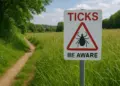
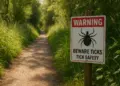
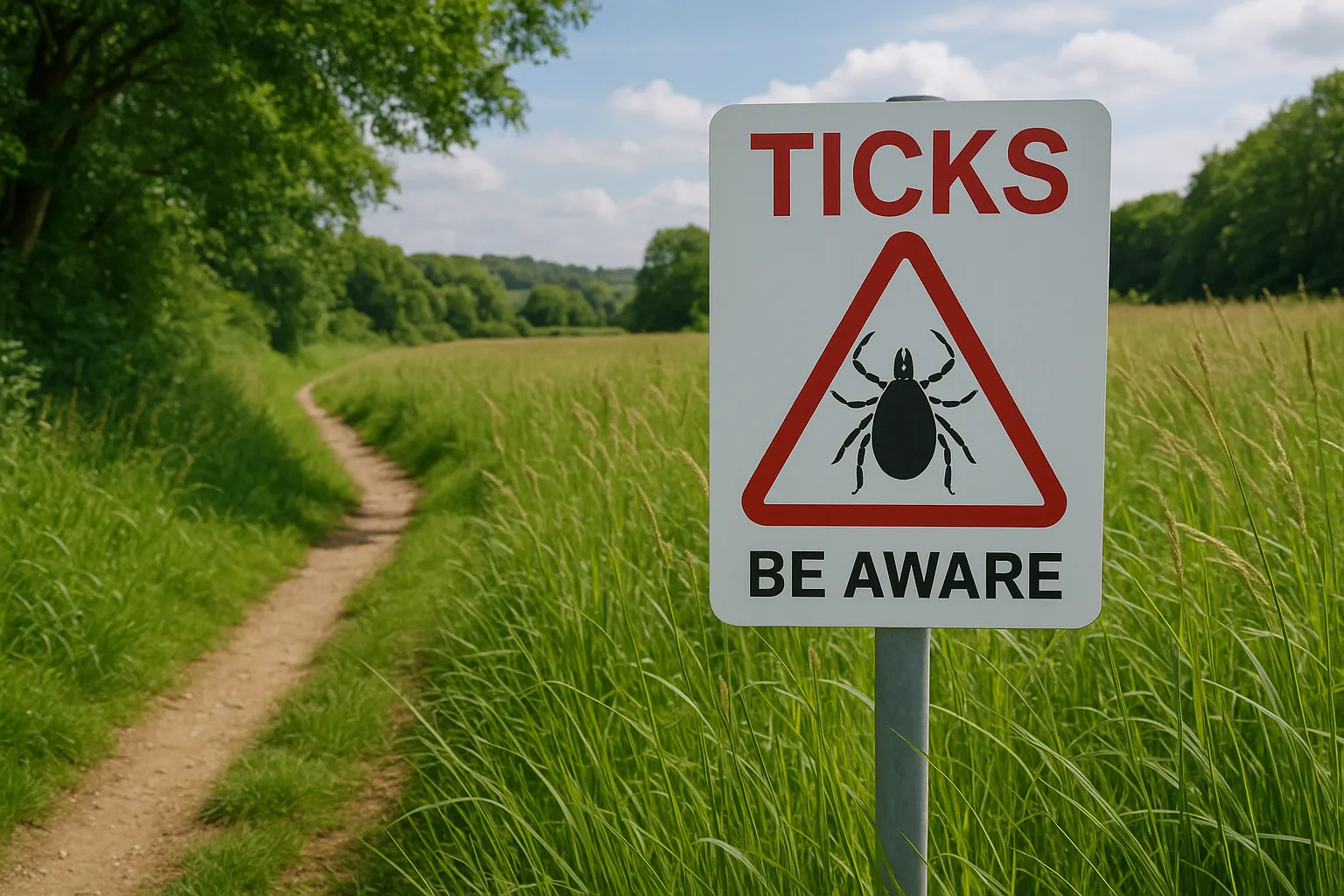
Incidents can be prevented by enhancing signage in high-risk areas, promoting regular checks for ticks during and after outdoor activities, and ensuring access to tick removal resources. Collaboration with local councils to maintain and manage overgrown areas could also reduce tick populations. Increased public health messaging can aid individuals in recognizing symptoms early, contributing to timely medical intervention for Lyme disease.