














Story Highlight
– Dead birds in Doncaster confirmed with avian influenza.
– Council collaborates with Defra and APHA for control.
– Low risk to human health; avoid sick birds.
– Public urged to report sightings of dead birds.
– National housing order for poultry issued due to outbreak.
Full Story
Health and safety protocols are now being established following the discovery of dead birds at a popular lake in South Yorkshire, raising concerns over avian influenza. The City of Doncaster Council has reported that officials from the Department for Environment, Food and Rural Affairs (Defra) confirmed the presence of the virus among the afflicted avian population at Doncaster Lakeside.
In response to the confirmed cases, the local authority is collaborating closely with Defra and the Animal and Plant Health Agency (APHA) in efforts to mitigate the risk of the disease spreading further. Although the UK Health Security Agency has stated that the threat to human health is currently low, it has issued guidance advising the public to refrain from touching or handling any dead birds or those that appear unwell. Additionally, people are urged to avoid areas with bird droppings, particularly around parks and lakesides.
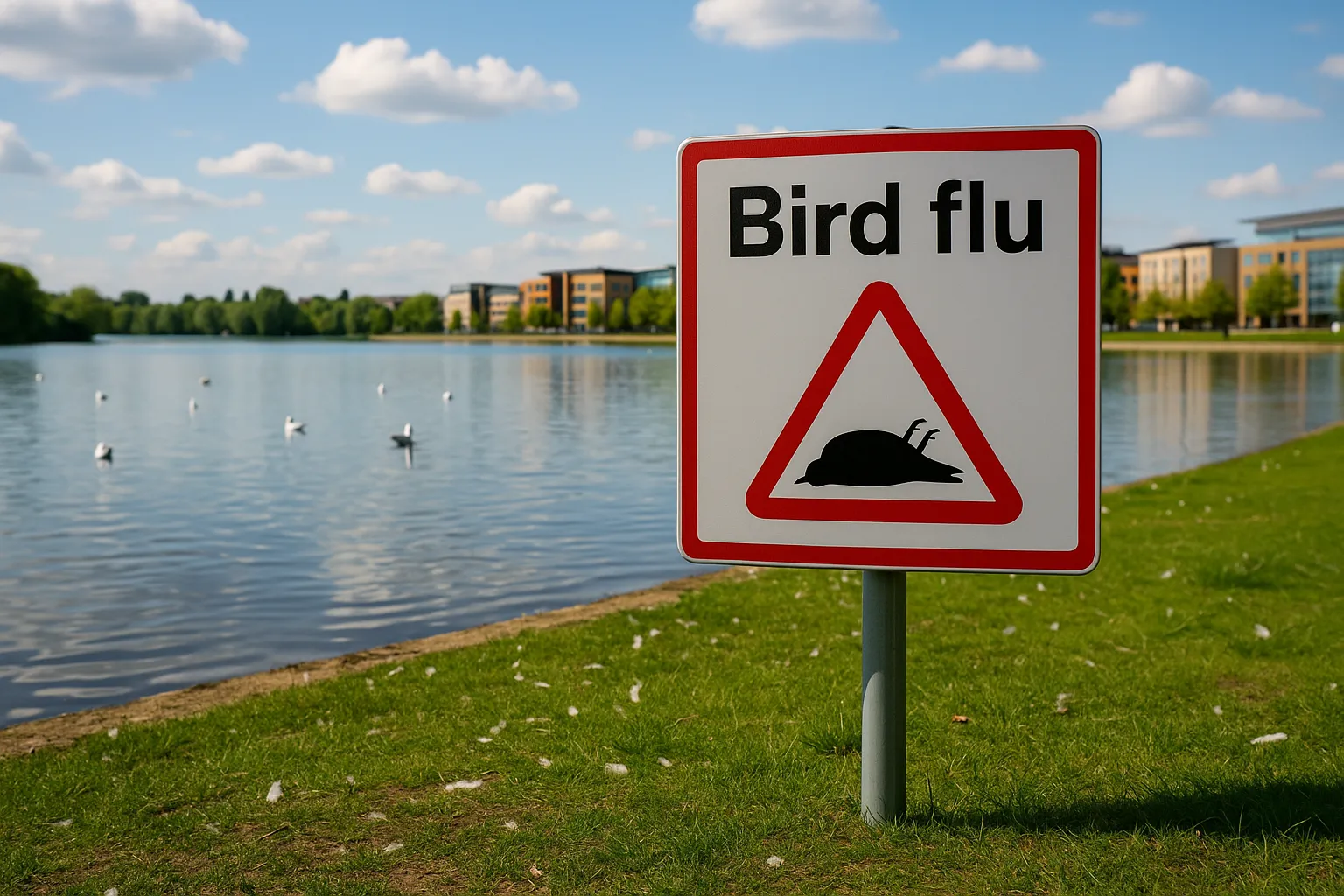
A spokesperson from the City of Doncaster Council reassured residents, stating, “Rest assured that we are working with Defra and APHA to control the spread of the disease and put the relevant health and safety measures in place across the city.” They further noted that notifications would be sent to individuals and organisations involved in the care of birds, along with the installation of warning signs in strategic locations throughout the area to inform the public of the situation.
The council has appealed to the community to report any sightings of dead birds, which are vital in monitoring and controlling this recent outbreak. Earlier in the month, instances of bird flu were identified in commercial poultry holdings close to Thorne, a neighbouring area within Doncaster.
As part of precautionary measures, a national mandatory housing order for poultry and other captive birds was implemented in England at the beginning of the month. This decision was made in light of a troubling rise in avian influenza cases across the country, further underscoring the need for enhanced biosecurity measures.
This recent development highlights the ongoing challenges posed by avian influenza, a disease that has previously impacted poultry farms and wild bird populations around the UK and beyond. The outbreak at Doncaster Lakeside serves as a reminder of the delicate balance between human activity and wildlife health, prompting experts and authorities to act swiftly in order to safeguard both animal and public health.
In the wake of these events, experts have advised that birdwatchers and local residents should remain vigilant and adhere to the advice provided by health authorities. Avoiding direct interaction with wildlife, especially those that exhibit signs of illness, is crucial to preventing the possible transmission of avian influenza.
Local birdwatching groups have expressed their concerns regarding the situation. They urge fellow enthusiasts to take necessary precautions while enjoying the natural beauty of wildlife in the area. One such member stated, “It’s essential for birdwatchers to respect the wildlife and observe from a distance. Our safety and the wellbeing of the birds should be our priority.”
Historically, instances of bird flu have prompted responses not only in the UK but globally, where outbreaks have affected both wild and domesticated birds. The disease can have varying impacts on different species; while some strains pose minimal threats to avian health, others can lead to significant mortality rates within bird populations.
Public awareness and education play a substantial role in managing the risks posed by such outbreaks. Campaigns aimed at informing communities about protective measures and responsible behaviour around wildlife are essential components of any response plan. Engaging with local schools and community groups may further enhance understanding and compliance with health and safety initiatives.
In light of the current situation, the City of Doncaster Council is expected to intensify its efforts in partnership with relevant authorities to ensure that appropriate measures remain in place. Strategies will likely include public awareness campaigns to educate residents further on the risks associated with avian influenza and how to responsibly interact with their environment.
The importance of cooperative action between local authorities, health agencies, and communities has never been clearer. Continued vigilance, informed responses, and adherence to guidance issued by health officials are paramount in managing the spread of avian influenza, safeguarding public health, and protecting wildlife populations.
As developments unfold, residents of Doncaster and surrounding areas are encouraged to stay updated on the measures being implemented. They can access further information through official channels including City of Doncaster Council announcements and the UK Health Security Agency guidelines.
This outbreak not only impacts the immediate area but also carries potential implications for agriculture and local economies reliant on poultry production. Increased biosecurity measures, monitoring of avian populations, and public education efforts are pivotal as the community collectively navigates this public health challenge. As always, timely reporting and response will significantly impact the trajectory of any outbreak, shaping the future of avian health in the region.
Our Thoughts
To prevent the spread of bird flu in South Yorkshire, several proactive measures could have been implemented. Firstly, the City of Doncaster Council could have established a comprehensive public awareness campaign prior to the detection of avian influenza. This campaign should have included educational resources regarding the risks associated with dead or sick birds and guidelines for reporting them. Implementing signage in multiple languages and at various access points to the lake would also help raise awareness.
Relevant regulations breached include the Animal Health Act 1981, which mandates that local authorities take necessary actions to control animal diseases and protect public health. Moreover, the Health and Safety at Work Act 1974 emphasizes the need for adequate communication and risk assessment concerning potential health hazards.
Key safety lessons include the importance of early intervention and community engagement in disease management. To prevent similar incidents, regular monitoring of wildlife health, public educational initiatives, and swift response protocols should be established, along with collaboration across relevant agencies such as Defra, APHA, and local health authorities.