















Story Highlight
– Dead birds tested positive for bird flu in Doncaster.
– Council collaborates with Defra and APHA for control.
– Public advised to avoid dead or sick birds.
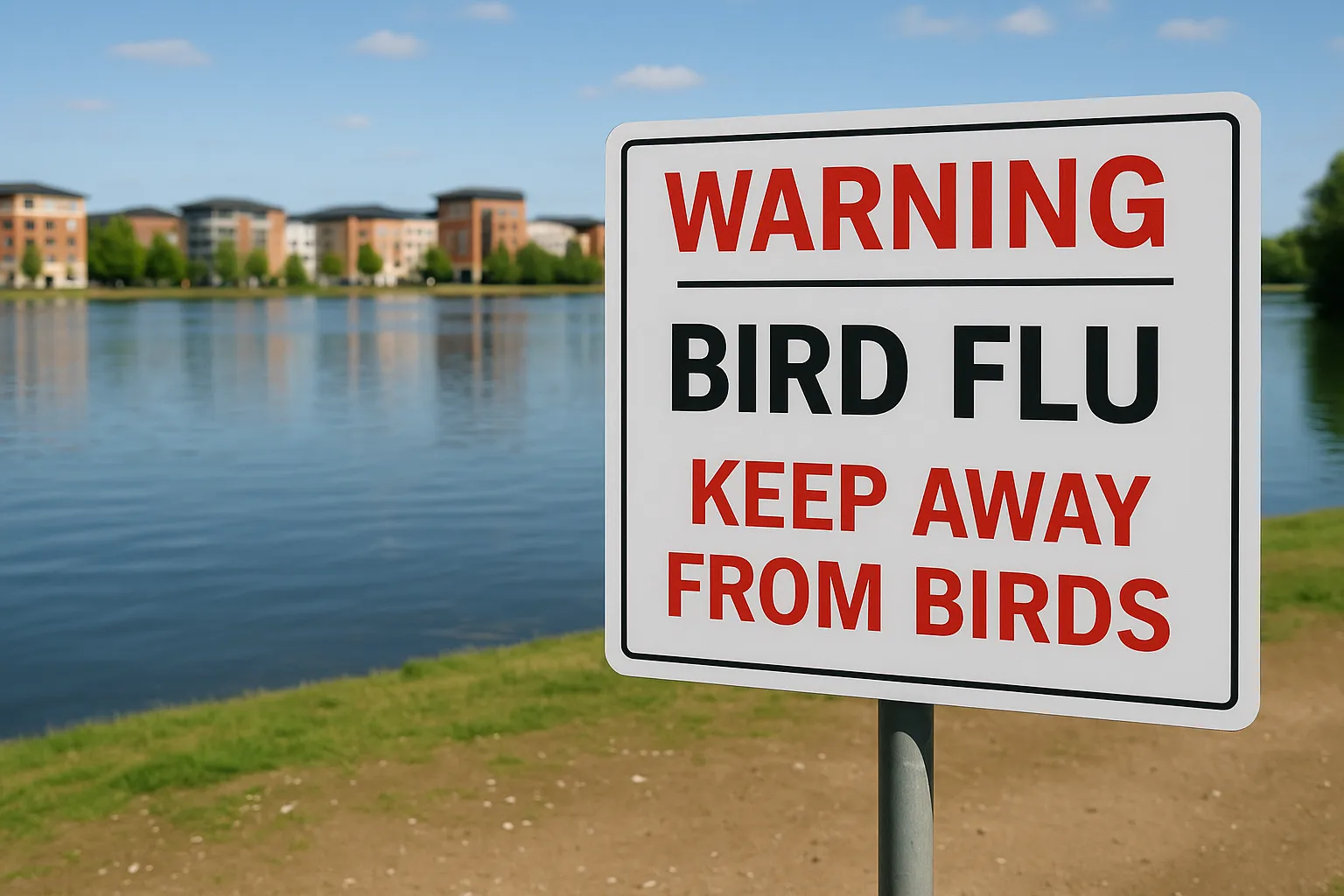
– Signs to be posted warning of health risks.
– Mandatory housing order for poultry implemented in England.
Full Story
Health and safety protocols are being implemented following the discovery of avian influenza in dead birds at a lake in South Yorkshire. The City of Doncaster Council has confirmed that the Department for Environment, Food and Rural Affairs (Defra) has identified the presence of bird flu in specimens found at Doncaster Lakeside.
The local authority is collaborating closely with Defra and the Animal and Plant Health Agency (APHA) to mitigate the risk of the virus spreading. Although the UK Health Security Agency has stated that the threat to human health remains low, it has strongly advised the public against touching or handling any dead or visibly ill birds, as well as suggesting avoidance of bird droppings in public spaces such as parks and lakeside areas.
A spokesperson from the council reassured residents: “Rest assured that we are working with Defra and APHA to control the spread of the disease and put the relevant health and safety measures in place across the city. We are also working with individuals and organisations known to us that keep birds and we are placing signs in key areas to warn the public.”
Reports of dead birds should be communicated to the council, allowing for a swift and coordinated response to manage the situation. Earlier in the month, cases of bird flu were confirmed in commercial poultry located near Thorne in Doncaster, prompting immediate action.
To further enhance biosecurity across the region, a national mandatory housing order for poultry and other captive birds was introduced in England. This measure comes in response to a notable rise in bird flu cases, underscoring the ongoing challenges faced by the agriculture and food sectors.
The emergence of these cases has raised concerns among local farmers and bird owners, as they must navigate the implications of the virus for both animal welfare and economic stability. Experts have warned that the current outbreak could potentially escalate, which may lead to more rigorous preventative measures being enforced.
Local agriculture stakeholders and poultry farmers in the area are being urged to remain vigilant. This includes reporting any unusual symptoms in their birds to the relevant authorities and adhering to biosecurity protocols designed to prevent the spread of avian influenza.
The council has committed to keeping the public informed about any developments related to the situation, emphasizing the importance of community awareness. Councillors have noted that instances of bird flu should not only be viewed through the lens of public health but also as a significant agricultural issue that could have ripple effects throughout the local economy.
In addition to bird owners and farmers, wildlife enthusiasts and the general public are urged to stay attentive. Signs indicating bird flu risk will be positioned in affected areas to increase public awareness. Community cooperation is essential in reporting dead birds promptly, which aids health officials in managing and monitoring the situation.
The re-emergence of avian influenza has irked both local authorities and health experts, who are well aware of the potential consequences of such outbreaks. Following the continuity of bird flu cases across the UK, many local councils have started revising their response plans to be better equipped for similar situations in the future.
This incident in Doncaster follows a series of powerful movements within the country’s avian health management framework. The government’s proactive measures reflect a broader understanding of the potential threats posed by zoonotic diseases, which can cross from wildlife to domestic animals and sometimes humans.
As concerns mount about the stability of both wildlife populations and poultry health, experts continue to monitor the virus’s development closely. Recent studies suggest that the threat of avian influenza is not yet contained, adding to the urgency of maintaining strict biosecurity practices.
Furthermore, evolving conditions in the UK and potential variations of the virus may require farmers and bird keepers to adapt rapidly. This setting brings to light the critical need for cross-sector communication between health bodies, agricultural departments, and the public to manage the dissemination of information effectively.
In light of these recent events, there is an opportunity for educational outreach, where councils and health agencies can engage with communities to foster a better understanding of bird flu and its impacts. This could empower residents to act responsibly while supporting local wildlife safety.
In summary, the recent detection of avian influenza in dead birds at Doncaster Lakeside serves as a stark reminder of the importance of diligent health and safety measures in our communities. As the local authority works in collaboration with national health agencies, the emphasis remains on transparency and public cooperation to safeguard both animal and human health.
Our Thoughts
To prevent the occurrence of avian influenza incidents as seen in Doncaster Lakeside, key safety measures should be reinforced. The introduction of public signage advising against touching dead birds aligns with the Health and Safety at Work Act 1974, which mandates the protection of public health. However, more proactive measures could include regular monitoring and rapid reporting systems for wildlife health, thereby enabling quicker responses to potential outbreaks.
Additionally, the Control of Substances Hazardous to Health Regulations (COSHH) should be applied to assess and manage risks associated with handling contaminated wildlife. Public education campaigns about the risks of bird flu should be enhanced to reinforce safety practices among the community.
To further mitigate similar incidents, local councils should establish robust communication lines with wildlife and health agencies, ensuring alignment with national regulations concerning animal health surveillance and management, like the Animal Health Act 1981. Continuously updating local stakeholders on bird flu developments can enhance preparedness and prompt action, ensuring both human and avian health in the community.