















Choose an AI chat
NHS Wales faces £1bn backlog in building repairs amid election promises
UK Health and Safety Latest

NHS Wales faces £1bn backlog in building repairs amid election promises

by Ellie Cartwright
April 2, 2026
0

NHS Wales faces a critical maintenance backlog nearing £1 billion, reflecting a 71% increase over the last four years. Twelve...

Read moreDetails
Health officials warn Britons about rising tick threat in countryside rambles

Health officials warn Britons about rising tick threat in countryside rambles

April 2, 2026
Parents warned to dispose of toys after asbestos found

Parents warned to dispose of toys after asbestos found

April 2, 2026
Cheshire glass factory workers plan further strike action over job cuts

Cheshire glass factory workers plan further strike action over job cuts

April 1, 2026
Cheshire glass factory workers set to escalate strike action over job cuts

Cheshire glass factory workers set to escalate strike action over job cuts

April 1, 2026
  • About
  • Advertise
  • Policies
    • Privacy Policy
    • Editorial Policy
    • Corrections & Complaints policy
  • Useful Documents
    • Understanding RIDDOR
    • 10 Workplace Safety Failures
    • A Complete Guide to Reporting Safety Incidents in the UK
    • Fire Risk Assessment: Meeting the Regulatory Reform (Fire Safety) Order
    • COSHH Basics: A Practical Guide to Control of Substances Hazardous to Health
    • Working at Height in the UK: The Essentials (WAH Regulations 2005)
    • Asbestos in the Workplace: Control of Asbestos Regulations 2012 (CAR) Essentials
    • Managing Contractors Under CDM 2015: Roles, Duties & Controls
    • DSE & Ergonomics: Healthy Workstations for Office & Hybrid Teams
    • Lock out Tag out LOTO
    • Workplace Transport Safety: Forklifts, Pedestrians & Traffic Management
    • Noise & Vibration at Work: Practical Controls (2005 Regulations)
    • Confined Spaces in the UK: Safe Entry under the Confined Spaces Regulations 1997
  • Contact
  • Agent
Friday, April 3, 2026
  • Login
UK Safety News
  • Home
  • News
    • All
    • UK Health and Safety Latest
    Rising violence against emergency workers raises alarms in Kent

    Rising violence against emergency workers raises alarms in Kent

    NHS Wales faces £1bn backlog in building repairs amid election promises

    NHS Wales faces £1bn backlog in building repairs amid election promises

    Health officials warn Britons about rising tick threat in countryside rambles

    Health officials warn Britons about rising tick threat in countryside rambles

    Parents warned to dispose of toys after asbestos found

    Parents warned to dispose of toys after asbestos found

    Cheshire glass factory workers plan further strike action over job cuts

    Cheshire glass factory workers plan further strike action over job cuts

    Cheshire glass factory workers set to escalate strike action over job cuts

    Cheshire glass factory workers set to escalate strike action over job cuts

    Tragic turn for trio on Snowdonia summit attempt

    Tragic turn for trio on Snowdonia summit attempt

    Learning disability health risks highlight urgent need for better care

    Learning disability health risks highlight urgent need for better care

    Parents urged to dispose of kids' toys over asbestos fears

    Parents urged to dispose of kids’ toys over asbestos fears

    Three men jailed for £60,000 construction exam cheating scheme

    Three men jailed for £60,000 construction exam cheating scheme

    Trending Tags

    • Donald Trump
    • Future of News
    • Climate Change
    • Market Stories
    • Election Results
    • Flat Earth
No Result
View All Result
UK Safety News
No Result
View All Result
Home News UK Health and Safety Latest

Health officials warn Britons about rising tick threat in countryside rambles

Tara Rowden by Tara Rowden
April 2, 2026
in UK Health and Safety Latest
Reading Time: 4 mins read
0
Health officials warn Britons about rising tick threat in countryside rambles

Story Highlight

– UKHSA warns about rising tick threat in countryside.
– Ticks can transmit Lyme disease to humans.
– Use tick repellent and wear protective clothing.
– Regularly check for ticks after outdoor activities.
– Early Lyme disease symptoms include rash and fatigue.

Full Story

### Caution Urged for Countryside Walkers Amid Tick Health Warning

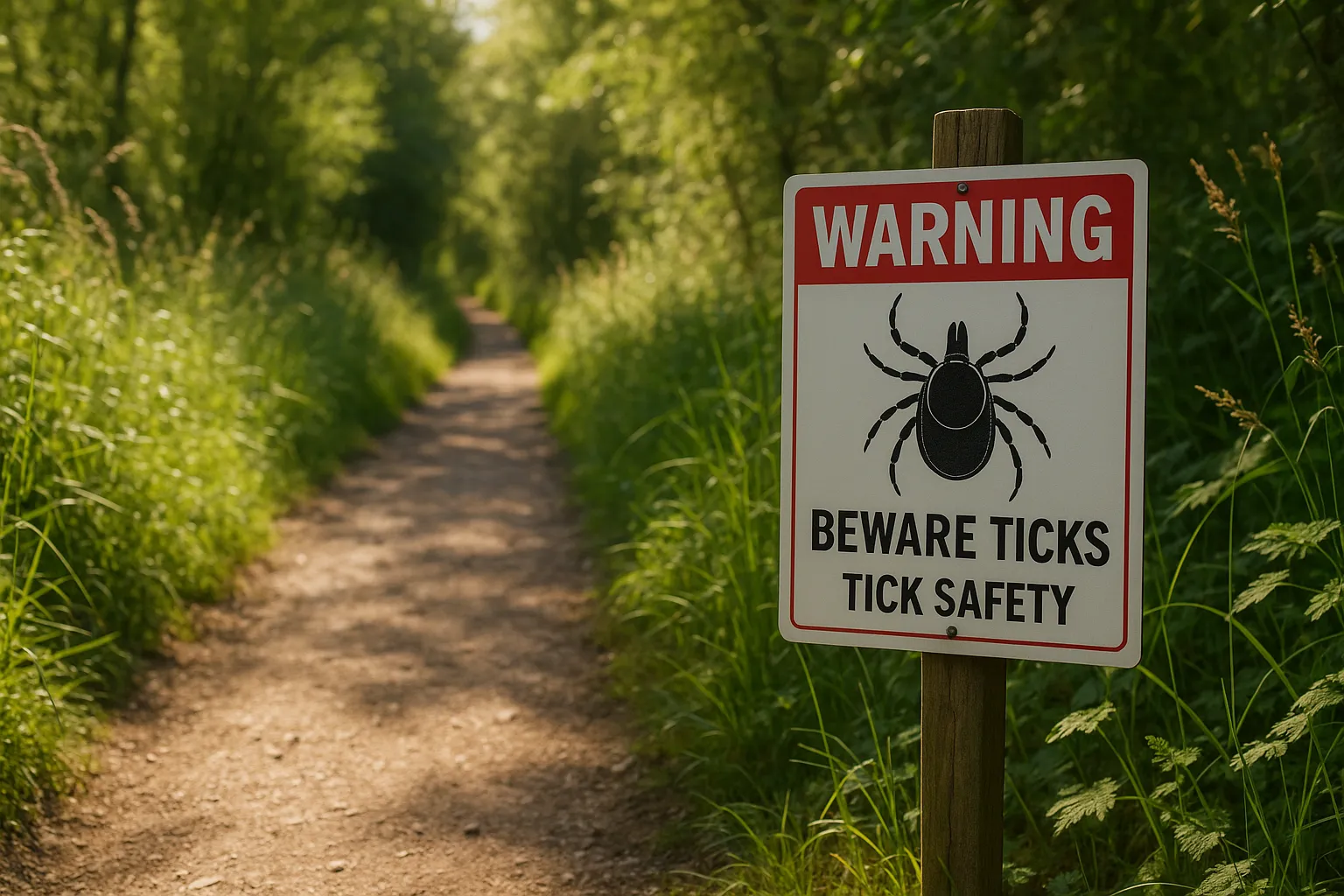
Outdoor enthusiasts in Britain are being urged to exercise increased caution when venturing into the countryside, following alerts about a significant health risk posed by ticks. The UK Health Security Agency (UKHSA) has released important guidance aimed at helping the public protect themselves against these small, arachnid creatures that can latch onto both wildlife and humans in overgrown areas.

Ticks, predominantly found in lengthy vegetation, have seen a rise in their populations in certain parts of the UK. The increase is believed to be linked primarily to the growing number of deer, which serve as hosts for these arachnids. As they feed, ticks are capable of transmitting various infections and viruses, with Lyme disease emerging as the most prominent concern among health professionals.

In a recent post on social media platform X, the UKHSA reminded individuals planning outdoor excursions to be prepared by highlighting key safety measures. “Planning a trip into the wilderness? Don’t forget the essentials… Good walking shoes? Plenty of water? Knowing which creepy-crawly to be aware of? That’s a tick too,” the agency stated.

The accompanying infographic provided by the UKHSA laid out comprehensive steps for tick prevention, including:

1. **Utilising Repellent**: Choose a tick repellent that effectively wards off these insects.
2. **Dressing Appropriately**: Wear long sleeves and trousers to limit bare skin exposure.
3. **Staying on Paths**: Stick to marked trails and avoid brushing against dense vegetation.
4. **Regular Checks**: Frequently inspect yourself for ticks, removing any found immediately.
5. **Post-Outdoor Inspection**: Upon returning indoors, examine yourself, your children, and pets for any ticks.
6. **Safe Removal**: If a tick is discovered, it is crucial to remove it promptly and safely.

### Understanding Lyme Disease

Lyme disease, an illness caused by the bacterium *Borrelia burgdorferi*, is primarily transmitted to humans through bites from infected ticks. It is important to note that not all ticks carry this bacterium; estimates suggest that approximately 10% of ticks in the UK are infected with the germ responsible for this disease.

Early identification of Lyme disease is vital for receiving prompt treatment. The National Health Service (NHS) notes that one of the earliest signs could be a circular or oval-shaped rash surrounding the bite site. This rash typically appears within one to four weeks but may also manifest up to three months post-bite and can last several weeks.

The NHS describes the rash as possibly being flat or raised, featuring a pink, red, or purple hue when it appears on lighter skin. However, it may be more challenging to identify the rash on darker skin tones, where it can resemble a bruise.

Other symptoms associated with Lyme disease may include:

– Elevated body temperature
– Episodes of chills and heat
– Headache
– Muscle and joint discomfort
– General fatigue

In some cases, untreated Lyme disease can lead to severe complications. The Centres for Disease Control and Prevention (CDC) notes that potential serious health issues might arise, including:

– Intense headaches and stiffness in the neck
– Facial paralysis, resulting in uneven facial features
– Arthritis manifested by severe joint pain and swelling, especially in the knees and other large joints
– Intermittent pain impacting tendons, muscles, and bones
– Cardiac issues, such as palpitations or arrhythmia (known as Lyme carditis)
– Episodes of dizziness or breathlessness
– Inflammation affecting the brain and spinal cord
– Nerve-related symptoms, including shooting pains, numbness, or tingling sensations, particularly in the extremities

### Guidelines for Safe Tick Removal

The NHS offers clear guidance on how to safely remove a tick, which is essential for minimising health risks. These steps include:

– **Use Appropriate Tools**: Utilise fine-tipped tweezers or a tick-removal tool, available at pharmacies, veterinary clinics, and pet supply stores.
– **Grasp the Tick Properly**: Approach the tick as close to the skin’s surface as possible.
– **Pull Gently**: Slowly and steadily pull upwards without squeezing or crushing the tick.
– **Dispose of the Tick**: Safely discard the removed tick.
– **Clean the Bite Area**: Use antiseptic or wash the area with soap and water afterward.

As individuals take to the outdoors during the warmer months, adherence to these guidelines is essential for ensuring safety while enjoying nature’s offerings. With an uptick in tick sightings across several regions in the UK, public awareness and education are crucial in preventing the potential health threats these pests pose.

Remaining vigilant and well-prepared can help ensure that outdoor activities remain a positive and healthy experience for all.

Our Thoughts

To mitigate the health risks associated with tick bites and the potential spread of Lyme disease, several preventative measures could be improved. Emphasizing public education through enhanced awareness campaigns could ensure that more individuals are informed about the risks of ticks and the steps necessary for protection. Regularly updated guidance from health authorities could reinforce the message, promoting the use of repellents and appropriate clothing.

The lack of widespread compliance with risk assessments under the Management of Health and Safety at Work Regulations 1999 may contribute to inadequate protective measures in outdoor activities. Ensuring all outdoor venue operators conduct comprehensive risk assessments regarding tick exposure could aid in identifying hazards and implementing appropriate controls.

Additionally, the Health and Safety at Work Act 1974 mandates that employers take reasonable steps to ensure the safety of employees in outdoor work settings. This may include training for staff on tick awareness and removal procedures.

Overall, increasing vigilance and following established safety protocols could significantly reduce the incidence of Lyme disease and related illnesses, protecting public health in the countryside.


SummarizeShare34Share196SendSend
ADVERTISEMENT
Tara Rowden

Tara Rowden

Related Posts

Union calls for ban on artificial football pitches over cancer fears

Union calls for ban on artificial football pitches over cancer fears

by Tara Rowden
March 4, 2026
0

A leading teachers' union, NASUWT, has called for an immediate ban on artificial football pitches using rubber crumb infill, citing...

Government reassures parents over claims linking paracetamol to autism

Government reassures parents over claims linking paracetamol to autism

by Jade Anderson
November 18, 2025
1

Concerns have been raised following former President Donald Trump's claims linking paracetamol to rising autism rates among children. However, UK...

Leave a Reply Cancel reply

Your email address will not be published. Required fields are marked *

I agree to the Terms & Conditions and Privacy Policy.

Useful Documents

  • Understanding RIDDOR
  • 10 Workplace Safety Failures
  • A Complete Guide to Reporting Safety Incidents in the UK
  • Understanding RIDDOR
  • Fire Risk Assessment: Meeting the Regulatory Reform (Fire Safety) Order
  • COSHH Basics: A Practical Guide to Control of Substances Hazardous to Health
  • Working at Height in the UK: The Essentials (WAH Regulations 2005)
  • Lock out Tag out LOTO
ADVERTISEMENT
Cheshire glass factory workers set to escalate strike action over job cuts
UK Health and Safety Latest

Cheshire glass factory workers set to escalate strike action over job cuts

by Ellie Cartwright
April 1, 2026
0

Workers at Encirc's glass factory in Cheshire are set to escalate their strike action, with walkouts planned from April 16...

Read moreDetails
Tragic turn for trio on Snowdonia summit attempt

Tragic turn for trio on Snowdonia summit attempt

April 1, 2026
Learning disability health risks highlight urgent need for better care

Learning disability health risks highlight urgent need for better care

April 1, 2026
Parents urged to dispose of kids' toys over asbestos fears

Parents urged to dispose of kids’ toys over asbestos fears

April 1, 2026
UK Safety News

Copyright © 2025
UK Safety News

Navigate Site

  • About
  • Advertise
  • Policies
  • Useful Documents
  • Contact
  • Agent

Follow Us

Welcome Back!

Login to your account below

Forgotten Password?

Retrieve your password

Please enter your username or email address to reset your password.

Log In
No Result
View All Result
  • Home
  • News

Copyright © 2025
UK Safety News

This website uses cookies. By continuing to use this website you are giving consent to cookies being used. Visit our Privacy and Cookie Policy.