















Story Highlight
– Individuals with learning disabilities face significant health inequalities.
– Higher rates of avoidable deaths due to healthcare access issues.
– Epilepsy significantly affects those with learning disabilities, often poorly managed.
– Constipation and diabetes prevalent; require better healthcare strategies.
– Dementia risks increase, particularly for individuals with Down’s syndrome.
Full Story
Individuals with learning disabilities often confront significant disparities in both their physical and mental health when compared to the wider population. This demographic frequently experiences a range of complex health issues influenced by genetic factors and lifestyle choices, leading to unequal access to healthcare services. Studies indicate that individuals with learning disabilities are three to four times more likely to succumb to preventable medical causes compared to their peers, primarily due to delays in receiving timely and effective medical care. This stark reality underscores the necessity for annual health checks and personalised health action plans, which can help identify medical challenges early and prevent the exacerbation of existing health conditions.
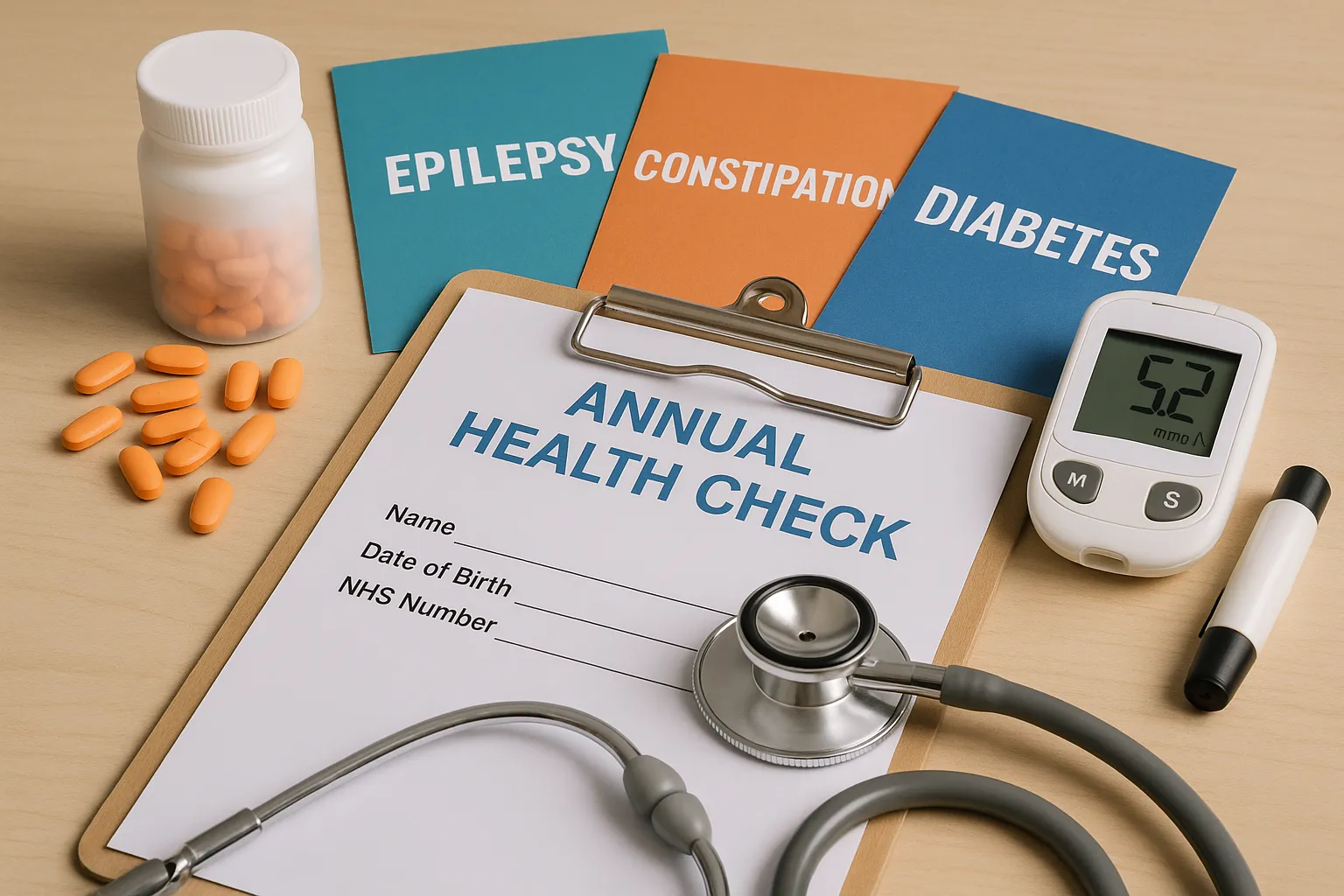
A few critical health issues that require heightened attention from healthcare professionals for this community include epilepsy, constipation, diabetes, dementia, and dysphagia.
**Epilepsy and Its Complications**
Epilepsy ranks among the most prevalent severe neurological disorders, with approximately 626,000 diagnosed individuals in the UK. An estimated one-fifth of people with a learning disability will be diagnosed with epilepsy during their lives. The management of epilepsy becomes intricate within this population, as many individuals often do not receive consistent care due to a lack of regular medical reviews and the existence of accompanying health conditions, such as high cholesterol and diabetes. Consequently, the risk of adverse drug reactions and complications from polypharmacy is higher.
The Learning Disabilities Mortality Review (LeDeR) has identified epilepsy-related fatalities as a considerable area of concern, citing it as the second most frequently reported preventable cause of death. Disturbingly, it’s estimated that around half of all epilepsy-related deaths are due to sudden unexpected death in epilepsy (SUDEP), with many of these tragedies being preventable. The National Institute for Health and Care Excellence (NICE) recommends that every patient with epilepsy should have a tailored care plan that addresses their health and treatment needs while implementing risk reduction strategies.
**Constipation: An Overlooked Health Concern**
Constipation is another prevalent issue often experienced by those with learning disabilities, with studies suggesting its prevalence varies widely from 33% to nearly 60% among individuals with profound and multiple learning disabilities (PMLD). Individuals who struggle to articulate their symptoms may face delays in diagnosis, leading to emergency hospital admissions. The LeDeR report revealed that constipation was a long-term health issue in 23% of recorded deaths. Awareness of the risks associated with constipation and effective management strategies are essential for caregivers and healthcare professionals alike.
Challenges in identifying constipation can result in a misdiagnosis, where symptoms may be attributed to behavioural issues rather than a medical condition. To combat this, NHS England has developed a toolkit to aid individuals with learning disabilities, as well as healthcare providers, in recognising and managing severe constipation, which can potentially be life-threatening.
**Diabetes Management in Vulnerable Populations**
Individuals with learning disabilities are also at a heightened risk for diabetes, often developing related health concerns much earlier in life. Research suggests that the prevalence of diabetes among those with learning disabilities may be around 10%, significantly higher than in the general population. Due to a lack of comprehensive strategies from health providers, the management of diabetes in this demographic remains poor. Learning disabilities can complicate patient education and self-management, leading to higher rates of hospital admissions for diabetes-related complications.
Regular health assessments, including blood tests and screenings for eye and foot conditions, are crucial for those living with diabetes. Adjustments to healthcare provision, such as offering longer appointments and ensuring patients have caregivers available for support, are vital in bridging the care gap for these individuals.
**Understanding Dementia Risks**
The onset of dementia is increasingly recognised as a significant risk for individuals with learning disabilities, particularly those with Down’s syndrome, who may experience a more rapid progression of symptoms. Studies indicate that people with learning disabilities are up to five times more likely to develop dementia compared to the rest of society. Regular assessments are advised for adults with Down’s syndrome starting at age 30, alongside ongoing evaluations for those over 40 due to their heightened risk.
Recognising dementia requires careful observation of changes in behaviour and functional abilities, as there is no singular diagnostic test for the condition. The main goal of managing dementia is to control symptoms since no definitive cure exists.
**Challenges with Dysphagia**
Dysphagia, or swallowing difficulties, present significant hazards, such as choking, aspiration pneumonia, and malnutrition, particularly in the learning disability population. Effective management of dysphagia necessitates collaboration between speech and language therapy teams and care support staff. Developing strategies that foster safe eating and drinking and ensuring staff receives appropriate training are essential in mitigating risks associated with swallowing disorders.
The indicators of dysphagia can often go unnoticed in individuals who cannot communicate their experiences, raising the likelihood of severe health consequences. It is crucial for healthcare providers to be proactive in recognising and managing these issues to enhance the quality of life for individuals with learning disabilities.
**Conclusion**
Addressing the healthcare needs of individuals with learning disabilities requires a concerted effort from healthcare professionals, caregivers, and the broader community. A proactive approach that includes regular health check-ups, personalised care plans, and education can pave the way for better health outcomes. Engaging individuals in their health management is essential to reduce inequalities and improve access to necessary medical care. Addressing these complex health issues with sensitivity and thoroughness can ultimately lead to improved quality of life for those affected.
Our Thoughts
To reduce the high levels of health inequality and prevent avoidable deaths among individuals with learning disabilities, several measures could have been implemented. First, healthcare providers must adhere to the Care Act 2014 and National Institute for Health and Care Excellence (NICE) guidelines to ensure that individuals receive comprehensive annual health checks and personalized health action plans. This regular monitoring is crucial for timely diagnosis and treatment of conditions like epilepsy and diabetes, which are prevalent in this population.
Training and education for healthcare professionals in identifying and managing the specific health needs of individuals with learning disabilities are essential. The use of standardized tools, such as the Clive Treacey Safety Checklist, could help assess risks effectively and ensure that all medical concerns are addressed without diagnostic overshadowing.
Additionally, the Equality Act 2010 mandates reasonable adjustments in healthcare settings, which includes providing more consultation time, ensuring effective communication, and facilitating caregiver involvement. By enhancing health literacy and providing tailored support, such initiatives could prevent critical complications and improve health outcomes for people with learning disabilities.