















Story Highlight
– Hitech Sheet Metal served improvement notice by HSE.
– Company failed to control hazardous substance exposure.
– No health surveillance for at-risk employees.
– Lacked monitoring for bacterial contamination in fluids.
– Deadline to comply with notice is March 12.
Full Story
A manufacturing company based in Soham, Hitech Sheet Metal Limited, has been issued an improvement notice by the Health and Safety Executive (HSE) due to serious health and safety concerns related to its operations. The HSE has cited the firm for failing to adequately manage exposure to hazardous substances that could jeopardise the well-being of its workforce.
Situated on Regal Lane, Hitech Sheet Metal boasts a 35,000 square feet facility that includes workshop space, offices, and warehouse storage. The company prides itself, according to its website, on a robust reputation for providing high-quality engineering solutions. Employing over 30 staff members, it plays a significant role in the local manufacturing sector.
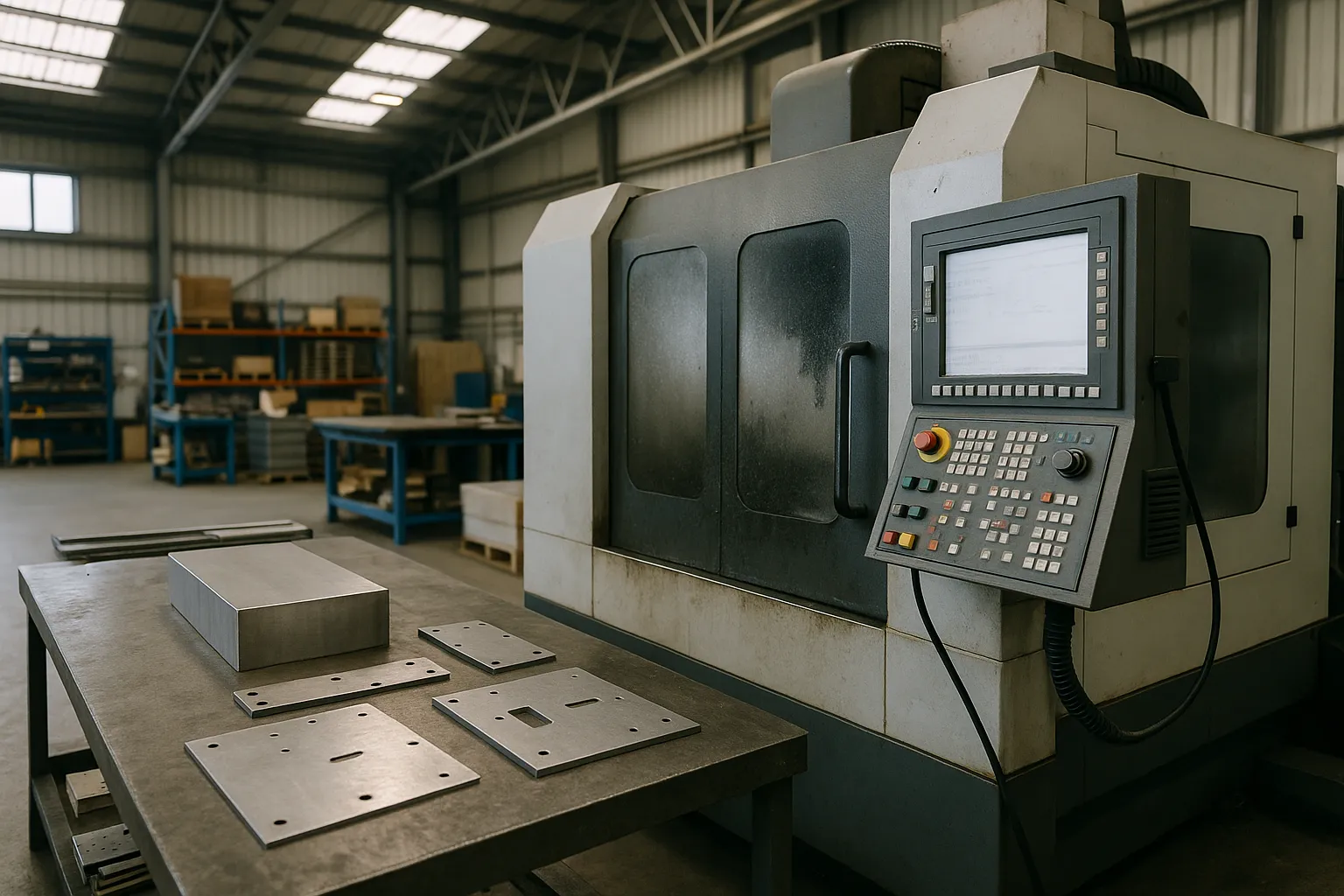
The improvement notice from the HSE highlighted multiple deficiencies in the company’s safety practices. Specifically, the notice indicated that Hitech Sheet Metal had not implemented effective measures to prevent or control employee exposure to hazardous substances. One particular concern is the mist generated from water-based metalworking fluids utilized in CNC (computer numerical control) machines, which poses risks for both respiratory ailments and skin conditions.
Furthermore, the HSE’s inspection revealed that the company failed to establish “suitable occupational health surveillance” for its employees who may come into contact with these dangerous substances. Without adequate monitoring, workers are at an elevated risk for conditions such as dermatitis, occupational asthma, and hypersensitivity pneumonitis.
In addition to the lack of health surveillance, Hitech Sheet Metal was found to have no mechanisms in place to check the quality of the metalworking fluids used on site. Of particular concern was the absence of testing for bacterial contamination within these fluids. Such oversight is critical in preventing health issues that could arise from contaminated substances.
The HSE noted that the failures identified during inspections are violations of the Health and Safety at Work Act as well as the Control of Substances Hazardous to Health Regulations established in 2002. These regulations are designed to safeguard employees by ensuring that workplaces adequately manage the risks associated with dangerous substances.
As part of the improvement notice, Hitech Sheet Metal has been given a deadline of March 12 to comply with the necessary requirements outlined by the HSE. The company has yet to respond to inquiries from local media regarding the notice or its plans for addressing the highlighted deficiencies.
Health and safety compliance is of paramount importance within the manufacturing industry, where employees are regularly exposed to a variety of potentially harmful substances. Failure to adhere to regulations not only puts workers at risk but can also result in severe financial liabilities for companies.
Local industry experts stress the importance of addressing these safety concerns promptly. Dr. Sarah Thompson, a health and safety consultant, remarked on the implications of non-compliance: “Manufacturing firms must prioritise the health of their employees by implementing robust safety protocols. Ignoring such requirements can lead to serious health repercussions for workers and legal consequences for the company.”
Hitech Sheet Metal’s situation serves as a critical reminder of the ongoing need for rigorous safety practices within the manufacturing sector. Industry professionals advocate for regular training and updates to safety protocols to help mitigate risks associated with hazardous substances.
As the deadline for compliance approaches, it remains to be seen how Hitech Sheet Metal Limited will address the improvement notice and what measures will be implemented to safeguard employee health in the future. The company’s next steps may prove crucial not only for its reputation but also for the safety and well-being of its workforce, which ultimately ensures continued operational viability in a competitive industry.
In light of this incident, industry stakeholders are calling for increased oversight and support from health and safety regulatory bodies to ensure that companies large and small adhere to established safety standards. Local councils and safety organisations are also urged to work more closely with businesses to provide resources that can help facilitate compliance and promote a culture of safety.
As concerns regarding health and safety in the workplace intensify, dialogues surrounding the responsibility of employers in safeguarding their employees will likely continue. The case of Hitech Sheet Metal serves as a focal point for these critical discussions, reinforcing the need for effective management and prevention strategies in all sectors that handle hazardous materials.
For further insights or similar stories that reflect the importance of worker safety and compliance within the industry, readers are encouraged to reach out to local news sources or engage directly with professionals in health and safety.
Our Thoughts
Hitech Sheet Metal Limited’s failure to ensure adequate control over exposure to hazardous substances highlights several critical safety deficiencies. Key lessons learned include the necessity for comprehensive risk assessments and the implementation of effective control measures, such as proper ventilation and the use of appropriate personal protective equipment (PPE). The absence of occupational health surveillance indicates a neglect of employee well-being and safety protocols, which is essential under the Health and Safety at Work Act 1974.
Moreover, the lack of monitoring for bacterial contamination in water-mixed metalworking fluids can lead to serious health implications, illustrating a breach of the Control of Substances Hazardous to Health Regulations 2002. To prevent similar incidents, companies should establish regular training for employees on health risks associated with hazardous substances and implement a robust health surveillance system to detect early signs of occupational ill health. Regular audits and reviews of safety practices can also ensure compliance with health and safety regulations, safeguarding employee health and reducing potential legal liabilities.