














Story Highlight
– Newlywed Jess Phillips fell ill during Cape Verde honeymoon.
– She experienced severe diarrhoea and vomiting from shigella infection.
– Jess claims hotel charged her for late check-out fee.
– Over 1,500 holidaymakers reported gastric illness in Cape Verde.
– TUI is reviewing her case for potential compensation.
Full Story
A recent honeymoon in Cape Verde has turned into a distressing ordeal for a new bride after she fell seriously ill shortly after arriving at the resort. Jess and Conor Phillips celebrated their wedding in Somerset before setting off on their much-anticipated getaway on October 21. However, what was supposed to be a week of sunshine and relaxation rapidly turned into a nightmare for the couple, particularly for Jess, who reported spending an alarming amount of time in the bathroom due to severe gastrointestinal distress.
Three days into their all-inclusive holiday at a five-star hotel, Jess began experiencing debilitating symptoms, including severe diarrhoea and nausea. The 31-year-old, who had previously enjoyed a holiday at the same resort, had high hopes for a restful stay. Instead, her condition rapidly deteriorated, prompting her to make between 50 to 100 trips to the bathroom within just three days. She reported that her symptoms included extreme urgency and frequency, leaving her feeling faint and exhausted.
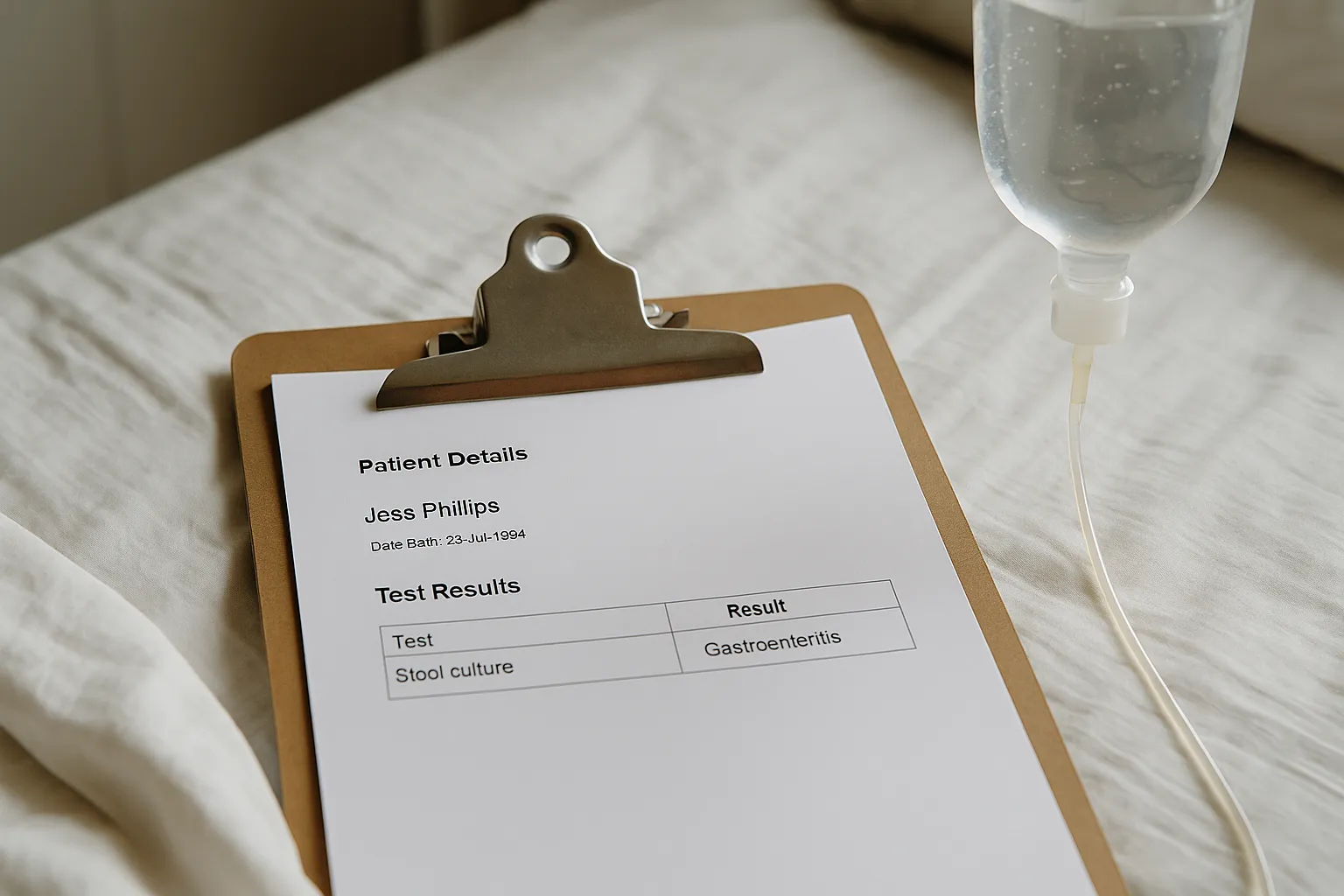
After battling severe diarrhoea, Jess developed additional complications such as vomiting, which further hindered her ability to retain food and fluids. She resorted to consuming Pringles just to maintain her salt intake as she struggled with dehydration. Eventually, her symptoms became so severe that she required hospital treatment, where she was diagnosed with gastroenteritis. Following further tests, her general practitioner confirmed the presence of shigella, a bacterial infection that can lead to serious gastrointestinal issues.
The NHS outlines shigella as a pathogen commonly associated with unsanitary conditions, highlighting that it often spreads due to food contamination. It appears that this case is not isolated. The law firm Irwin Mitchell is currently representing over 1,500 British tourists who have reported similar gastric illnesses linked to holidays in Cape Verde over the past three years.
Reflecting on her experience, Jess described the horror of her condition that she believes has marred what should have been a joyous honeymoon. She expressed deep frustration when, upon her hospital discharge, the hotel attempted to charge her an additional fee for a late check-out, despite her illness. Jess stated, “We booked this through TUI and just wanted something simple. The first few days were lovely, but then my health took a drastic turn.”
Describing the onset of her illness, she recounted: “On Saturday morning, I woke up feeling freezing cold and thought it might be heat stroke. My stomach felt off, and then everything changed rapidly. The diarrhoea started, and it was relentless—just water. I was passing blood and almost fainted walking to the bathroom.” The gravity of her situation prompted her to research her symptoms, leading her to the conclusion that she might be infected with shigella, known for its contagious nature.
Despite her attempts to remain cautious — using hand sanitiser and avoiding certain foods — Jess fell victim to the illness. Expressing concern for others’ health, she remarked, “If a small child or someone with a compromised immune system contracted this, it could be truly life-threatening.” While she ultimately returned home as planned, she remains convinced that she deserves a substantial refund for what she termed a ‘ruined’ honeymoon that cost over £3,000.
In response to her claims, the hotel management issued a statement expressing their regret over the guest’s illness, reiterating their commitment to maintaining strict health and hygiene protocols. They noted that guest safety is their top priority and stressed that regular health inspections are carried out to ensure compliance with hygiene standards.
Similarly, a spokesperson for TUI UK acknowledged the distress caused to Jess during her stay, affirming that the health and safety of customers is their paramount concern. The company has initiated a review of Jess’s case and plans to communicate with her regarding her experience.
As Jess continues to grapple with the aftermath of her illness, she hopes raising awareness about her situation will lead to greater scrutiny of food safety and hygiene practices at the resort. Her plea for transparency regarding health measures at tourist hotspots is underscored by her belief that every holidaymaker deserves a safe and enjoyable experience while abroad, free from the fear of serious illness.
The couple’s ordeal serves as a stark reminder of the potential risks associated with international travel, spotlighting the importance of maintaining robust health and safety standards, particularly in regions frequented by tourists. While Jess seeks restitution for her distress, her experience highlights a broader issue that many holidaymakers may face, calling for vigilance and action from both travel agencies and hospitality providers.
Our Thoughts
The incident involving Jess Phillips highlights significant breaches of health and safety standards, particularly regarding hygiene and food safety protocols under the Food Safety Act 1990 and the Health and Safety at Work Act 1974. To prevent such occurrences, hotels must rigorously follow hygiene practices, including regular cleanliness checks, safe food handling, and staff training on preventing cross-contamination.
The presence of the bacterial infection shigella, associated with poor sanitation, indicates that the hotel did not maintain adequate hygiene protocols. Regular external audits and strict adherence to food safety regulations should be enforced, particularly in high-risk environments such as restaurants within resorts.
Key lessons include the importance of transparency in reporting hygiene practices to guests and ensuring prompt response mechanisms for those reporting illness, which could include medical assistance and immediate investigation of food safety practices.
To prevent similar incidents in the future, travel companies like TUI should conduct thorough assessments of hotels for compliance with health and safety regulations prior to partnerships and ensure ongoing monitoring during the holiday season. Enhanced communication with guests about available health and safety information can also significantly mitigate risks.



That is awful to read. This highlights the importance of robust food safety management and prompt reporting of outbreaks so hotels and local authorities can act quickly to protect other guests. People travelling should be able to expect safe food and timely support when something goes wrong, and operators must take responsibility for preventing and responding to incidents like this.