













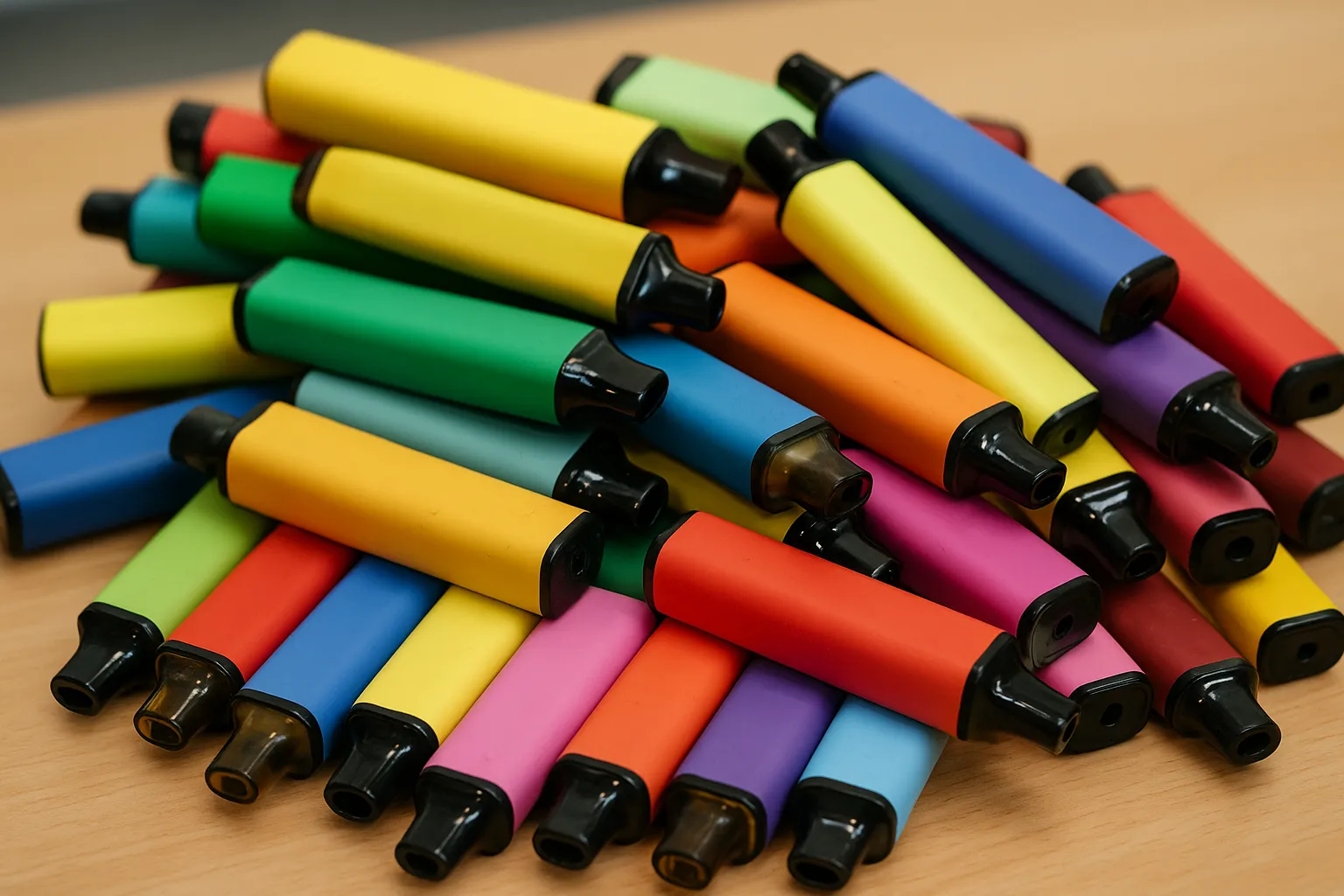
Story Highlight
– Illegal vapes are rising in UK cities and towns.
– Over half of councils seized illegal vapes last year.
– Central Bedfordshire Council seized the most illegal vapes.
– Concerns over health risks of unregulated counterfeit vapes.
– Call for vape retail licensing to combat illegal sales.
Full Story
The proliferation of illegal vaping products in the UK has reached alarming levels, with new data indicating a significant increase in the number of unregulated and potentially hazardous vape shops across the country. A recent report, which analysed information obtained through freedom of information requests, revealed a troubling trend that poses not only a public health risk but also challenges for local law enforcement and regulatory agencies.
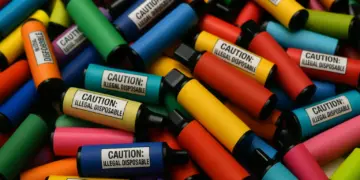
Over the past year, the problem has escalated, with more than half of local councils—specifically 55%—reporting incidents of illegal vape seizures. The findings highlight certain regions as hotspots for these unlicensed operations, including Central Bedfordshire, which topped the list with a staggering total of 345,718 illegal vapes confiscated in 2025 alone. Following closely behind, Bolton Council reported the confiscation of 259,492 illegal vaping products during the same period. The data paints a complex picture of a growing black market for vaping devices, with several other council areas such as Kent, Hillingdon, Swansea, and Liverpool also noted for significant seizures.
The rapid emergence of illegal vape shops is often attributed to economic changes leading to an increase in legitimate retail locations. As traditional shops succumb to financial pressures and shifting consumer preferences, many of these spaces have been repurposed for the sale of vaping products. While many businesses operate within the legal framework, the existence of these illegal operations raises serious concerns regarding public safety and compliance with established laws, particularly the Tobacco and Related Products Regulations 2016. This legislation governs the sale of vaping products, stipulating specifications such as nicotine content and design requirements to ensure consumer safety.
John Dunne, Director General of the UK Vaping Industry Association (UKVIA), expressed profound concern over the findings, suggesting that the situation may prove to be more severe than current reports illustrate. “I fear that what has been uncovered here is just the tip of the iceberg, and it is deeply troubling that the report shows that Trading Standards have undertaken fewer inspections this year than in the previous 12 months,” Dunne remarked. He advocates for an overhaul of current regulations and is urging the government to implement a licensing scheme for vape retailers and distributors that would potentially generate £50 million annually. This revenue, he argues, would enhance the capabilities of Trading Standards, enabling better enforcement against illegal sales.
Given the current framework, it appears that local authorities are struggling to keep pace with the rise of illegal vaping operations. Dunne emphasised the importance of increasing funding for Trading Standards teams, noting that “robust enforcement backed up by £10,000 fines for those who break the law is the best way to tackle this issue once and for all.” The statistics reflecting the volume of illegal vape seizures across the UK are not just numbers; they are indicative of a complex and widespread issue affecting communities.
The regions with the highest incidence of illegal vape seizures were identified in the recent data analysis, which serves as a catalyst for potential policy discussions and community actions. The areas leading the list included:
1. Central Bedfordshire Council
2. Bolton Council
3. Kent County Council
4. Hillingdon
5. Swansea Council
6. Liverpool City Council
7. Sheffield City Council
8. Hertfordshire County Council
9. Manchester City Council
In total, authorities seized approximately 1.3 million illegal vapes in 2025, prompting urgent calls for increased regulation and monitoring of this burgeoning market. The geographic concentration of illegal vape sales highlights the necessity for tailored local strategies to combat this issue effectively.
Health implications related to vaping and its associated risks are equally concerning. Ongoing studies suggest that vaping can inflict artery damage comparable to that caused by traditional cigarette smoking. The presence of unregulated products further exacerbates the potential health risks, putting users at even greater danger. Dan Marchant, Director at Vape Club and a founding member of the UKVIA, reiterated the need for reform and proper oversight. “We’ve long called for a retail and distributor licensing framework to be implemented for the vape sector,” he stated, underscoring the urgency of institutional responses to the crisis.
In urban centres like Manchester, the prevalence of vape shops has raised alarms among local residents who express concerns not just about health risks but also about the normalisation of vaping among younger populations. Areas such as Strangeways are particularly affected, with reports indicating a concentration of 51 vape shops situated along just two local streets.
The growing number of vape retailers on UK high streets, coupled with the existence of illegal shops operating outside regulatory frameworks, portrays a challenging landscape for community safety and health. As discussions continue among industry advocates, health professionals, and policymakers, the need for decisive action has never been clearer. Without appropriate regulatory measures and improved enforcement capabilities, it is likely that the surge in illegal vaping activities will persist, resulting in further health risks and community concerns.
Our Thoughts
To mitigate the surge of illegal vapes in the UK, several proactive measures and regulatory enhancements could have been implemented. Firstly, increasing the frequency and scope of inspections by Trading Standards is crucial, as their reduced activity may have allowed illegal operations to proliferate. The enforcement of the Tobacco and Related Products Regulations 2016 (TRPR) must be stringent; non-compliance with these regulations, particularly concerning nicotine levels and tank sizes, poses significant health risks.
Moreover, the call for a comprehensive licensing scheme for vape retailers and distributors is vital to enhance regulatory oversight and funding for enforcement. Such a program would provide Trading Standards with the necessary resources to actively prosecute non-compliant sellers. It could also deter illegal sales through substantial penalties, reinforcing compliance within the industry.
Finally, collaboration between local councils, law enforcement, and public health bodies is essential to establish a coordinated approach in tackling this issue. Educating consumers about the risks associated with illegal vapes could further diminish their market demand, ensuring a safer environment for users.