













Story Highlight
– Fuel poverty increases risk of carbon monoxide poisoning.
– Cold, damp homes face higher carbon monoxide danger.
– 18% of those in fuel poverty reported carbon monoxide issues.
– Majority lack working carbon monoxide detectors at home.
– Government seeks to improve housing safety for tenants.
Full Story
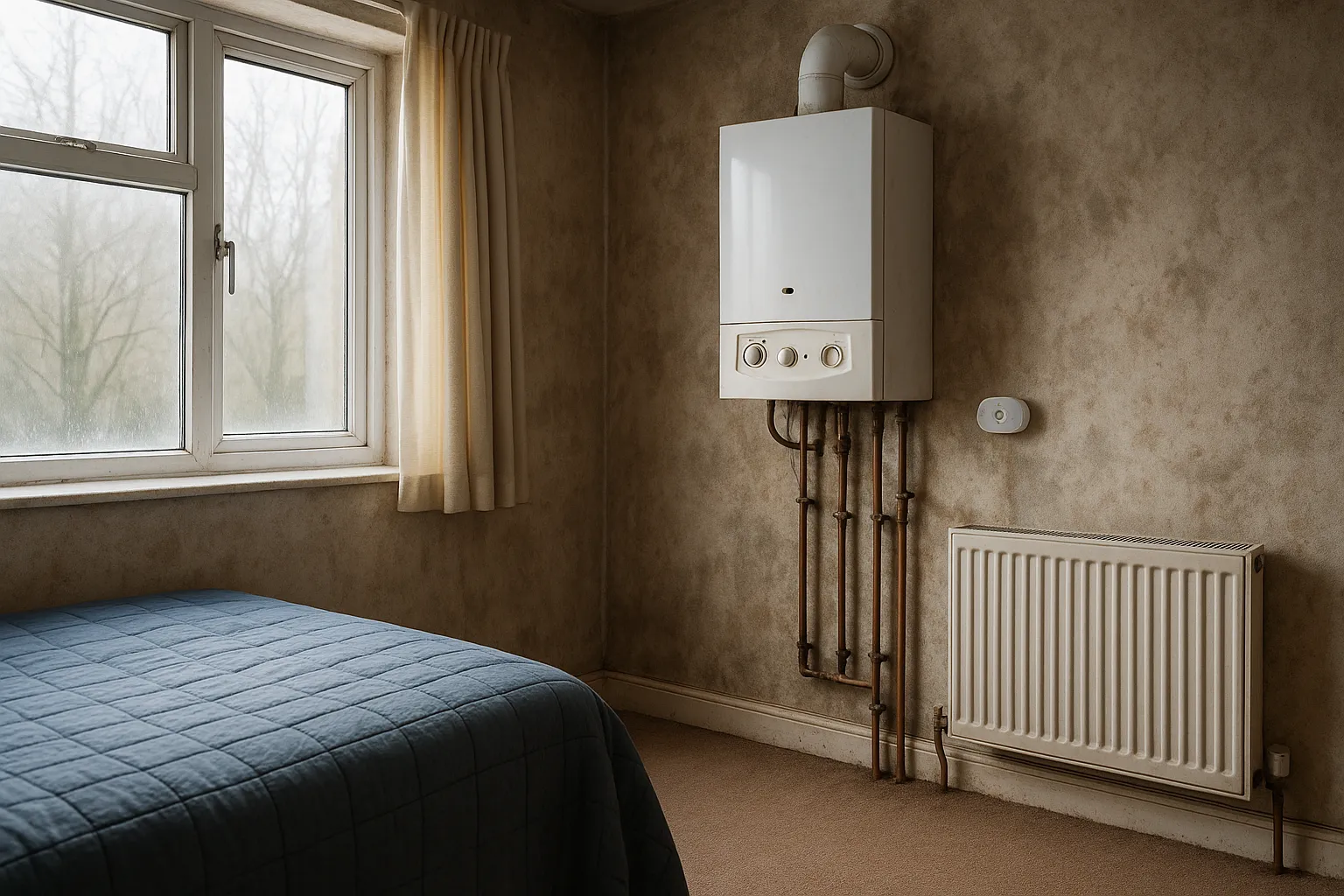
Research indicates that individuals facing fuel poverty are significantly more vulnerable to the dangers posed by carbon monoxide (CO) poisoning, as experts raise fresh alarms regarding the hazards of this often unseen threat. Those residing in homes that are cold and damp face increased risks due to factors such as poor insulation, ageing heating systems, and the financial burden of repairs. This convergence of poverty, substandard housing, and reliance on gas creates grave concerns for the health of these inhabitants.
Simon Francis, representative of the End Fuel Poverty Coalition, stated, “The fact that people living in cold and damp homes are significantly more likely to experience carbon monoxide problems exposes a deadly intersection between poverty, poor housing and our continued reliance on gas.” He underscored that individuals enduring fuel poverty often find themselves trapped in older, inadequately maintained properties with poor ventilation, which elevates their likelihood of CO exposure.
Statistics reveal a troubling narrative: individuals reporting cold and damp living conditions were more than twice as likely to encounter elevated carbon monoxide levels in their homes over the past year compared to the national average. Data show that while seven per cent of the general population experienced high levels of CO, this figure rose to 18 per cent for those unable to adequately heat their residences. The survey, which encompassed 2,000 adults across the UK, highlighted alarming trends among specific demographics, notably among younger adults aged 18 to 34 (16 per cent) and families with children under the age of 18 (11 per cent).
David Rudge, a father of six who suffered severe health complications from carbon monoxide poisoning last year, shared his experience, noting a concerning gap in public awareness regarding this silent threat. “You tend to hear the stories of it being in nursing homes and hotels and you know it’s a danger of some sort, but until it actually comes to you, I don’t think people realise the importance of this silent killer,” he remarked. Mr Rudge, who works as a sandwich delivery driver in Blackpool, was compelled to vacate his flat above a shop following the alarming activation of a carbon monoxide alarm, which had only been installed by his landlord days earlier.
UK regulations stipulate that landlords must provide carbon monoxide detectors in any property featuring fuel-burning appliances. During the emergency call-out, engineer Abu Bobat immediately recognised the symptoms of carbon monoxide exposure in Mr Rudge, such as drooping eyes, headaches, and nausea—a critical observation that potentially saved the man’s life. Historical data from the UK Health Security Agency (UKHSA), covering the period from 1998 to 2019, reveals that over half (51 per cent) of carbon monoxide poisoning fatalities in England and Wales involved individuals from the poorest segments of society.
Rebecca Close, a principal environmental epidemiologist at UKHSA, provided insight into the trends surrounding CO poisoning fatalities. “Overall trends show that deaths due to unintentional, non-fire related carbon monoxide poisoning in England and Wales have decreased over time,” she stated. “However, fatalities still occur, and UK Health Security Agency data collected between 1998-2019 shows a clear trend of increasing mortalities with increasing deprivation.” The agency’s findings underline the stark reality that those in disadvantaged positions are disproportionately affected.
A concerning statistic from the research discovered that almost one-third (31 per cent) of the public lack functioning carbon monoxide detectors in their residences. Close emphasised the need for preventative measures to not only raise awareness about the hazards of carbon monoxide, but also ensure the proper installation and upkeep of detectors, particularly in locations that are frequently overlooked, such as garages and temporary housing. She advocated for the routine maintenance of domestic gas and fuel-burning appliances to safeguard public health.
Phil Burrows, who leads customer vulnerability initiatives at Cadent Gas, described the worrying correlations between fuel poverty and carbon monoxide exposure. He noted that individuals living in colder, damp environments often obstruct ventilation to retain heat or are reluctant to open windows, leading to dangerous conditions. “When you’re in fuel poverty and there’s not a lot of spare money around, one of the challenges people are making is really difficult decisions about getting appliances serviced,” he explained. Consequently, maintenance checks often become deprioritised, resulting in potentially hazardous appliances being used far longer than safety standards would advocate.
Improperly maintained gas appliances can emit carbon monoxide if they do not combust fuel completely. “A lot of gas appliances rely on ventilation to effectively burn and also to dissipate carbon monoxide,” Burrows added, pointing out that the financial strains associated with heating homes exacerbate these risks.
A spokesperson from the Ministry of Housing, Communities and Local Government emphasised their commitment to safeguarding tenant welfare. “No one should be forced to live in a dangerous home, and we are taking decisive action to give people safety and security by clamping down on dangerous hazards,” they affirmed. They highlighted the new legislation dubbed Awaab’s Law, designed to compel landlords within the social rent sector to address hazardous conditions expeditiously, including emergencies related to carbon monoxide, and enabling tenants to hold landlords accountable through proper channels.
As awareness grows concerning the perils associated with carbon monoxide, the intersection of fuel poverty and housing safety remains a critical issue within the UK, highlighting the need for comprehensive policy action and public education to prevent disturbingly common tragedies.
Our Thoughts
To prevent the incidents of carbon monoxide poisoning among vulnerable populations highlighted in the article, several measures could have been implemented. First, stricter enforcement and compliance with existing regulations, such as the requirement for landlords to install carbon monoxide detectors in properties with fuel-burning appliances, is essential. This aspect of the Gas Safety (Installation and Use) Regulations 1998 must be reinforced.
Additionally, increasing awareness around carbon monoxide risks and ensuring that landlords conduct regular maintenance and inspections of gas appliances would greatly reduce hazards. The Health and Safety at Work Act 1974 obligates employers and landlords to ensure the health and safety of tenants and employees by maintaining safe living and working conditions.
Moreover, addressing the issue of fuel poverty through government support and measures to improve housing standards can mitigate the risks associated with poor living conditions, such as inadequate insulation and aging heating systems. Training initiatives for tenants on recognizing the signs of carbon monoxide exposure could also empower residents to take proactive steps concerning their safety.
In summary, a combination of regulatory enforcement, awareness campaigns, and improved living conditions for the most vulnerable populations could prevent similar incidents in the future.