
















Story Highlight
– UK health agency investigates over 60 baby illness cases.
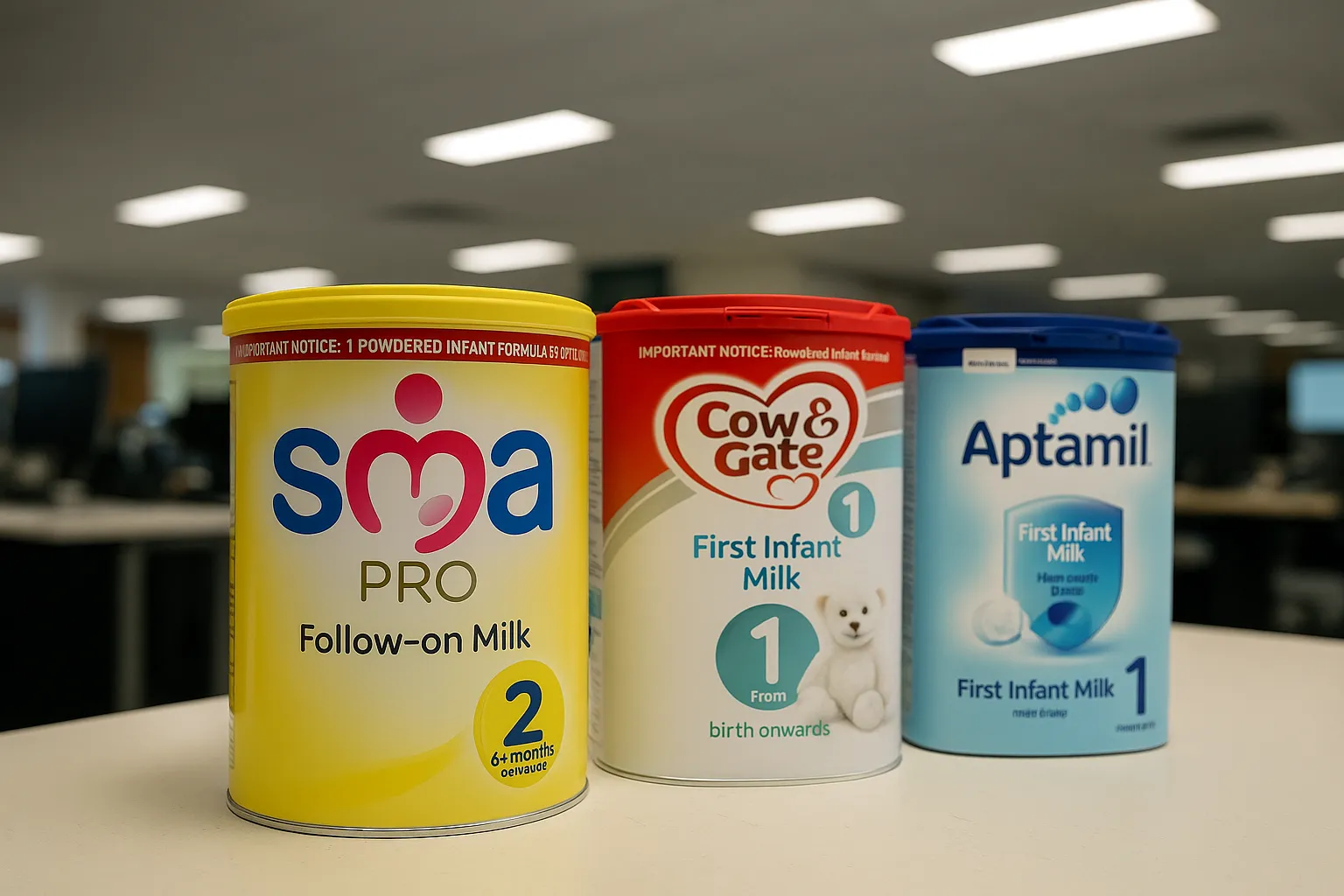
– Nestle recalled SMA infant formula due to toxin concerns.
– Danone recalled Aptamil and Cow & Gate formulas similarly.
– Confirmed toxin linked to third-party ingredient contamination.
– Parents urged to remove recalled formula from homes.
Full Story
The UK Health Security Agency (UKHSA) is currently examining over 60 reports of infants experiencing serious health issues associated with the consumption of contaminated baby formula. The concern arose following a significant recall by Nestlé in January, which affected a number of batches of both its SMA infant formula and follow-on products across more than 60 nations.
This proactive measure was initiated after the identification of cereulide, a toxin that is notably resistant to heat, which can trigger adverse symptoms including vomiting, severe diarrhoea, and abdominal cramping. In addition to Nestlé’s recall, Danone has also withdrawn several batches of its Aptamil and Cow & Gate infant milk products due to similar contamination worries.
In light of these escalating health concerns, the UKHSA is specifically investigating cases throughout the UK where infants have displayed symptoms aligning with those associated with cereulide poisoning. The agency’s preliminary findings indicate that of the affected infants, 35 are male and 26 are female, with some cases also exhibiting confirmed infections from other seasonal viruses.
Since the initiation of the recall, distressing accounts have emerged from families who were unwittingly providing their babies with the tainted formula. Chloe Fernandes, a mother from Nottinghamshire, recounted her harrowing experience with her eight-month-old daughter, Rebecca, who required hospitalisation due to consumption of the affected SMA formula. “Rebecca became very ill mid-December,” Ms Fernandes explained. “She had horrific diarrhoea and severe vomiting which led to her choking and needing to go to hospital.” Fortunately, her daughter has since made a full recovery, but the incident left Ms Fernandes deeply troubled. “All parents need answers. It was a horrific experience,” she stated emphatically.
Another parent, Stuart Smith, who resides in Kent, shared a similarly traumatic encounter with his infant son, Elis. Smith noted that after being fed the Nestlé SMA formula from birth—due to difficulties with breastfeeding caused by tongue-tie—Elis began experiencing frequent vomiting following feeds. “Elis wasn’t eating and was very upset,” Smith recounted, highlighting his son’s struggle to gain weight. After seeking medical attention, his son was diagnosed with dehydration, prompting multiple investigative procedures. However, medical professionals initially struggled to pinpoint the issue. The shocking revelation that Elis had been fed the contaminated formula greatly impacted Smith and his wife. “We felt guilty,” he expressed, pointing out the emotional toll on new parents. “Your whole world focuses on keeping them safe, and to know that it was something so avoidable was awful. We want answers.”
In response to the situation, a spokesperson for Danone North Europe sought to reassure concerned parents, stating, “We would like to reassure all parents that our infant formula products on sale are safe. To date, there are no confirmed cases of sickness or symptoms linked to our products.” Meanwhile, the UKHSA reported that the current testing capabilities for definitive confirmation of cereulide poisoning in the affected infants are “limited in the UK,” an issue the agency is actively working to address.
Investigations have revealed that the introduction of the toxin into the formula occurred through a specific ingredient—an oil sourced from a third-party manufacturer, which both Nestlé and Danone had been using. Following the discovery, both companies confirmed they would no longer use this supplier. According to Gauri Godbole, deputy director of gastrointestinal infections at the UKHSA, “Testing of the recalled formula has confirmed presence of the toxin in some batches at levels that exceed limits set by the European Food Safety Authority and therefore pose a potential health risk,” underscoring the urgency of the situation. Parents and caregivers have been strongly advised to thoroughly check for and dispose of any recalled formula products to safeguard their children’s health.
Nestlé has expressed regret over the incidents linked to its formula, stating, “We are very sorry to hear about these cases. Our teams will work closely with any families who report these types of concerns to us.” Furthermore, the company assured that all batches of the ingredient from alternative suppliers are now being meticulously tested to ensure the absence of cereulide.
As investigations continue, the implications of this troubling situation remain significant for the broader community of parents reliant on infant formula. The ongoing scrutiny from health authorities and the actions taken by major manufacturers are critical in restoring trust and ensuring the safety of infant nutrition. The UKHSA’s commitment to resolving these issues and providing clear guidance will be essential in mitigating further risks and addressing the concerns of affected families.
Our Thoughts
The incident involving contaminated baby formula highlights several key areas for improvement in health and safety protocols to prevent similar occurrences. Firstly, stringent quality control measures should have been implemented by manufacturers, particularly concerning the sourcing of ingredients from third-party suppliers. The presence of cereulide, a heat-resistant toxin, indicates a breach of the Food Safety Act 1990, which mandates that food must be safe for consumption.
Additionally, the rapid communication of safety alerts and recalls could have been more effective to ensure that parents were promptly informed about the dangers of affected products, potentially mitigating health risks to infants. The UKHSA’s acknowledgment that testing capabilities for cereulide poisoning are currently limited suggests a need for improved testing infrastructure, aligned with the Health and Safety at Work Act 1974 that emphasizes protecting the health of individuals in the workplace.
Finally, this situation underscores the importance of rigorous adherence to Hazard Analysis and Critical Control Point (HACCP) principles in food safety management, to identify and control potential hazards before they cause public health issues. Implementing these measures can help prevent similar incidents in the future.