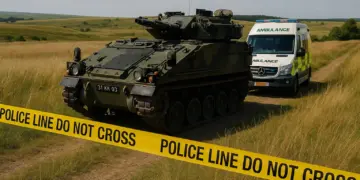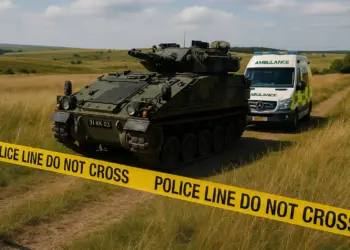
Military inquest opens into death of Captain Muldowney at training exercise
An inquest has commenced into the tragic death of Captain Philip Gilbert Muldowney, aged 25, following a gunshot wound sustained...
Read moreDetailsAn inquest has commenced into the tragic death of Captain Philip Gilbert Muldowney, aged 25, following a gunshot wound sustained...
Read moreDetails




Last updated: 8 October 2025
Author: Jade Anderson, Senior Reporter — UK-Safety.News
Uncontrolled energy causes some of the worst injuries. Effective isolation prevents contact with electricity, pressure, motion, heat, and chemicals during maintenance and non-routine tasks.
Identify all energy sources (electrical, hydraulic, pneumatic, thermal, gravity). Review P&IDs and SOPs.
Stop equipment, open isolators, apply group locks and personal locks.
Bleed, vent, block, discharge, neutralise; verify zero energy state.
Attempt a start with guards fitted; check for absence of voltage/pressure/motion.
Area clear, guards reinstated, remove locks in order, communicate restart.
Use isolation registers, hasp systems for groups, and permit-to-work where the task is high-risk. Train authorised persons and verify competence annually.
✅ Up-to-date isolation procedures
✅ Correct locks/hasps/tags available
✅ Test equipment calibrated
✅ Evidence of verification steps recorded
✅ Annual competence refreshers

Copyright © 2025 UK Safety News