











Story Highlight
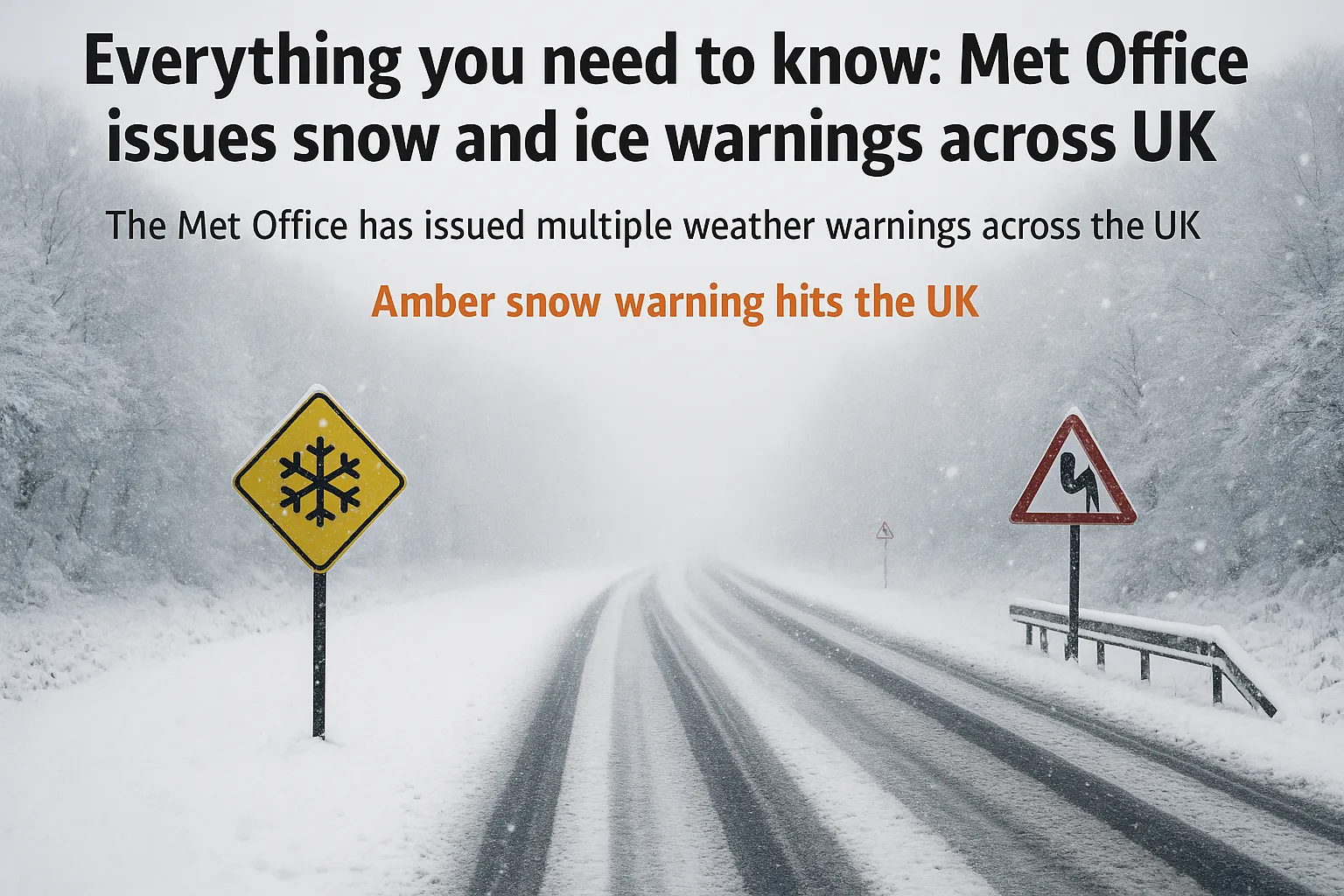
– Met Office issues amber and yellow snow warnings nationwide.
– Cold Arctic air causes rapid temperature drop across UK.
– Significant travel disruptions expected due to snow and ice.
– Amber cold-health alerts issued for high-risk health regions.
– Hazardous conditions likely on untreated roads and pavements.
Full Story
The Met Office has recently issued a series of weather warnings across the United Kingdom as plummeting temperatures signal the onset of severe winter conditions. These warnings highlight the potential for dangerous weather associated with heavy snowfall and icy conditions, which are anticipated to significantly impact various regions as the new year begins.
An influx of cold Arctic air is currently sweeping down across the UK, leading to a rapid drop in temperatures. This dramatic shift marks a departure from the milder conditions experienced previously, with forecasters indicating the implications of this chilling air mass. The weather warnings encompass a range of regions, with notable amber and yellow alerts indicating substantial wintry hazards that could disrupt daily life.
Travel disruptions are a major concern, as the combination of snow and ice has the potential to complicate roadways, rail services, and air travel. Commuters are urged to monitor their travel arrangements closely and plan for possible delays or cancellations. Safety is paramount, and those traveling are recommended to allocate additional time for their journeys to mitigate the risks posed by hazardous conditions.
In light of the impending cold snap, the UK Health Security Agency has also issued amber cold-health alerts for several areas, including the North West and North East. These warnings serve to raise awareness of the health risks associated with freezing temperatures, particularly for vulnerable populations and those working in health and social care. Such alerts underscore the serious implications that such weather can have on public health systems.
Certain regions are deemed at greater risk than others, with places such as the North East and Yorkshire currently under more severe amber warnings due to the predicted heavy snowfall. Snow accumulations and potentially blizzard-like conditions on higher terrain are anticipated in these areas, which could exacerbate travel difficulties and pose risks to safety.
As temperatures are expected to drop below freezing overnight, forecasters warn of the likelihood of icy patches developing on untreated roads, pavements, and cycling paths. This creates heightened risks for drivers navigating slick roadways and for pedestrians, who may encounter hazardous conditions that could lead to slips and falls. The public is advised to exercise caution when venturing outside during this period of inclement weather.
Furthermore, the Met Office has indicated that some regions may face additional challenges, including the possibility of power outages and disruptions to mobile phone services, particularly in areas most affected by heavy snowfall. Rural locales may be temporarily isolated if significant snow accumulates, further complicating access to essential services and support.
Despite the immediate forecasts suggesting severe winter weather ahead, questions remain regarding the duration and extent of the snow. There is still uncertainty over how long the adverse conditions will persist and the geographical spread of the snowfall. Residents are encouraged to stay informed by following the latest updates from local weather services, as conditions can shift and weather warnings may change quickly.
As the UK faces this wintry challenge, it is important for individuals to stay vigilant and prepared. Monitoring local weather reports and taking proactive measures can help ensure safety through what is shaping up to be a pronounced cold snap.
Our Thoughts
To minimize risks associated with the current snow and ice warnings, key actions could have included more proactive communication and preparedness measures under the Health and Safety at Work Act 1974. Employers should assess risks posed by severe weather and implement controls, such as maintaining clear communication with employees about weather conditions and encouraging remote work where feasible.
Relevant regulations, such as the Management of Health and Safety at Work Regulations 1999, emphasize the importance of risk assessments in safeguarding employees. Potential breaches could arise if employers fail to adequately prepare for winter weather, resulting in unsafe travel and increased risk of accidents.
To prevent similar incidents, organizations should implement regular review processes for winter preparedness, including the provision of adequate training for staff on assessing hazards posed by severe weather. Enhanced signage in areas prone to slips and falls, as well as appropriate grit and snow clearance, would also mitigate risks to pedestrians and drivers. Regularly updated contingency plans addressing potential service disruptions can further ensure safety in adverse weather.