
















Story Highlight
– New Year’s resolutions lead many to pursue weight loss.
– MHRA warns against unregulated weight-loss products risks.
– Illegal products may be fake or dangerously untested.
– Prescription weight-loss medicines should only come from professionals.
– Dr. Amir Khan cautions against black market weight-loss injections.
Full Story
As the new year approaches, individuals worldwide are beginning to contemplate lifestyle modifications, with many setting goals for weight loss as part of their New Year’s resolutions. In light of this shift, the UK’s Medicines and Healthcare products Regulatory Agency (MHRA) has issued a cautionary message regarding the use of weight-loss medications. The agency emphasizes the importance of ensuring that any such products are safe, legitimate, and effective before use.
The MHRA’s role is crucial in overseeing the regulation of medicines and medical devices throughout the UK, ensuring that they meet standards for both efficacy and safety. In recent communications, the agency has reiterated the potential dangers associated with purchasing weight-loss products from unverified websites or social media platforms. Items procured through these channels may not only be counterfeit or contaminated but can also contain hazardous ingredients that are not disclosed on the labels.
In a stark warning, the MHRA stated, “These can lead to dangerous side effects, including heart problems, psychological effects and dangerously low blood sugar.” Furthermore, they stressed that prescription medications for weight management should only be dispensed following a thorough evaluation by a licensed healthcare professional.
To safeguard health, the MHRA advises against acquiring prescription-only medications without an appropriate prescription. It is critical to obtain GLP-1 medicines and other weight-loss treatments only after undergoing a clinical assessment. Consumers should restrict their purchases to registered pharmacies or trusted retailers within the UK.
The agency has also alerted the public to the risk of weight-loss products heavily advertised on social media platforms. They highlight that promotional messages suggesting “quick fixes,” “miraculous results,” or prices significantly lower than expected often indicate illegal sales methods.
Health Minister Dr. Zubir Ahmed, in his role as both a practicing doctor and the patient safety minister, reinforced this message, emphasizing personal safety. He stated, “As a practising doctor and patient safety minister, I want to be absolutely clear – please do not buy weight loss medications from unregulated sources.” Dr. Ahmed expressed concern that products obtained through unofficial means lack necessary safety measures, posing considerable health risks. He urged consumers not to support criminal enterprises that prioritize profit over public health. He noted, “Safe, appropriate, licensed obesity drugs can greatly benefit those with a clinical need but should be obtained from a registered pharmacy against a valid prescription.”
Jenn Matthissen from the MHRA’s Safety and Surveillance team echoed these sentiments, advising that while many seek to enhance their health during this time of year, purchasing medicines from illegal online sellers poses serious health risks. She encouraged individuals to confirm that they are using authorized products sourced from legitimate channels and to consult healthcare professionals for guidance on safe, evidence-based alternatives.
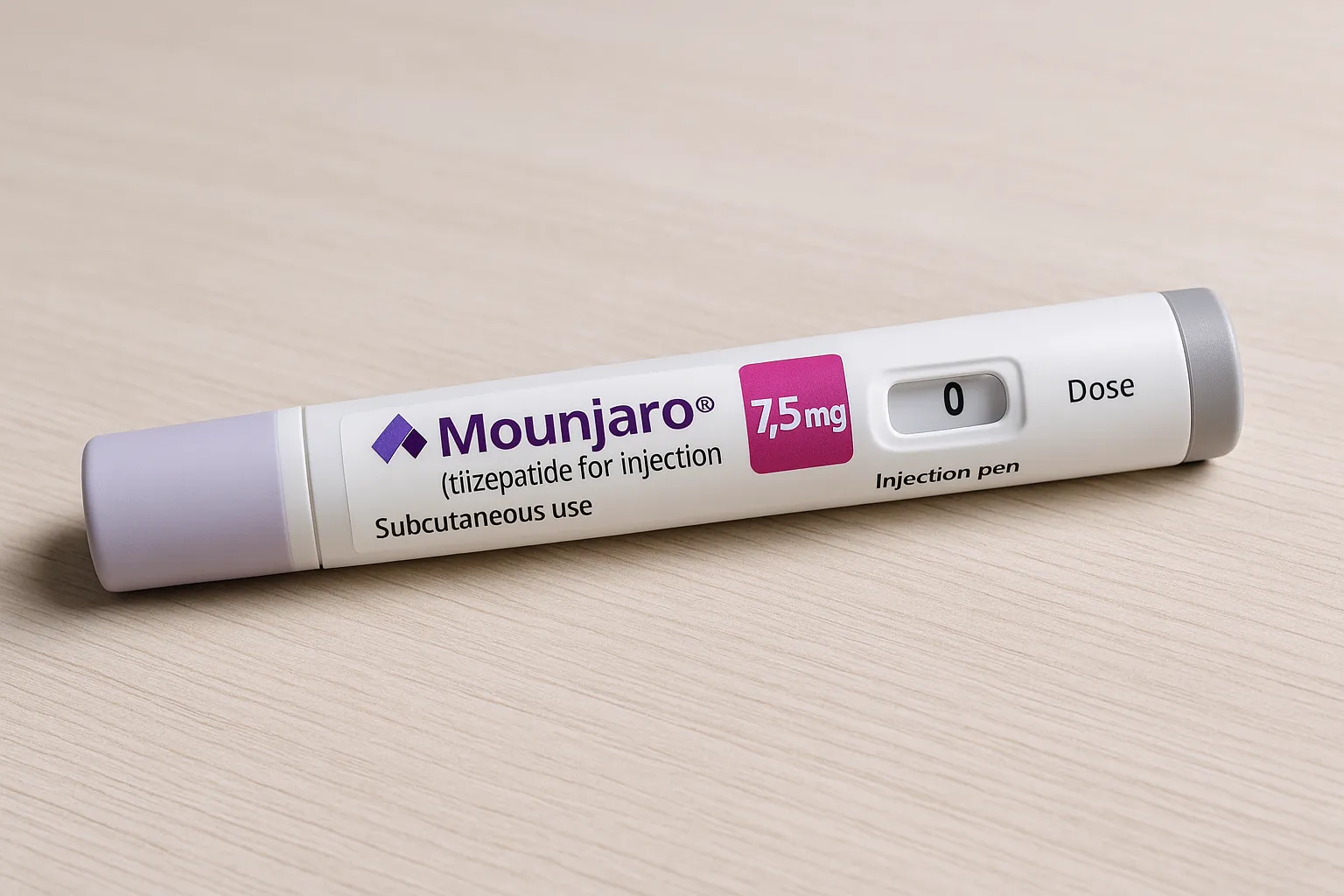
In a related discussion, ITV’s Dr Amir Khan raised concerns about individuals resorting to the black market to acquire weight-loss injections, specifically mentioning Mounjaro. During a segment with presenter Christine Lampard on the programme “Lorraine,” he noted the rising costs associated with Mounjaro, saying, “you mustn’t, and I know people are desperate when it comes to weight loss and getting healthier. But you mustn’t get it on the black market.” He recounted experiences with patients who had obtained Mounjaro through illicit means, receiving unlabeled syringes that potentially contained unknown substances.
The prevalence of weight-loss medication use in the UK is notable, with estimates suggesting approximately 1.5 million individuals are currently taking such drugs. These medications may have been prescribed following consultations with specialized weight loss clinics or through private prescriptions, highlighting the growing demand for effective weight management solutions.
As people advance into the new year with health-focused resolutions, the MHRA’s advisory serves as a critical reminder of the importance of caution concerning weight-loss products. The agency aims to educate the public about the risks associated with unregulated medications while promoting confidence in legitimate and effective medical treatments available through proper channels.
As the conversation surrounding weight management continues, particularly in light of the increasing stress about health and wellness at the year’s start, professionals urge consumers to remain vigilant. Seeking out qualified healthcare advice and utilizing appropriate resources is crucial to achieve both safety and efficacy in weight management strategies. The MHRA remains committed to safeguarding public health and ensuring that individuals can make informed choices about their wellbeing as they embark on their health journeys this coming year.
Our Thoughts
To prevent incidents related to the misuse of weight-loss medications, several key actions could have been implemented:
1. **Increased Regulation and Oversight**: Strengthening regulations regarding online pharmaceutical sales would help curb illegal offerings. The Medicines and Healthcare products Regulatory Agency (MHRA) should enhance monitoring of web platforms and social media to identify and shut down unregulated sellers.
2. **Public Awareness Campaigns**: Initiatives focused on educating the public about the risks associated with purchasing medications from unregulated sources could reduce demand for such products. Highlighting the dangers and legal ramifications may deter individuals from seeking black-market alternatives.
3. **Stricter Enforcement of Existing Regulations**: Enforcement of existing laws under the Medicines Act 1968 and the Human Medicines Regulations 2012 is crucial. Sellers distributing prescription-only medications without appropriate licenses and oversight need to face significant penalties.
4. **Access to Valid Prescriptions**: Improving access to healthcare professionals for appropriate assessments would ensure that individuals who need weight-loss medication receive it safely through legitimate channels.
By addressing these areas, the risks highlighted in the article could be substantially minimized, ensuring compliance with UK health and safety legislation aimed at protecting public health.