
















Story Highlight
– National Trust warns against visiting Birling Gap.
– Storm Goretti causes rough seas near Eastbourne.
– Met Office issues yellow weather warning for Sussex, Kent.
– Advisories include avoiding cliffs and securing outdoor items.
– Strongest winds expected in Cornwall and Isles of Scilly.
Full Story
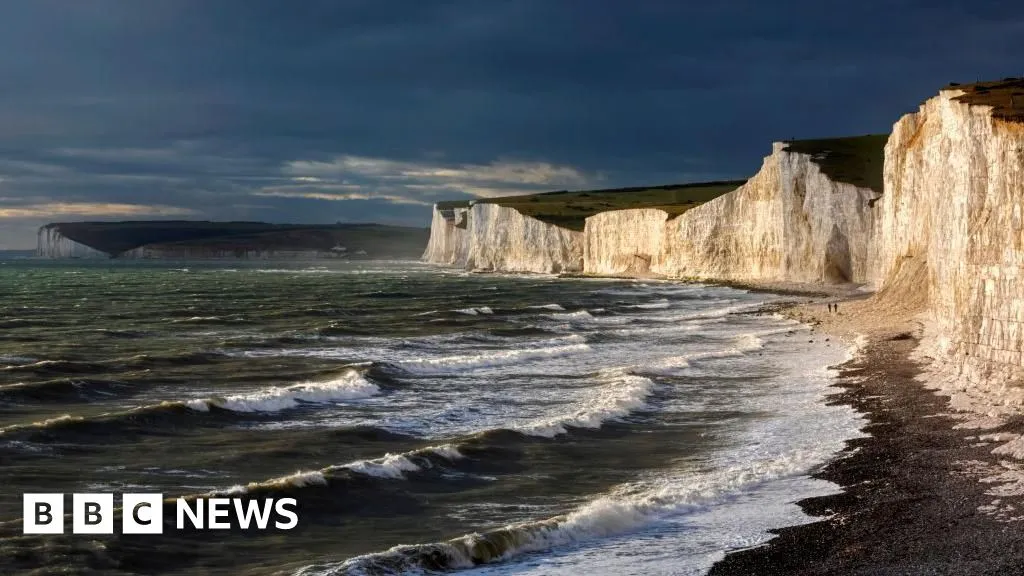
The National Trust has issued a cautionary message regarding Birling Gap following the unsettling effects of Storm Goretti. This picturesque area, located near Eastbourne in East Sussex, has been significantly impacted by adverse weather conditions. Visual evidence released by the National Trust illustrates the intense rainfall and turbulent seas battering the illustrious cliffs.
In response to these hazardous conditions, the Met Office has placed a yellow weather warning, specifically highlighting wind threats in coastal regions of Sussex and Kent. This alert is active from 3:00 PM GMT on Thursday until 8:00 AM on Friday.
The National Trust has urged those planning to visit the area to steer clear of the cliffs and the beach on Thursday afternoon, prioritising safety as conditions worsen. The Met Office reinforced this advice, cautioning individuals near the shoreline that even from a safe distance on the beach, large waves have the potential to knock people off their feet and drag them into the sea.
As Storm Goretti brings with it a unique challenge, the first named storm of the year derives its title from the French meteorological service, indicating its international implications. The phenomenon is being closely monitored as forecasters predict it may produce “explosive cyclogenesis,” also referred to as a “weather bomb.” This is characterised by a rapid drop in central pressure, which can lead to extremely powerful winds developing in a matter of hours. Areas particularly susceptible to the storm’s fury include parts of Cornwall and the Isles of Scilly, where wind speeds are expected to be at their highest.
According to the Met Office, conditions are forecast to worsen throughout Thursday afternoon before gradually subsiding from the west during the early hours of Friday. They have recommended that members of the public take precautions around their homes by securing loose items in anticipation of the strong winds. Additionally, individuals are advised to remain vigilant regarding road conditions and public transport schedules, as potential disruptions are anticipated.
The public’s response to such weather warnings is crucial, particularly in vulnerable areas like coastal communities. Local residents have expressed concern, noting that storms of this nature can pose serious risks not only to visitor safety but also to the environment and infrastructure in the vicinity. One local shop owner stated, “We rely on tourists, but their safety must come first. It’s vital they heed warnings from authorities like the National Trust and the Met Office.”
Experts underline the importance of heeding these warnings, especially in regions prone to coastal erosion. Dr Helen Lockwood, a climate scientist, emphasised, “Coastal areas are particularly vulnerable to storm surges and high winds, which can lead to erosion and even flooding. It’s essential for visitors to understand the risks and stay informed.”
Local authorities are in alert mode, ensuring that emergency services are ready should the situation escalate. The emergency services have echoed warnings, stressing the importance of avoiding coastal paths during such extreme weather events. “Safety is everyone’s priority. We encourage people to stay away from the coast and follow guidance to prevent any accidents during the storm,” said a spokesperson for the local council.
As Storm Goretti continues to develop, residents and visitors alike are urged to stay updated on the latest forecasts and advice from the Met Office. This storm is not only a meteorological event but also a reminder of the often-unpredictable nature of the weather in the UK, particularly during autumn and winter when storms become more frequent.
As communities prepare for the storm’s aftermath, discussions about climate resilience are becoming increasingly relevant. The need for robust infrastructure that can withstand such extreme weather patterns is paramount. Local councils have been investing in flood defence mechanisms, but they also rely heavily on community awareness and participation to mitigate risks.
The upcoming days will require careful attention from all, as the full impact of Storm Goretti begins to be assessed. Local officials will be monitoring conditions closely, ready to respond to any crises that may arise due to flooding or other storm-related incidents. As we brace for the storm, residents and visitors should remain informed, prepared, and cautious in light of the severe weather that Storm Goretti heralds.
Our Thoughts
To prevent incidents related to extreme weather events like Storm Goretti, adherence to UK health and safety legislation, particularly the Health and Safety at Work Act 1974, is essential. The National Trust’s guidance to avoid the cliffs and beach was a responsible approach, yet more proactive measures could be implemented, such as:
1. **Enhanced Warning Systems**: Improve communication about dangers through real-time alerts on social media and at visitor sites, ensuring that visitors receive timely information.
2. **Physical Barriers**: Install temporary barriers or signage to restrict access to dangerous areas when severe weather warnings are in effect, ensuring greater compliance with the Management of Health and Safety at Work Regulations 1999, which requires assessing risks and implementing control measures.
3. **Public Awareness Campaigns**: Initiate educational programs aimed at local visitors regarding safety during severe weather, reinforcing the understanding of risks associated with coastal areas.
4. **Regular Safety Assessments**: Conducting routine assessments of coastal areas to identify high-risk points during storms and improve strategies to mitigate dangers.
By implementing these strategies, similar incidents can be prevented, aligning closely with relevant health and safety regulations and fostering a culture of safety awareness.