
















Story Highlight
– Nestle recalls baby formula due to cereulide toxin risk.
– Affected brands include Guigoz, Nidal, and Alfamino.
– Recall spans Europe and globally, affecting over 60 countries.
– Parents advised to verify purchases and consult healthcare providers.
– Refunds offered for recalled products with valid proof.
Full Story
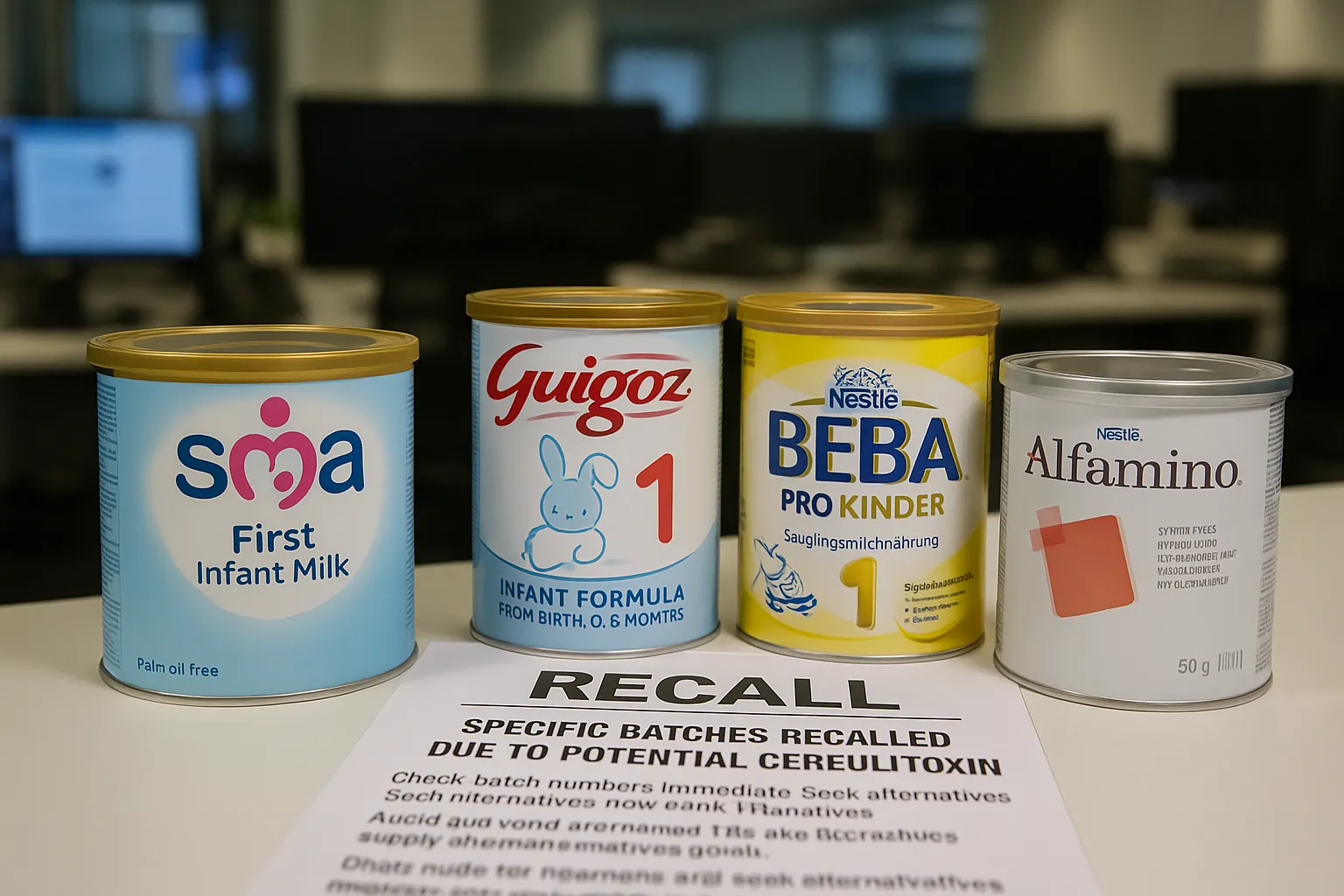
Nestlé has initiated a global recall of certain batches of its baby formula following concerns about the potential presence of cereulide, a toxin that could pose health risks to infants. This announcement was made on Monday and affects a range of products, predominantly its SMA infant and follow-on formulas, with brands including Guigoz, Nidal, Beba, and Alfamino specifically highlighted in European markets.
In a statement regarding the recall, the company emphasized, “The safety and wellbeing of babies is our absolute priority.” This proactive measure comes amidst rising concerns about cereulide, a toxin produced by Bacillus cereus bacteria, known to cause symptoms such as vomiting and abdominal pain. Notably, cereulide is not easily eliminated through standard food preparation methods, including boiling.
While there have been no reported illnesses linked to the recalled products thus far, Nestlé has chosen to act decisively based on potential risks stemming from a supplier’s ingredient. The recall effort is comprehensive, spanning multiple European nations such as France, Germany, Austria, Denmark, Italy, and Sweden, and extending globally to countries including Australia, Zambia, and Hong Kong.
Affected consumers are encouraged to look for batch codes located at the bottom of tins for powdered formulas or on the sides of packaging for ready-to-feed products. Nestlé has assured customers of full refunds upon the return of these items.
Jane Rawling, who oversees incidents at the UK Food Standards Agency (FSA), stated, “We are taking urgent action to remove affected products from sale.” Parents and guardians who have concerns about this recall are advised to consult their healthcare professionals or contact NHS 111 for guidance.
To facilitate the recall process, it is crucial for parents to check their purchases against the lists available on Nestlé’s UK website or the FSA’s food.gov.uk resources. Notable products under scrutiny include NAN Special Pro for babies aged 0-12 months in certain regions and Alfamino, which caters to infants with milk allergies. Fortunately, other Nestlé infant products remain unaffected by this issue, which the company acknowledged while apologising for the inconvenience caused to families.
Experts suggest that contamination may originate from a third-party supplier of ARA oil, which has been traced back to the affected batches. Understanding the implications of cereulide’s heat stability is essential, as it highlights the urgency in addressing this situation, given that infants are particularly vulnerable to foodborne illnesses.
Healthcare professionals are advised to watch for symptoms in young children, including consistent vomiting or stomach issues. Early consultation with health services can help prevent further complications. Retailers nationwide have begun to remove stock from their shelves as the recall gains momentum, with reports indicating that the recall could affect over 60 countries globally.
As part of its response, Nestlé is collaborating with health agencies, including Australia’s health department, to ensure the safety of consumers and manage the fallout from this incident. Refunds are guaranteed for anyone who has purchased the recalled products, provided they present proof of purchase.
In the wake of this announcement, many parents have taken to social media to share information about the affected batches, prompting increased vigilance and stock checks at local retailers. Nestlé has set up regional hotlines to assist consumers with inquiries and facilitate a smoother recall process.
The FSA has reassured the public that non-affected batches of Nestlé products are still safe for consumption. Nevertheless, the increased scrutiny from parents is palpable, with many seeking immediate alternatives for their infant feeding needs. As the situation develops, the public is encouraged to stay informed about updates regarding the recall and to approach trusted sources for the latest information.
In the broader context, this situation underscores the need for stringent quality control measures in food production, especially when it comes to products aimed at vulnerable populations like infants. Nestlé has acknowledged the situation as a wake-up call, vowing to enhance its supply chain oversight to prevent similar incidents in the future.
As this recall unfolds, it serves as a reminder of the importance of vigilance in consumer safety and the necessity for rapid response mechanisms in the food industry. Parents particularly concerned about their infants’ health must remain informed and proactive in their decision-making about feeding options during this recall period.
In summary, the recall of these infant formulas by Nestlé reflects an essential commitment to consumer safety, while also highlighting the critical role of regulatory agencies and food safety protocols in protecting public health amidst potential hazards. Parents are encouraged to take immediate action by checking their products and seeking medical advice if needed.
Our Thoughts
The Nestlé baby formula recall highlights several key safety lessons and regulatory breaches within UK health and safety legislation. To avoid such incidents, companies must implement stringent quality control measures throughout their supply chains, particularly when sourcing ingredients from third-party suppliers. The Food Safety Act 1990 mandates that food products must be safe for consumption, and the Assurance of Food Safety Regulations requires thorough testing and inspection of ingredients, which appears to have been overlooked.
Robust protocols for identifying and addressing potential contamination risks prior to product release could significantly mitigate such crises. Nestlé’s proactive recall demonstrates a commitment to consumer safety, but better preventive measures might have averted the need for such drastic action altogether.
Moreover, adherence to the Food Information Regulations 2014 regarding proper labeling and traceability is essential, ensuring that affected batches can be swiftly identified and removed from the market. Enhanced monitoring and responsive action plans for potential contaminants, like cereulide, would create a more resilient system for food safety, safeguarding vulnerable populations, especially infants.