

















Story Highlight
– New safety kitemark scheme aims to protect young workers.
– Health and Safety Executive praises the initiative’s importance.
– The i Paper’s campaign drives awareness of silicosis risks.
– Firms must comply with 16 safety measures to qualify.
– Scheme encourages consumer confidence in safe kitchen worktops.
Full Story
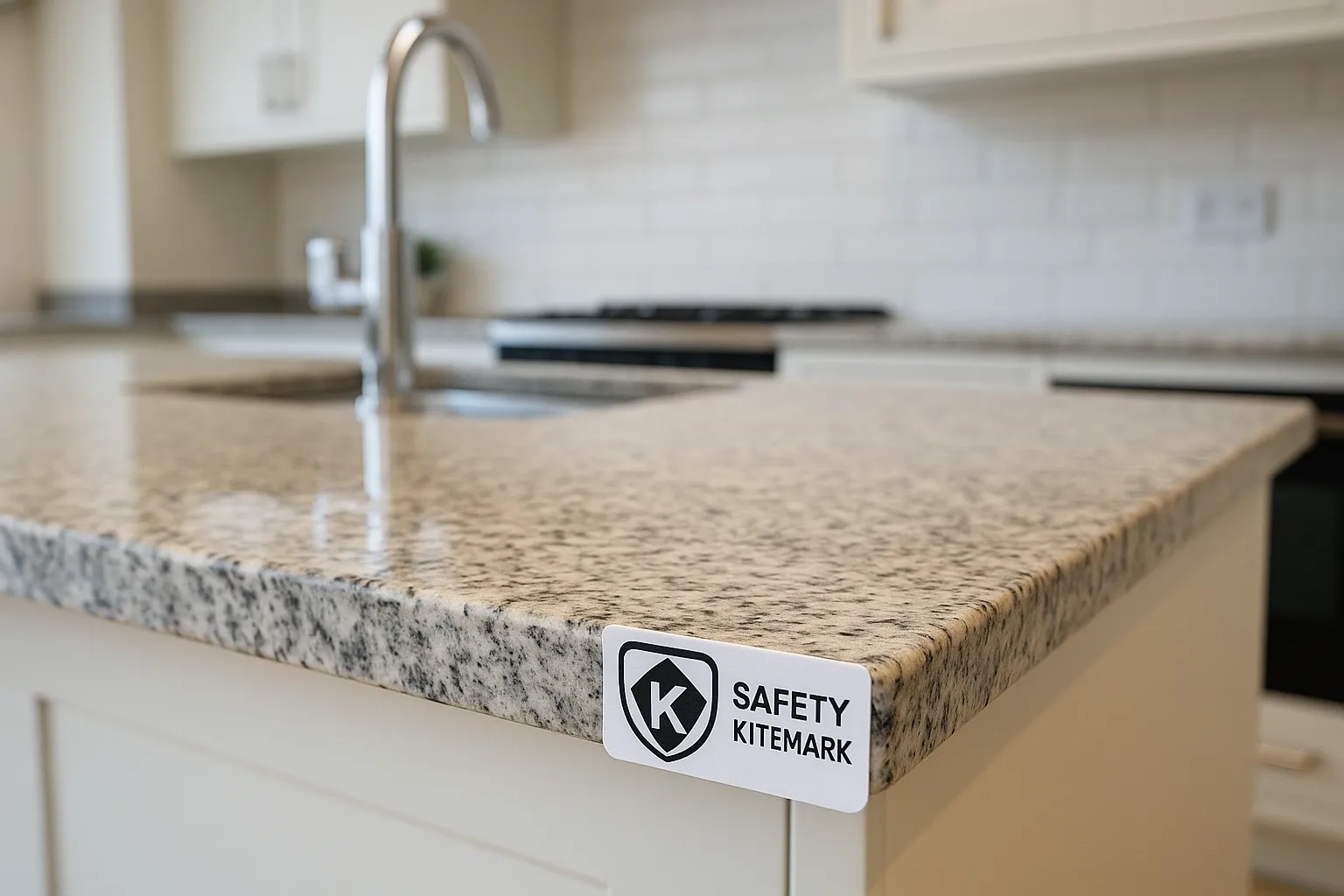
A new initiative aimed at enhancing safety standards in the kitchen worktop industry has received significant backing, lauded as a vital step towards protecting workers from silicosis. The Worktop Fabricators Federation (WFF) along with the British Occupational Hygiene Society (BOHS) has introduced a kitemark scheme, intended to assure consumers that kitchen work surfaces have been fabricated with safety in mind.
This move is in direct response to the alarming reports surrounding silica dust exposure, which were brought to the forefront by the Killer Kitchens campaign initiated by The i Paper. By highlighting the dangers associated with cutting engineered stone, the campaign has catalysed a fundamental shift in industry practices.
Kevin Bampton, the CEO of BOHS, remarked that the reporting by The i Paper regarding silica dust risks had significantly influenced the industry’s response to safety concerns. “I can’t imagine that the level of interest in parliament, in Government, in the HSE and within the industry would have been anywhere near what it is without The i Paper campaign,” Bampton stated, emphasising the critical role of media in instigating change.
The new kitemark scheme is designed to safeguard not just professional stonemasons, who face the highest risks, but also to empower homeowners by ensuring that their kitchen renovations do not compromise worker health. With an approved set of guidelines, firms will be mandated to adhere to strict safety protocols, particularly focused on controlling hazardous dust exposure.
Industry representatives, including those from Wren Kitchens and Howdens, acknowledge the urgency of this initiative. A deteriorating situation has emerged, where at least 45 tradesmen—averaging 31 years in age—have reported cases of innovative stone-induced silicosis in hazardous work conditions. Bampton stresses the new measures could effectively prevent further cases, indicating, “It will certainly save lives.”
Dr Johanna Feary, who manages the treatment of some of the UK’s first quartz silicosis patients at the Royal Brompton Hospital, has also commended the new scheme, calling it “a significant step forward for protecting workers’ respiratory health.”
The Health and Safety Executive (HSE) has echoed this sentiment, indicating that the kitemark represents an essential development in safeguarding public health. It gives consumers a way to ensure that kitchen worktops have been fabricated under safe conditions, combating the risk posed by cost-cutting practices that endanger worker welfare.
To ensure compliance, the WFF will implement comprehensive checks across participating firms. This includes mandatory water-assisted cutting methods to suppress hazardous dust, as well as annual safety inspections by accredited professionals. Worktops that pass these stringent safety checks will be awarded a kitemark, visibly reassuring consumers of their safety.
“We want people to be confident that the kitchen products they buy were made safely,” Bampton explained. A QR code will accompany each kitemark product, allowing consumers to verify that the materials come from manufacturers who comply with the newly established safety standards.
The kitemark scheme will be open to all WFF members and even non-affiliated firms, with an anticipated launch in April. The WFF has characterised the scheme as the first of its kind within the British manufacturing sector, representing a significant leap towards standardised health and safety practices.
In addition to ensuring safer fabrication methods, firms will be required to maintain detailed records of health checks and safety evaluations, creating a transparent system that guards against negligence. Participants are also expected to avoid using materials with silica content exceeding 70%, further reducing potential health risks.
Nigel Fletcher, spokesperson for the WFF, has underscored the need for greater regulation within the industry. “This will be the first step in establishing best practices that can lead to improved professionalism in the sector,” he asserted.
Furthermore, heightened awareness among stonemasons regarding the dangers of silicosis has prompted some workers to leave companies failing to comply with adequate safety standards. Fletcher notes a shift in worker sentiment toward demanding safer practices, a change that further illustrates the growing recognition of the issue across the industry.
Dr Feary emphasised the scheme’s potential not only to mitigate future workplace illnesses but also to enact early identification of at-risk individuals. “This initiative focuses on education, effective exposure control, and timely health surveillance—a significant leap for respiratory health,” she stated.
In unison with these advancements, calls for additional policy reforms remain critical. The Killer Kitchens campaign is advocating for a comprehensive ban on unsafe cutting practices, combined with the introduction of mandatory workplace health tests. It urges the establishment of a national database to monitor cases of silicosis and enhance health surveillance for workers engaged in quartz cutting.
Rick Brunt, a director at HSE, welcomed this initiative, asserting the importance of industry-led movements that enhance workplace standards and facilitate compliance with existing health and safety regulations. As calls for increased government funding for health and safety inspections grow louder, stakeholders express the urgency for initiatives to protect workers from avoidable health risks imposed by companies prioritising cost over safety.
As the kitemark scheme prepares for rollout, the overarching hope is that it can act as a model for transformative practices across various sectors, ensuring that considerations of labour safety and consumer protection go hand in hand.
Our Thoughts
The introduction of a new kitemark scheme for kitchen worktop fabrication highlights significant safety oversights that contributed to silicosis cases among UK workers. To prevent such incidents, stricter adherence to the Control of Substances Hazardous to Health Regulations (COSHH) is essential. This includes implementing effective dust control measures, such as mandatory wet cutting, as established in the new guidelines. Prior to this initiative, a lack of compliance with COSHH likely resulted in inadequate protection for workers exposed to silica dust.
Furthermore, while this scheme aims to enhance industry standards, the Health and Safety Executive (HSE) should prioritize better enforcement of existing regulations and support necessary funding for inspections. Legal requirements for health surveillance and training on silica risks, as outlined in relevant health and safety laws, should have been established and enforced more rigorously to protect workers earlier.
Lastly, raising awareness about the dangers of using high-silica materials, alongside mandatory health screenings for at-risk workers, could mitigate future health risks associated with silicosis. Implementing these measures can significantly reduce occurrences of occupational diseases in the fabrication sector.