
















Story Highlight
– New safety kitemark scheme for kitchen worktops launched.
– Campaign drives awareness of silicosis risks among workers.
– Health and Safety Executive praises significant industry move.
– Workers required annual safety checks and health surveillance.
– Initiative aims to protect stonemasons from toxic silica dust.
Full Story
A new safety initiative aimed at protecting workers from the dangers of silicosis is being instituted in the kitchen worktop industry, following the efforts of The i Paper and their campaign, Killer Kitchens. The newly introduced kitemark scheme will provide homeowners with assurance that their work surfaces have been fabricated under safe conditions, particularly to safeguard young stonemasons from the hazardous effects of silica dust.
The Worktop Fabricators Federation (WFF), a representative body for approximately 100 companies, alongside the British Occupational Hygiene Society (BOHS), have jointly developed a comprehensive set of safety guidelines that are being hailed as groundbreaking for British manufacturing. Both organisations believe this new framework marks a significant milestone in the industry, enhancing safety standards and protecting workers from life-threatening illnesses.
Kevin Bampton, the chief executive of BOHS, expressed gratitude towards The i Paper for highlighting the risks associated with silica dust through its reporting. He emphasised that the campaign has undoubtedly heightened awareness amongst lawmakers, industry players, and regulatory bodies, leading to a proposal that will “certainly save lives.”
“I can’t imagine that the level of interest in parliament, in Government, in the HSE and within the industry would have been anywhere near what it is without The i Paper campaign,” Bampton stated, underscoring the campaign’s influence on the discussions surrounding workplace safety.
The WFF, which includes notable industry players like Wren Kitchens and Howdens, expects that the kitemark initiative will not only safeguard the workers involved in the production of engineered stone but also provide peace of mind for consumers renovating their kitchens. This is particularly crucial given the ongoing concerns about silica exposure, which has led to the diagnosis of silicosis, an incurable lung disease, among a concerning number of stonemasons in the UK.
Dr Johanna Feary, a medical professional at the Royal Brompton Hospital who has treated patients diagnosed with quartz silicosis, regarded the new kitemark scheme as a vital advancement in the quest to enhance respiratory health for workers. The recent emergence of silicosis cases linked to the cutting of high-silica quartz surfaces has raised alarms, prompting this proactive approach within the industry.
According to the HSE, the adoption of the kitemark represents a meaningful step forward in regulating workplace safety. Following The i Paper’s exposure of silicosis cases last year, evidence reveals that 45 tradesmen, predominantly in their early thirties, have developed silicosis after working in environments that lacked adequate safety measures.
Bampton highlighted the potential effectiveness of the new kitemark, stating that it will likely prevent tragic instances of accelerated silicosis that have resulted in hospitalisations and even lung transplants for young men. He stressed, “It will certainly save lives,” while also hoping it would incentivise regulatory bodies to scrutinise firms that fail to prioritise worker safety.
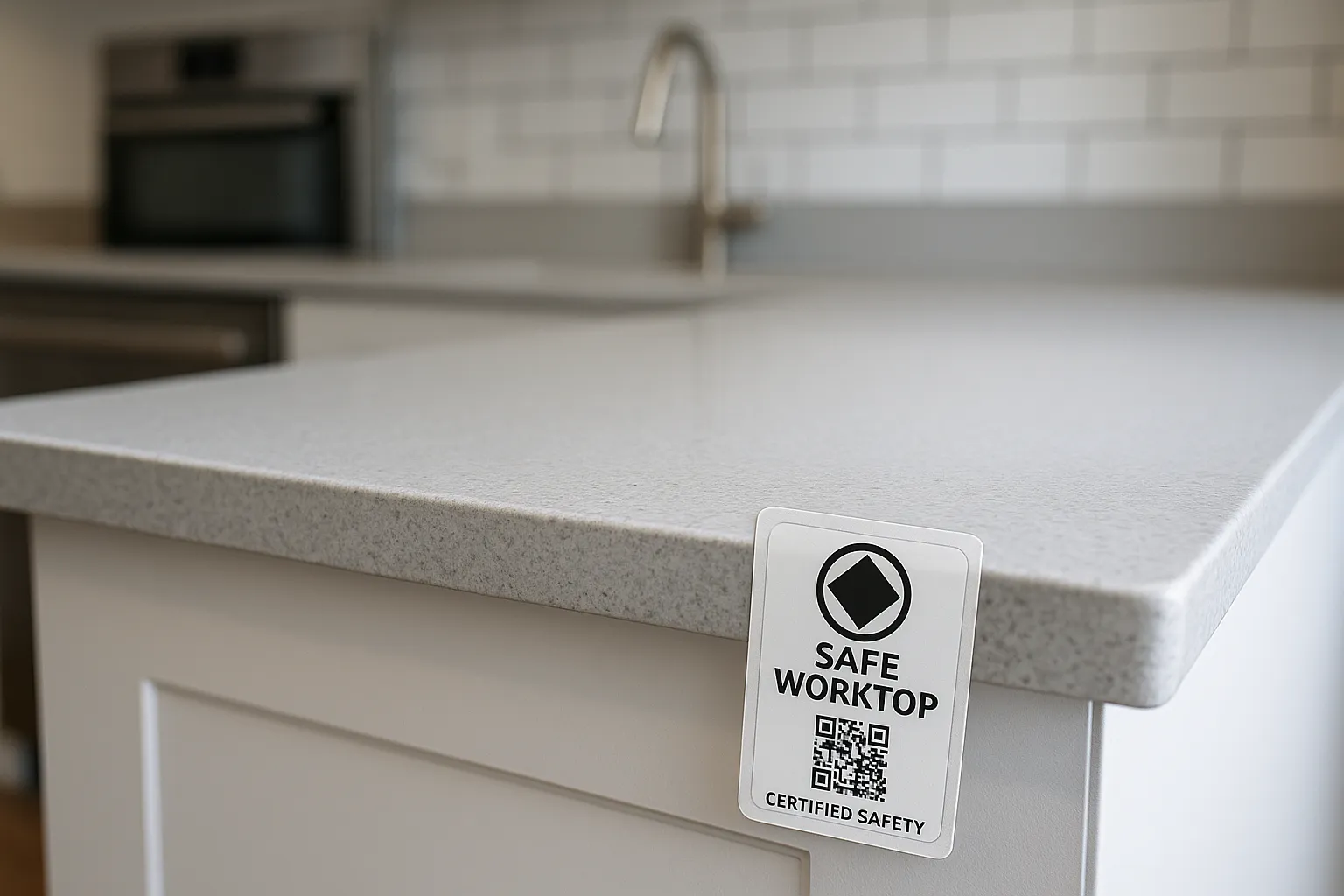
Under the new framework, materials will be clearly labelled with a kitemark symbol, reassuring consumers that they are purchasing products that have been fabricated in compliance with established safety protocols. This is particularly relevant given the historically variable quality of worktops in the market, where lower-cost options could often come with significant health risks.
Nigel Fletcher, representing the WFF, shared his views on the scheme’s importance, noting that it lays the groundwork for better regulation and best practices in the industry. He remarked, “This will be the first step to having some sort of regulation that identifies best practice. This is just the start of us bringing in greater professionalism into the industry.”
Firms enrolled in the new kitemark scheme will be held to 16 stringent safety measures, including mandatory “wet” cutting techniques that minimise airborne dust and annual safety audits conducted by certified occupational hygienists. Only after these assessments will products be eligible for the coveted kitemark, providing an extra layer of assurance for consumers.
To further enhance transparency, each kitemarked worktop will feature a QR code linking consumers to the WFF website. This will allow them to verify the legitimacy of the product and the adherence to safety protocols by the manufacturing company.
It is anticipated that the kitemark scheme will roll out by April, with a unique logo forthcoming to represent this important initiative. The WFF has emphasised that companies must comply with the rules of the scheme, which includes operating with water suppression systems during cutting, regular equipment inspections, and rigorous record-keeping to ensure workers’ safety.
The introduction of the kitemark is also seen as a proactive measure to improve health surveillance among workers, steering the industry towards early detection and intervention for those at risk of developing silicosis. Dr Feary remarked on the potential impact of such initiatives, stating, “Schemes like this have the potential not only to reduce future disease, but to identify people at risk earlier, when interventions can still make a meaningful difference.”
The observable shift in safety culture among stonemasons over the past year, following increased awareness of silicosis risks, has been encouraging. Workers are reportedly leaving firms that neglect safety protocols, seeking employment with more responsible employers. Fletcher noted, “There will always be those white van man types that don’t care about their staff. They will buy cheap, handle it cheaply, without any warranty and guarantee, and just do the job.”
Calls for comprehensive regulations to address the mishandling of silica dust have grown louder. The Killer Kitchens campaign has outlined several proposals, including a ban on unsafe cutting practices, enhanced health surveillance, and the mandatory reporting of silicosis as a legally reportable disease.
Rick Brunt, director of engagement and policy at HSE, endorsed the initiative, asserting, “We welcome industry initiatives that improve standards for workers and support those responsible to meet the expectations set in health and safety law.”
As the kitemark scheme begins to take shape, it represents a pivotal moment for the kitchen worktop sector, providing a vital framework to protect workers while ensuring the safety of consumers in their home renovations.
Our Thoughts
The article highlights significant safety breaches in the kitchen worktop fabrication industry, particularly regarding exposure to silica dust, which has resulted in cases of silicosis among young workers. To avoid such incidents, stricter adherence to existing regulations under the Health and Safety at Work Act 1974 and Control of Substances Hazardous to Health Regulations (COSHH) should be enforced. Key lessons include the necessity of implementing mandatory “wet” cutting methods and regular health surveillance to minimize dust exposure.
The lack of effective controls and monitoring by employers signifies a failure to comply with HSE guidelines concerning the safe handling of silica-containing materials. Introducing a safety kitemark scheme, as recognized in the article, can bolster compliance and provide consumers with assurance regarding safety standards.
To prevent similar incidents in the future, it is crucial to ensure that firms are regularly inspected, trained on silica risks, and that safety measures are robustly enforced. The proposed tougher regulations on dry cutting and mandatory health checks, as well as making silicosis a reportable disease under RIDDOR, are also vital steps towards improving worker safety in this high-risk industry.