

















Story Highlight
– New weight limit of 19.5 stone for offshore workers.
– 2,227 workers exceed the limit as of 2024.
– Regulation aims to improve emergency evacuation safety.
– Union leaders criticize potential cost-cutting motivations.
– OEUK to provide resources for affected employees’ transition.
Full Story
Plans to implement new weight regulations affecting offshore oil workers in the North Sea are set to take effect on November 1, 2026. The guidelines, established by Offshore Energies UK (OEUK), stipulate that workers exceeding 19.5 stone (124kg), including their work equipment, will be prohibited from offshore duties. This policy is projected to impact approximately 2,227 offshore employees, as recorded in 2024.
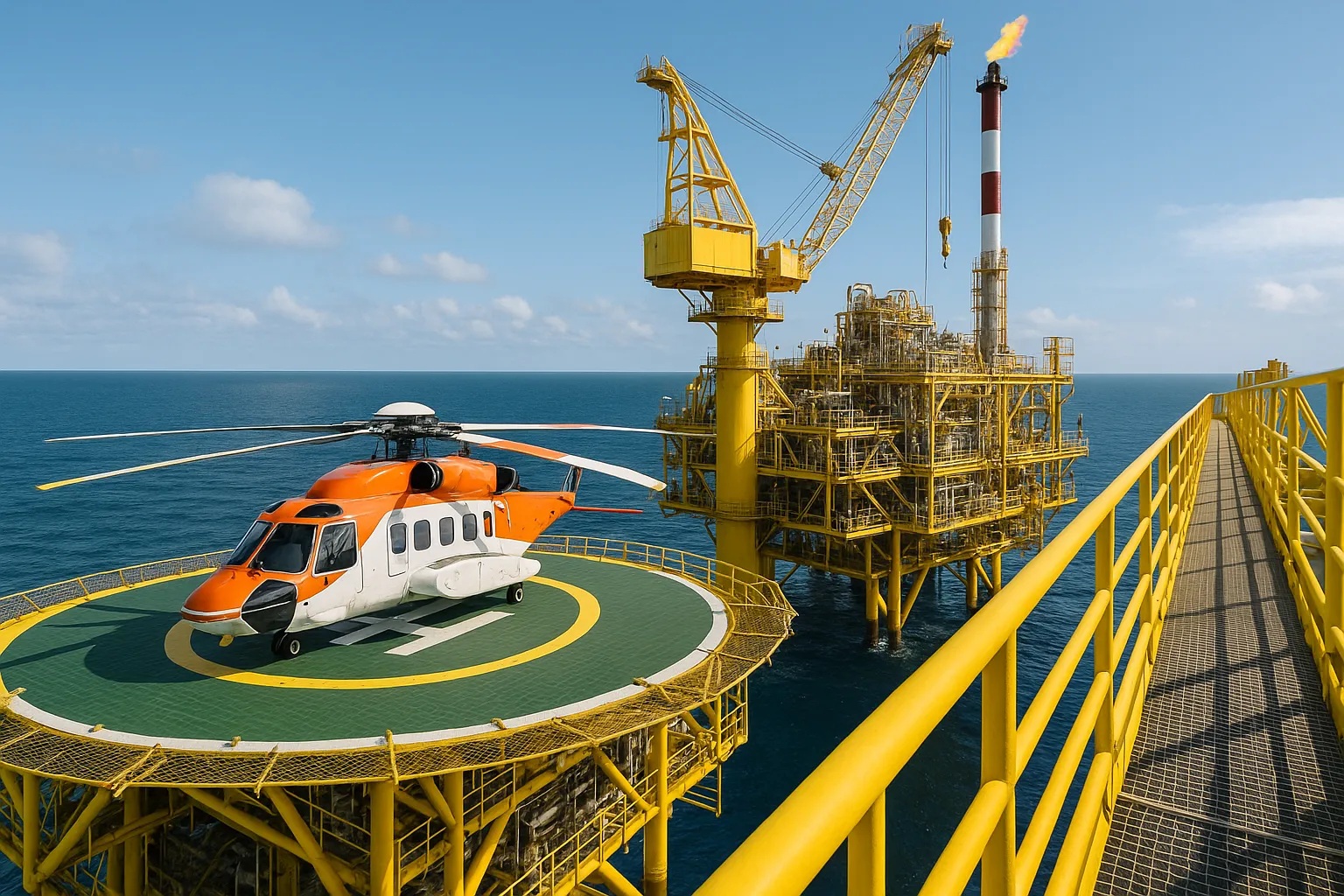
The regulation is primarily introduced in response to safety concerns highlighted by the Maritime and Coastguard Agency (MCA), particularly regarding the capacity of Search and Rescue (SAR) winching systems. These systems are designed to lift individuals below the prescribed weight limit, prompting the need for careful consideration of safety measures during emergency situations such as helicopter transfers and evacuations at sea.
Under the new framework, individuals surpassing the 19.5 stone threshold will have their OEUK medical certifications revoked, effectively grounding them from offshore operations. Additionally, workers whose weight falls between 18 and 19.5 stone (115–124kg) will receive restricted certificates, which will only be valid for a limited duration of three or six months.
Graham Skinner, the Health and Safety Manager at OEUK, addressed the rationale behind the implementation of these changes. He stated, “We are committed to ensuring all offshore teams have the information and resources they need to work safely. These new materials, developed in consultation with industry partners and HM Coastguard, underline our focus on creating a robust safety culture across the sector.”
Despite the intentions to enhance safety, the announcement has sparked dissent among union representatives. Critics argue that the regulations may serve as a pretext for reducing workforce numbers under the guise of maintaining safety standards. Ann Joss, the Scottish Organiser for Offshore Workers at the RMT union, expressed her concerns regarding the new weight limitations. She noted that while there are potential safety benefits from improved weight standards—for instance, ensuring that lifeboats and survival equipment remain within certified testing limits—there are apprehensions regarding the application of these rules.
Joss commented, “On one hand, improved weight standards can enhance safety by ensuring lifeboats, helicopters and survival equipment are used within proper testing limits, making emergency responses more predictable and effective. However, there are real concerns about how these rules are being applied and many offshore workers believe this policy is less about safety and more about cost-cutting—a backdoor way to shed skilled staff. RMT will vigorously oppose any moves by any company that hides behind health and safety language to quietly get rid of workers on the cheap.”
To support the transition to these new regulations, OEUK is initiating stakeholder workshops aimed at educating offshore personnel about the changes. Additionally, a variety of resources are being developed, including a workforce video that will be released shortly. Throughout 2026, a transition phase will be established to assist affected employees, offering medical guidance, resources for workforce engagement, and initiatives promoting healthy eating and weight management practices.
As the industry prepares to implement these new regulations, many workers remain alert to the potential implications on their employment and the operational landscape of offshore safety practices. The ongoing dialogue between OEUK and industry stakeholders, including unions, is crucial in ensuring that the changes reflect a balance between safety enhancements and job security for the thousands involved in North Sea oil operations.
The upcoming policy indicates a significant shift in the approach to safety within the offshore sector, raising questions about the balance between operational safety, staffing levels, and the overall working conditions of those in the industry. Stakeholders will be closely monitoring the effects of these new weight regulations as the implementation date approaches.





Safety must come first, but it also has to be fair and practical. Limiting weight for evacuation safety is understandable, yet imposing a hard threshold without clear evidence of necessity and without robust support for affected workers risks workforce loss and resentment. Employers and regulators should publish the data and risk assessments that justify the 19.5 stone limit, explore reasonable accommodations and alternative evacuation measures, and provide funded medical, fitness and redeployment pathways well before the deadline so people are not left facing sudden job loss. Transparent consultation with unions and independent safety experts is essential to get the balance right.
Safety must be taken seriously, but policy should be proportionate and fair. If the evacuation rationale is sound and supported by robust evidence the industry should implement measures to protect everyone offshore. At the same time employers and regulators need to provide realistic transition support including medical assessment pathways redeployment options and retraining where necessary so people are not unfairly pushed out of work. Open transparent consultation and clear timelines will help build trust and avoid the perception that safety rules are being used to reduce costs.
Safety must be the priority offshore but implementation needs to be fair and practical. Weight limits can improve evacuation outcomes, however any policy change should be supported by clear evidence, a reasonable transition period and genuine support for workers who will be affected. That support should include medical assessment pathways, tailored fitness and weight management programmes, redeployment options where possible and consideration of adjustments to equipment and procedures to reduce exclusion. Open dialogue with unions, independent clinical review and transparent reporting on the safety case will help ensure the measure protects lives without unnecessarily costing jobs.
Safety must be the priority, but implementation needs to be fair and practical. If evacuation systems cannot safely accommodate higher weights, operators should provide clear evidence and timelines for necessary equipment upgrades so workers are not unfairly forced out. Support for affected staff should include funded medical assessments, tailored fitness to work programs, and redeployment options where possible. Regulators, employers and unions must engage transparently to balance genuine safety requirements with job security and to avoid measures that simply shift costs onto the workforce.