














Story Highlight
– New £17 fee for traveling to Europe starts late 2026.
– Four-bin recycling system implemented across England from 2026.
– Junk food ads banned on TV before 9pm starting January.
– New rights for renters include no-fault eviction ban.
– Minimum wage increases for all ages starting April 2026.
Full Story
As the new year approaches, a range of significant legislative changes are set to affect life in the UK. Britons should prepare for new border regulations, changes in workplace laws, and adjustments to waste management practices among other developments. Here’s a detailed look at what these new laws entail and their implications.
### Border Regulations and Travel Costs
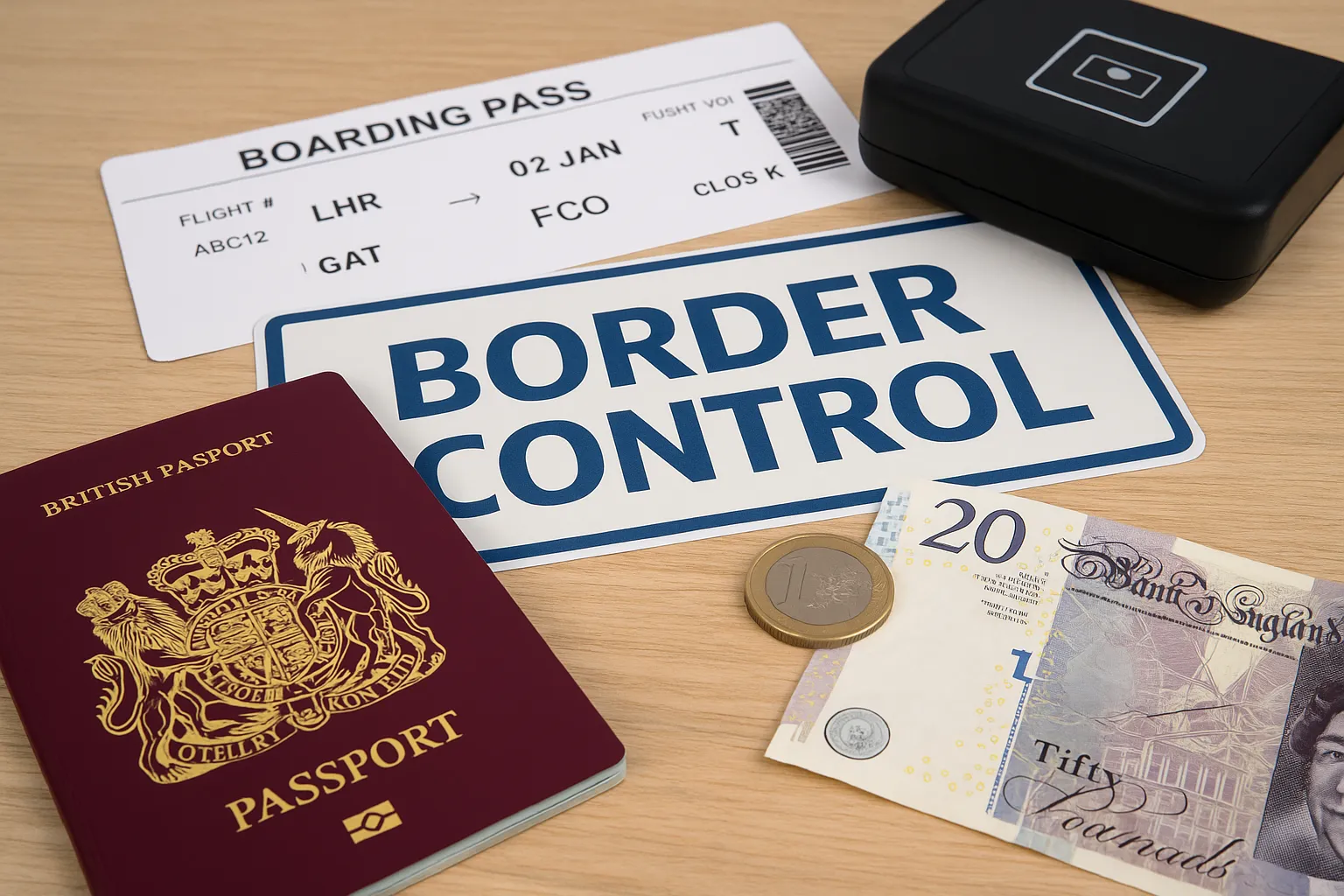
Commencing in 2025, new border controls for Britons travelling to Europe have already been initiated, with further changes expected through 2026. A notable system, known as the Entry Exit System (EES), will require non-EU citizens—including UK passport holders—to register upon arrival in the EU. This includes scanning their passport and providing biometric data, such as fingerprints and photographs. While the EES is designed for those visiting Schengen zone countries like Norway and Switzerland, it will not apply for trips to Ireland and Cyprus.
The rollout of the EES began in October 2025 and will be phased in across various ports until April 2026. Importantly, there is no advance action required from travellers prior to their journey; however, they will face a new fee as of late 2026 with the introduction of the European Travel Information and Authorisation System (ETIAS). This system will impose a fee of €20 (approximately £17) for adults younger than 70, valid for three years upon payment. Unlike the EES, travellers will need to apply online ahead of their trips.
In parallel, from February 25, 2026, visitors from 85 countries, including the USA and Canada, will be required to obtain an Electronic Travel Authorisation (ETA) to enter the UK. This digital authorisation system, which has seen over 13 million applications since its introduction, will enhance border security. Applications can be made via an official UK app for a fee of £16.
### Recycling Reforms
In an effort to improve recycling rates, the UK government is implementing significant changes to waste management. Starting from March 31, 2026, every household in England will be required to use four separate bins for waste disposal: food and garden waste, paper and cardboard, dry recyclable materials such as glass and plastic, and non-recyclable landfill waste. This initiative aims to streamline the recycling process while educating the public on recyclable materials.
Steve Cole, managing director at Biffa Municipal, commented on the changes, stating that “Simpler Recycling” will clarify the waste sorting process, making it straightforward for households to dispose of their waste appropriately. Additionally, from March 2027, the collection of plastic film packaging and bags will also be mandated under these new rules.
### Junk Food Advertising Ban
A move to combat childhood obesity, a ban on junk food advertisements targeting children will come into effect in January 2026. Following a voluntary reduction in such advert placements since last October, the full ban will restrict the promotion of foods high in fat, sugar, or salt (HFSS) on television and digital platforms during certain hours. However, outdoor advertising mediums are exempt from this prohibition.
The restrictions will apply to various products that significantly contribute to childhood obesity, including sugary beverages, chocolates, and fast foods. As part of this initiative, the government hopes to encourage the food industry to reformulate products to align with health standards.
### High-Caffeine Drink Regulation
Alongside the ban on junk food advertisements, the government has proposed prohibiting the sale of high-caffeine energy drinks to individuals under the age of 16. This measure, announced in September, aims to mitigate health risks associated with these beverages. Data suggests that around 100,000 children consume a high-caffeine drink daily. If implemented by 2026, this legislation could potentially prevent obesity in thousands of children and bring considerable health benefits.
### Employment Law Changes
A comprehensive shake-up of employment laws is on the horizon, with several changes set to roll out from April 2026. The new Employment Rights Act, which recently received Royal Assent, is expected to positively impact approximately 15 million workers. Standout measures include improved rights regarding sick leave and parental leave, effective from the first day of employment. Statutory sick pay will be extended, with the waiting period eliminated, allowing employees to claim from their initial day of work.
Additional changes will restrict the use of the controversial “fire and rehire” tactic, ensuring job security for workers. Other anticipated reforms will tighten regulations on tipping, enhance protections against workplace harassment, and bolster support for trade unions.
### Changes in Rental Rights
Significant reforms are planned for private renters soon, with new legislation aimed at improving security and rights, coming into effect on May 1, 2026. Notably, tenants will no longer be susceptible to no-fault evictions, while landlords will be obligated to adhere to fair practices regarding rent increases and tenancy agreements. This is designed to enhance the rental landscape, ensuring stability for tenants.
Additionally, the legislation aims to deter discrimination against tenants with children and those on benefits. The government intends to release guidance materials to help renters navigate these changes, which will contribute to fairer rental conditions across the sector.
### Ticket Resale Regulation
On the entertainment front, new regulations will outlaw the resale of event tickets for more than their original price, a decision aimed at tackling ticket touting. This legislation is anticipated to lower costs for genuine fans significantly and improve access to original tickets. Business Secretary Peter Kyle emphasized the necessity of such measures to ensure that regular supporters can enjoy live event experiences at fair prices.
### Future Legislative Directions
Looking towards 2027 and beyond, a series of expansive legislative efforts are in development, ranging from tackling plastic pollution through a ban on wet wipes containing plastic, to more stringent security measures for large venues in response to terrorist threats. The ongoing discussion surrounding assisted dying legislation will also be pivotal, with significant debates expected as Parliament weighs public sentiment against ethical considerations.
As these changes unfold, the UK is poised for a transformative period that seeks to enhance public health, environmental sustainability, and social welfare across various sectors. Keeping aware of these upcoming adjustments will help residents navigate the evolving landscape effectively.
Our Thoughts
The article outlines extensive changes to UK regulations, but no specific safety incident is detailed. Therefore, there are no direct lessons or regulatory breaches to analyze. However, potential implications for health and safety professionals include ensuring compliance with the new workplace rules and employee protections when they come into effect, as well as adapting to the expectations of upcoming regulations like Awaab’s Law concerning housing safety.
To prevent potential issues similar to past incidents (e.g., Awaab Ishak’s tragic case), landlords and property managers must be vigilant in addressing reported hazards promptly. Moreover, employers should prepare for the new Employment Rights Act provisions to enhance worker safety and well-being, aligning with the Health and Safety at Work Act 1974, which mandates providing a safe working environment.
As the EES and ETA regulations roll out, transport operators must ensure compliance to prevent unlawful travel practices and safeguard passengers. Overall, increased vigilance and adaptation to these evolving regulations are crucial to mitigate risks and ensure compliance with UK health and safety legislation.