










Story Highlight
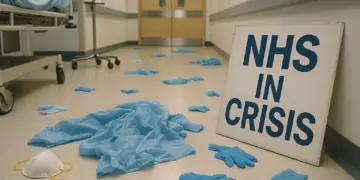
– Serious care failings reported in NHS across UK in 2025.
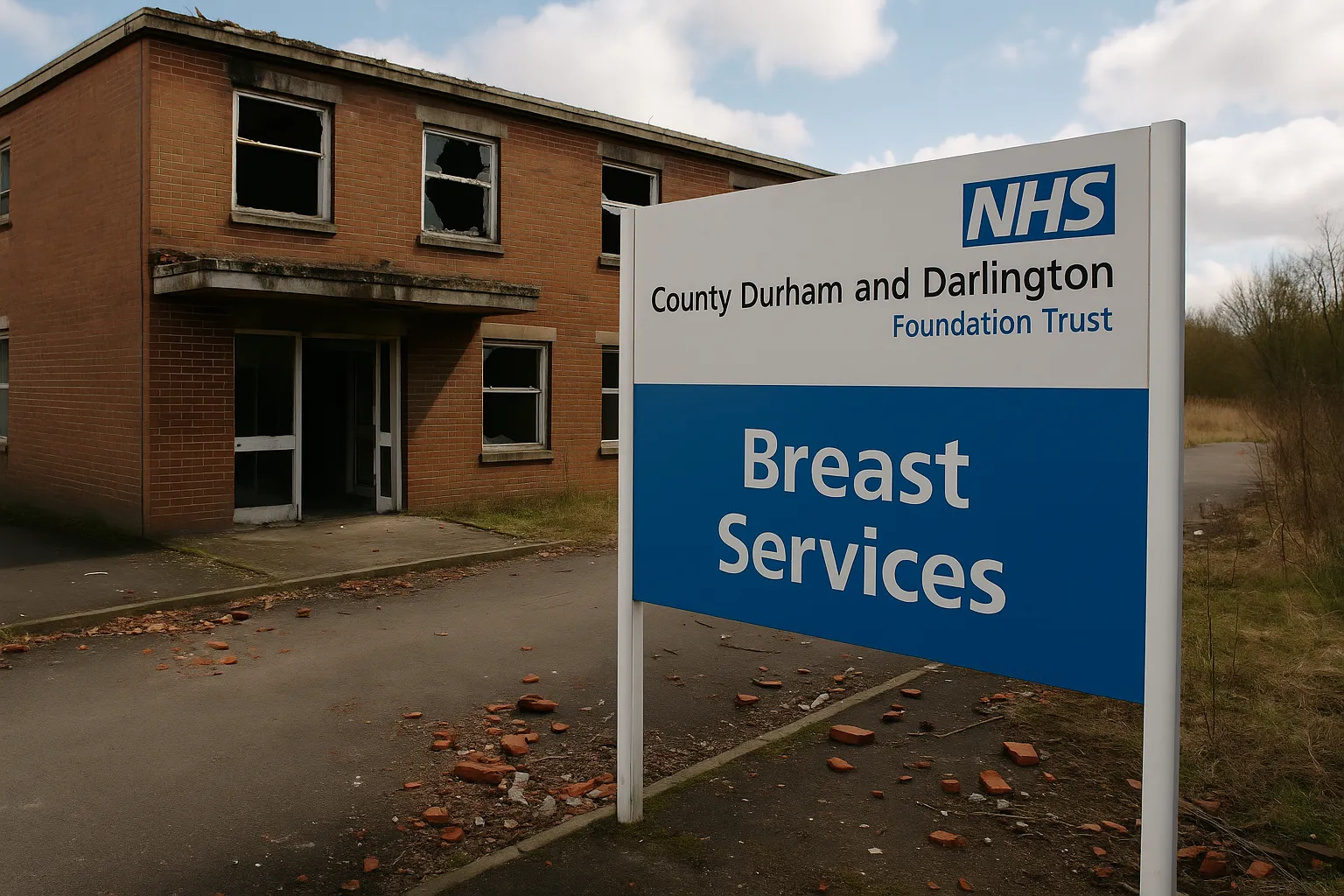
– Breast cancer care investigation in County Durham revealed horrors.
– Heart surgery failures at Freeman Hospital linked to deaths.
– Public inquiry initiated for mental health care issues.
– Families demand justice after tragic loss of loved ones.
Full Story
### NHS Scandals in 2025: A Year of Heartbreak and Seeking Justice
The National Health Service (NHS) in the UK has faced significant scrutiny throughout 2025, amid distressing revelations regarding care failures. While the healthcare professionals in the North East region are known for their dedication, recent incidents have sparked widespread concern and demanded urgent attention.
From failures in breast cancer care in County Durham to issues surrounding heart surgeries on Tyneside and deficiencies in mental health services, 2025 has witnessed several high-profile situations that have left families grappling with the consequences. In each case, those affected are yearning for clarity and accountability as they look towards the new year for resolution.
#### Breast Cancer Care Failings in County Durham
In April 2025, leaders at the County Durham and Darlington NHS Trust initiated an investigation into potential shortcomings in the delivery of breast cancer services. This move followed external reports that had raised significant alarms regarding care practices. By July, the investigation revealed alarming deficiencies in how the trust was managing breast cancer treatments.
Patients faced detrimental outcomes, including undergoing unnecessary extensive surgeries and being denied essential chemotherapy and reconstructive procedures. The trust announced a “look-back” initiative to contact patients affected by their care’s inadequacies.
In a sobering conclusion to the year, an independent report led by governance expert Mary Aubrey detailed systematic failures dating back to 2012, highlighting a lack of accountability in outsourced services and “very serious failures” in patient care. Many women came forward to recount their distressing experiences, sharing stories of misdiagnoses, unnecessary surgical interventions, and inadequate support during perilous times. One woman described undergoing surgery unprepared and another revealed she had been incorrectly told that a malignant lump was benign, allowing the cancer to metastasise.
In response to these revelations, newly appointed chief executive Steve Russell and interim chair Alison Marshall expressed profound regret over the trust’s failings. Russell stated, “Reading this report and hearing the experiences of women and their families who were harmed has been profoundly upsetting. We failed to provide the standard of care our patients deserved, breached their trust, and for that, I offer my unreserved apology.”
#### Cardiac Surgery Concerns at the Freeman Hospital
The Freeman Hospital, renowned for its cardiothoracic unit in Newcastle, also found itself embroiled in controversy this year. An investigation revealed alarming lapses by a heart surgeon, resulting in the deaths of seven patients. The issues became public in October when Ian ‘Beano’ Philip, a 54-year-old father from Blyth, tragically died following a routine heart valve repair.
Legal representatives from Hudgell Solicitors revealed that had appropriate surgical measures been taken, Philip’s death could have been averted. Concerns from colleagues about the surgeon’s performance, with twenty-two alarming cases reported between 2018 and 2021, added fuel to the scrutiny surrounding the hospital.
While Newcastle Hospitals NHS Trust acknowledged the complexities and risks inherent in cardiac procedures, they assured the public that robust investigations were underway to address raised concerns. Although the department’s overall performance remained at or above national averages, specific investigations highlighted areas requiring improvement. In a notable case, eight patients were reported to have suffered avoidable harm during complex surgeries due to unforeseen events.
Moreover, families of patients who received heart assist devices raised further issues when they discovered that their loved ones had been given an inferior ventricular assist device known as the HVAD. This device, known for its less favorable outcomes compared to alternative options, allegedly should have been replaced sooner, leading to tragic consequences. Hospital authorities stated that the decision to continue using the HVAD had been based on thorough evaluations of existing data, although the device was finally withdrawn after the manufacturer raised concerns regarding safety.
#### Mental Health Care Failures at Tees, Esk and Wear Valleys NHS Trust
Ongoing concerns about mental health care standards have risen from families highlighting their tragic experiences within the Tees, Esk and Wear Valleys NHS Trust. In December, Health Secretary Wes Streeting announced a public inquiry into these issues, bringing much-needed attention to long-standing complaints regarding the treatment of mental health inpatients.
The inquiry follows the heartbreaking deaths of three teenage girls—Christie Harnett, Emily Moore, and Nadia Sharif—who succumbed to their struggles while receiving care from the Trust in early 2020. Investigations revealed 119 failures in care, sparking outrage and highlighting systemic issues within mental health services for vulnerable young individuals.
Streeting expressed gratitude to families who bravely shared their stories, acknowledging that the care provided fell far short of acceptable standards and promising a thorough investigation into past failings. He remarked, “Everyone receiving mental health care should get safe, high-quality care and be treated with dignity and respect.”
As 2025 comes to a close, these three areas—breast cancer care, cardiac surgery, and mental health services—have brought to light the critical need for reforms and accountability within the NHS. Families are left anxiously awaiting the outcomes of inquiries and assurances that lessons have been learned to prevent further tragedies in the future.
Our Thoughts
The incidents described highlight significant failings in governance, accountability, and adherence to best practices across various NHS trusts in the UK. Key lessons include the necessity of effective communication mechanisms to ensure early warnings and concerns are acted upon, as seen in the breast cancer care case where issues were identified but ignored for years. The NHS trusts breached several Health and Safety at Work Act (1974) principles, including the provision of safe, effective treatment and the duty of care owed to patients.
To prevent similar incidents, it is crucial to implement robust quality assurance frameworks and regular training on clinical best practices for all healthcare professionals. Establishing a culture that encourages staff to raise concerns without fear of repercussions could foster improvements in patient safety, addressing systemic issues highlighted by the reports. Regular audits and compliance checks against established protocols, aligned with guidance from regulatory bodies like the Care Quality Commission, can further ensure that health services meet safety standards.