













Story Highlight
– Resident doctors to strike from December 17-22.
– NHS faces holiday disruption amid flu epidemic surge.
– Government’s offer to doctors was rejected on December 15.
– Pay issues and job competition fuel ongoing disputes.
– Critical services will be prioritized during the strike.
Full Story
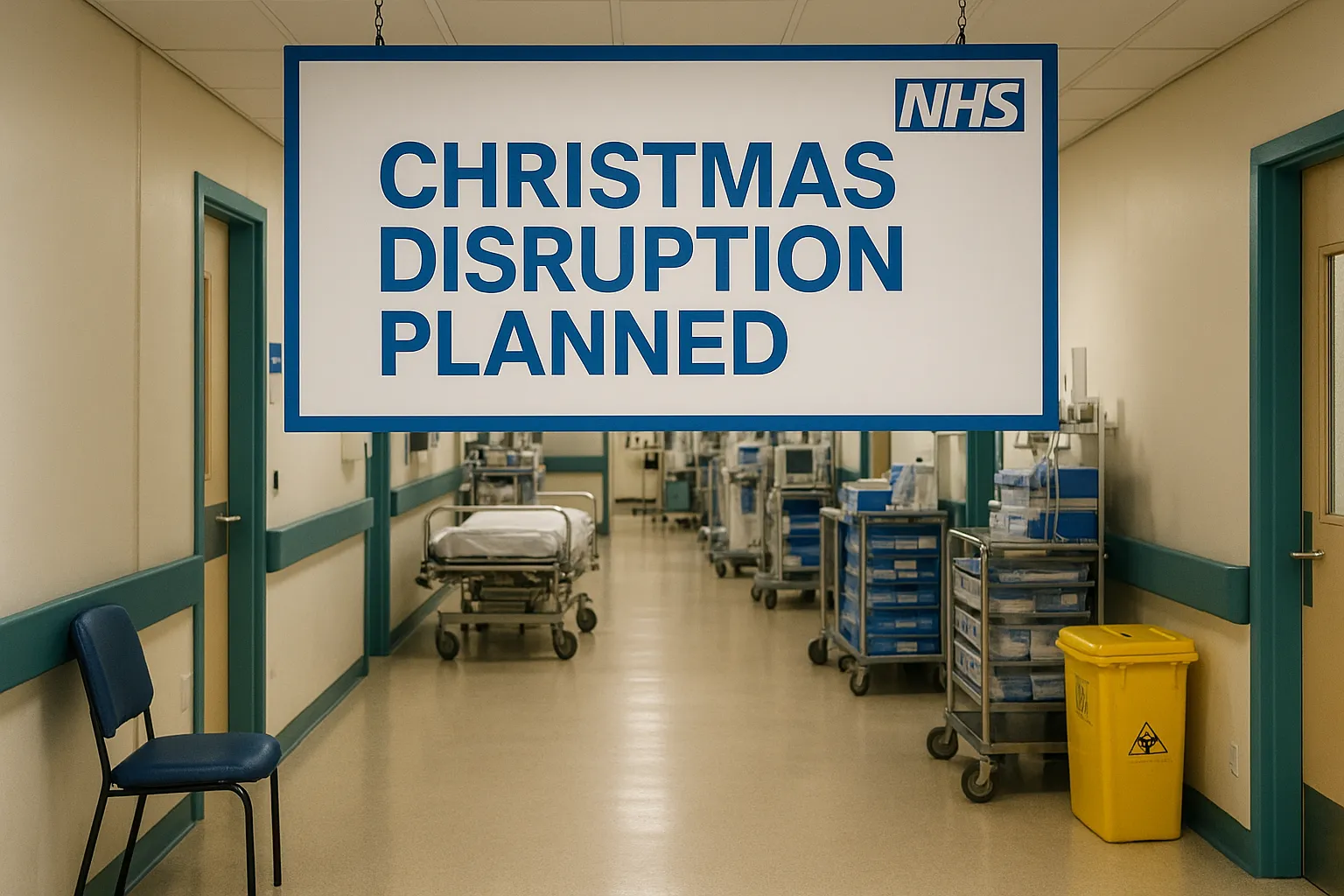
The National Health Service (NHS) is bracing for considerable disruption as resident doctors prepare to strike in the lead-up to Christmas. The walkout, confirmed to commence at 7:00 am on Wednesday, 17 December, and conclude at 7:00 am on Monday, 22 December, arrives at an especially challenging time. The NHS is currently facing a significant flu outbreak alongside the typical winter pressures that stress the health service.
Government officials have voiced profound disappointment regarding the planned industrial action, which is being coordinated by the British Medical Association (BMA). The BMA, which acts on behalf of these doctors, decided to proceed with the strike after negotiations with the government collapsed. The Department of Health and Social Care (DHSC) has indicated that the timing of the walkout appears designed to inflict the most considerable disruption possible during a crucial festive period. This raises concerns given the already overwhelmed NHS grappling with a surge in flu cases.
This strike will mark the third instance of industrial action by resident doctors in 2025, following earlier walkouts that occurred in July and November. The Health and Social Care Secretary had previously implored the BMA to postpone any upcoming strikes until January to safeguard patient welfare over the holiday season, but this plea was ultimately turned down. The government asserts that it has been making headway in improving the NHS, noting a decline of more than 226,000 patients on waiting lists since July 2024, though they caution that these advancements may be jeopardised amid the planned strikes.
The announcement of the industrial action came after the BMA turned down a new proposal from the government. On 8 December, the government extended a written offer to the BMA’s Resident Doctors Committee, which included pivotal changes aimed at favouring UK medical graduates for training positions. The proposal outlined plans for emergency legislation that would give priority to these local graduates, a move purportedly aimed at significantly easing the competition for training slots.
Alongside the job priority measure, the offer consisted of the establishment of 4,000 new training opportunities, with 1,000 of these being expedited for applicants in the current year’s cycle. Additionally, it included a commitment to cover exam fees for resident doctors and retroactively apply these payments from April 2025. Another facet of the proposal was an increase in the allowance for part-time doctors, elevating it by 50 per cent to £1,500, a strategy aimed at supporting parents and caregivers while also addressing the gender pay gap prevalent within the medical profession. Despite the promise of these enhancements, the BMA ultimately rejected the government package on 15 December after conducting a brief member survey.
A key factor contributing to the ongoing dispute is compensation. The government contends that resident doctors have benefited from an average pay increase of 28.9 per cent over the past three years and claims there is no capacity to offer further financial incentives this year. According to government statistics, first-year doctors can anticipate a salary of approximately £49,000 when factoring in overtime and irregular hours, while seasoned resident doctors could earn about £97,000.
Despite these reported salary figures, numerous doctors have expressed dissatisfaction regarding the trajectory of their careers. Although there is an all-time high in the number of physicians within the NHS—7,000 more than the previous year—competition for specialty training places remains intense. The government maintains that their recently rejected offer was designed to alleviate this issue by cutting bureaucratic obstacles and increasing long-term training spots fourfold. Following the BMA’s refusal, ministers have clarified that the proposal is now “off the table,” with their focus redirecting to effectively managing the impending strike.
Critics of the BMA’s decision to strike have labelled it as “irresponsible,” particularly in light of the current health predicament. To ensure patient safety during the strike period, the NHS intends to employ strategies that were successfully utilised during prior industrial actions. In November, the service managed to deliver 95 per cent of planned care despite the walkouts, a notable improvement from the 93 per cent achieved in July. Essential services—including maternity care and urgent cancer treatments—will be prioritised during this latest period of unrest.
Patients are being advised to attend scheduled appointments unless notified otherwise. In the event cancellations are necessary, the NHS has pledged to promptly reschedule these appointments. For urgent, non-life-threatening health issues, the public is encouraged to use the NHS 111 online service or the NHS App. The emergency 999 service is reserved strictly for serious or life-threatening situations. While the government expresses a desire to resolve the ongoing dispute, it has emphasised that its immediate priority is navigating the challenges posed by both the flu outbreak and the planned industrial action.
Our Thoughts
The planned strike by resident doctors highlights critical failures in addressing workforce and pay disputes within the NHS. To avoid such industrial action, early intervention and effective communication between the government and the British Medical Association (BMA) could have been prioritized, adhering to the Health and Safety at Work Act 1974, which mandates that employers ensure the health, safety, and welfare of employees.
Key lessons include the necessity of fostering a collaborative workplace culture and ensuring that staff feel heard regarding their concerns—particularly around pay and job security. The rejection of the government’s proposal without a counter-offer indicates a breakdown in negotiations that could have been mitigated by ongoing dialogue.
The potential breach of regulations includes the duty to maintain adequate staffing levels and provide a safe working environment, which may be compromised during strikes. To prevent similar incidents, the NHS could implement a more proactive approach to workforce management, including clear contingency plans that prioritize patient safety while addressing staff concerns thoroughly and transparently. This would not only help maintain service delivery during crises but also enhance overall workforce morale and safety compliance.