














Story Highlight
– Winter conditions worsen health for vulnerable individuals.
– Free NHS vaccines available for flu, COVID-19, RSV.
– Keep warm at home to prevent serious illnesses.
– Manage winter illnesses with rest and fluids.
– Support older neighbors and friends during winter.
Full Story
As winter approaches, the importance of maintaining health during the colder months becomes paramount, particularly for certain vulnerable groups. The NHS and the UK Health Security Agency are keen to remind individuals of key measures to preserve their well-being during this time when cold weather can exacerbate pre-existing health conditions. This season can pose significant risks, especially for those aged 65 and older, and those with chronic health issues such as heart disease, diabetes, and respiratory conditions.
Recent reports highlight that cold temperatures can lead to increased blood pressure, potentially heightening the danger of strokes and heart attacks. Therefore, it is vital to adopt effective strategies to ensure health and safety throughout winter.
### Vaccination for Protection
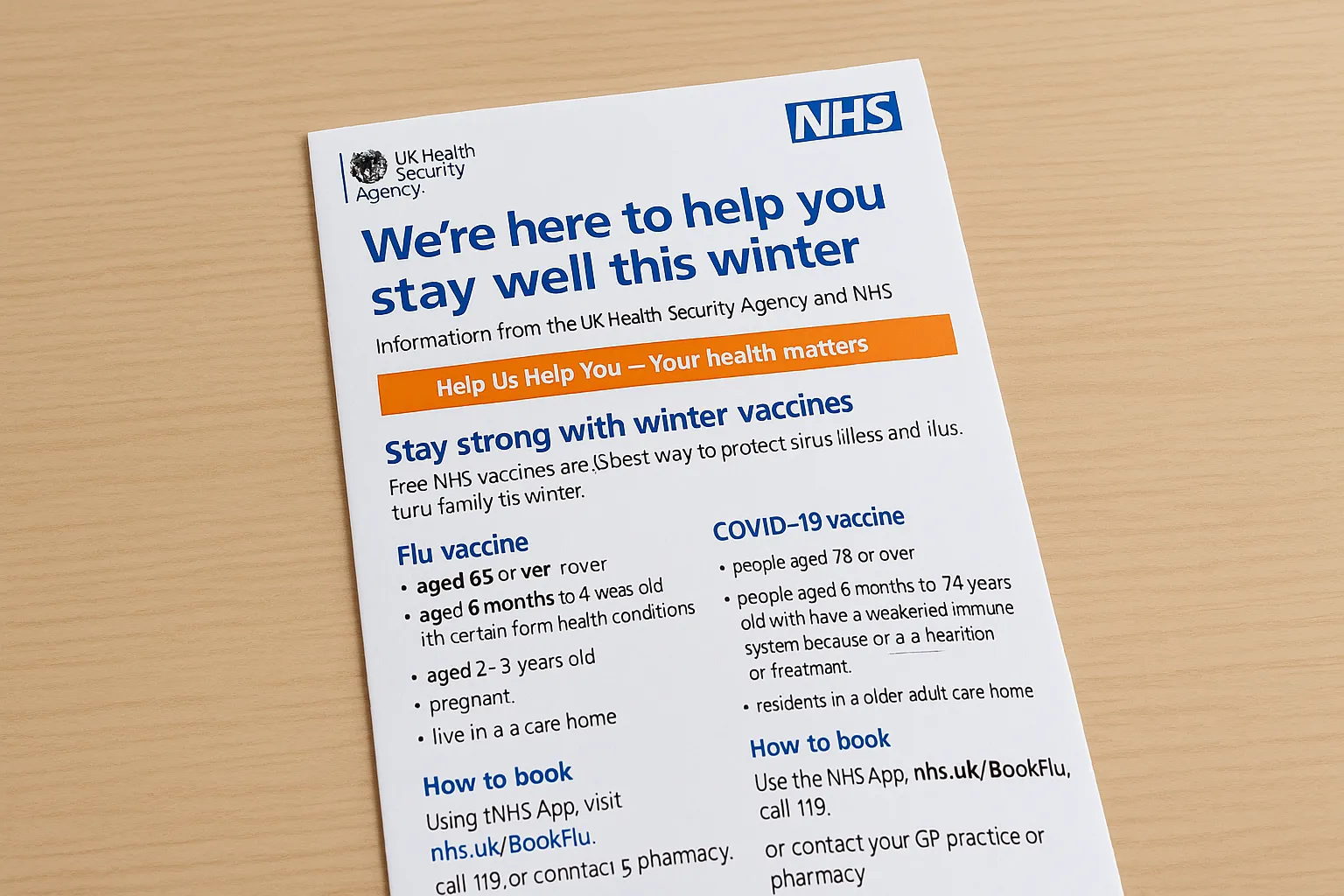
To bolster health during the winter months, the NHS emphasizes the significance of vaccination. The flu vaccine is offered free of charge to individuals deemed most at risk, including the elderly, young children, pregnant women, and individuals living with health challenges.
**Eligibility for the flu vaccine includes:**
– Ages 65 and above, including those turning 65 by March 31, 2026
– Individuals aged 6 months to 64 years with long-term health conditions
– Children aged 2 to 3 years
– Pregnant women
– Residents of care homes
– Primary caregivers for older or disabled individuals
– Those residing with someone who has a weakened immune system
Getting the flu vaccine annually is crucial, as flu viruses mutate frequently. For those eligible, booking an appointment is straightforward through various channels, including the NHS App, by calling 119, or through local GP practices and pharmacies.
In addition to the flu vaccine, the NHS provides COVID-19 vaccines for higher-risk populations, specifically:
– Individuals aged 75 and older
– Those aged between 6 months and 74 years with weakened immune systems
– Residents in adult care homes
Booking for the COVID-19 vaccine can also be done via the NHS App or through walk-in centres.
Moreover, the respiratory syncytial virus (RSV) vaccine is available for people aged 75 to 79 and for those who turn 80 after September 1, 2024, aimed at preventing a common virus that can lead to severe respiratory issues. Pregnant women from 28 weeks of gestation are also encouraged to receive this vaccine to safeguard both mother and baby.
Those aged 65 and above or suffering from specific health conditions can access the pneumococcal vaccine, protecting against severe pneumonia. Additionally, eligible individuals between 70 and 79 can receive the shingles vaccine. It’s advisable to consult your GP regarding these vaccines and remembering they can often be administered simultaneously with flu and COVID-19 vaccines.
### Maintaining Warmth and Well-Being
As the temperatures drop, the need for adequate heating to stave off illnesses like colds, flu, and pneumonia becomes critical. Health authorities recommend keeping indoor temperatures at a minimum of 18°C, particularly in frequently used rooms. Practical measures to enhance home warmth include using draught excluders, ensuring windows are securely closed during the night, and wearing layers of clothing.
Diet plays a significant role as well; consuming hot meals and beverages not only aids in warmth but also supports overall health. For those struggling to afford heating, numerous grants and financial supports are available to improve energy efficiency in homes. Resources such as the government’s benefits calculator can help ascertain what financial assistance is accessible.
### Ensuring Safety at Home
As mobility may decline with age, simple amendments at home can significantly enhance safety. Clear pathways, removing tripping hazards, and installing handrails can provide vital support. Additionally, having smoke alarms on each floor and ensuring they are regularly tested forms an essential safety net for early hazard detection.
### Staying Active and Engaged
Physical activity is crucial for maintaining health during winter. Regular exercise can improve cardiovascular health, boost mood, and prevent falls. The NHS suggests engaging in activities that can be done indoors, encouraging a reduction in prolonged periods of sitting. Resources such as the NHS website offer various suggestions for keeping active, tailored to different abilities.
### Managing Illnesses and Accessing Support
In case of illness this winter, maintaining warmth, rest, and hydration is important. Over-the-counter medications can alleviate symptoms of common ailments such as colds. Local pharmacist consultations can also provide invaluable guidance on treatment options.
In instances of COVID-19, the NHS has made provisions for treatments aimed at those most vulnerable to severe outcomes. Should symptoms arise, timely testing with lateral flow tests followed by contacting medical professionals can facilitate prompt care.
### Addressing Mental Health
Winter can bring about feelings of sadness for many. Accessible resources are available to foster mental well-being, including NHS Talking Therapies for those experiencing anxiety or depression. Encouragement to reach out for help is prevalent, with numerous services in place for support during crises.
### Community Connections
During winter, checking on elderly relatives and neighbours is crucial. Isolation can lead to increased loneliness, so making regular contact is invaluable. Age UK provides services aimed at reducing this isolation, including helplines and befriending schemes.
### Conclusion
Staying healthy during winter is achievable with adequate preparation and vigilance. The NHS’s emphasis on vaccinations, maintaining warmth, promoting safety at home, and ensuring mental health support underscores their commitment to public health. As we confront the challenges of winter, it is vital for individuals to take proactive steps, not only for their well-being but also for the care of those around them. With the right resources and support, the community can navigate this season in good health.
Our Thoughts
The article emphasizes the need for public health awareness during winter, particularly for vulnerable populations. To prevent health issues linked to cold weather, several key measures could be implemented:
1. **Increased Public Awareness Campaigns**: More intensive information campaigns could enhance understanding of the importance of winter vaccinations and home safety measures.
2. **Regulatory Compliance**: The article suggests heating homes to at least 18°C, in line with the Health and Safety at Work Act 1974. Local authorities and housing organisations should enforce standards for home heating to ensure safety for vulnerable groups.
3. **Home Safety Improvements**: Encouraging residents, especially the elderly, to undertake risk assessments of their homes can mitigate risks of falls and other accidents. The Management of Health and Safety at Work Regulations 1999 mandates that employers must ensure the health and safety of those in their premises, which extends to provided residences.
4. **Community Support Initiatives**: Establishing local networks to check on elderly and vulnerable individuals can significantly reduce health risks during winter months.
Implementing these strategies can help avoid adverse health effects associated with winter conditions and ensure compliance with UK health and safety legislation.