













Story Highlight
– NHS faces crisis from flu surge and potential strikes.
– Health Secretary warns of patient safety concerns ahead.
– Flu patients in hospitals rose 55% over last week.
– Doctors urged to reconsider planned Christmas strike action.
– NHS recommends flu vaccines amid critical staffing shortages.
Full Story
The National Health Service (NHS) is encountering severe challenges this winter, with rising cases of a virulent flu strain and potential strike action threatening to overwhelm the healthcare system, the Health Secretary, Wes Streeting, has warned. In a piece published in *The Times*, Streeting highlighted that the NHS is facing unprecedented pressures, comparable only to the early days of the COVID-19 pandemic.
Streeting’s remarks come as hospitals across the country contend with what he described as a “tidal wave of flu,” resulting in a significant spike in patient admissions. Last week, an average of 2,660 patients were hospitalised due to flu—a dramatic increase of 55 per cent compared to the previous week. This surge stands in stark contrast to the figures from last year, which reported only 1,861 admissions during the same period. Furthermore, just two years ago, the number of flu patients in hospitals was a mere 402.
In an interview on LBC this morning, Streeting expressed grave concerns, stating that the NHS was “effectively” at “one minute to midnight” regarding its operational capabilities. He cautioned that if strike action proceeds, he cannot ensure the safety of patients, highlighting the intense strain on hospital resources. “Even if I throw more money at this situation now, there’s only a finite number of doctors and staff,” he explained. He also underscored that the demand for care continues to rise, complicating the situation further.
Streeting has been vocal in his appeal to resident doctors, urging them to reconsider the looming strike action, which is set to commence next Wednesday. He has described the situation as precarious, warning that the proposed strikes could be a “Jenga piece that collapses the tower.” Following the rejection of his latest offer to the British Medical Association (BMA), Streeting is appealing directly to the resident doctors, asking them to end the dispute and work towards a sustainable partnership.
“I’m asking them to call off the Christmas strikes and choose a fresh start,” he stated, advocating for a collaborative effort to navigate these challenging times. He added that a resolution to the strike situation would be the “only gift” the NHS desired this festive season.
The Prime Minister, Sir Keir Starmer, has joined in the call for doctors to reconsider their plans, stating that proceeding with the strike would be “irresponsible.” Health leaders have cautioned that the combined impact of industrial action and flu cases creates a “worst-case scenario” for the NHS as the festive season approaches. Starmer noted that flu patients hospitalized could soon exceed the alarming previous high of 5,441.
The strike, proposed by resident doctors—previously termed junior doctors—comes as they demand a 26 per cent pay increase, in addition to a 28.9 per cent raise that has already been awarded over the past three years. Streeting has countered these demands by explaining that the financial resources required to meet the BMA’s expectations simply do not exist within the current budget constraints. He pointed out that such increases would be unfair to other NHS staff who do not earn salaries at the same level as even the lowest-paid doctors.
In light of the escalating crisis, the national medical director of NHS England, Professor Meghana Pandit, has acknowledged the exceptional pressures current on the system. She remarked, “This unprecedented wave of super flu is leaving the NHS facing a worst-case scenario for this time of year.”
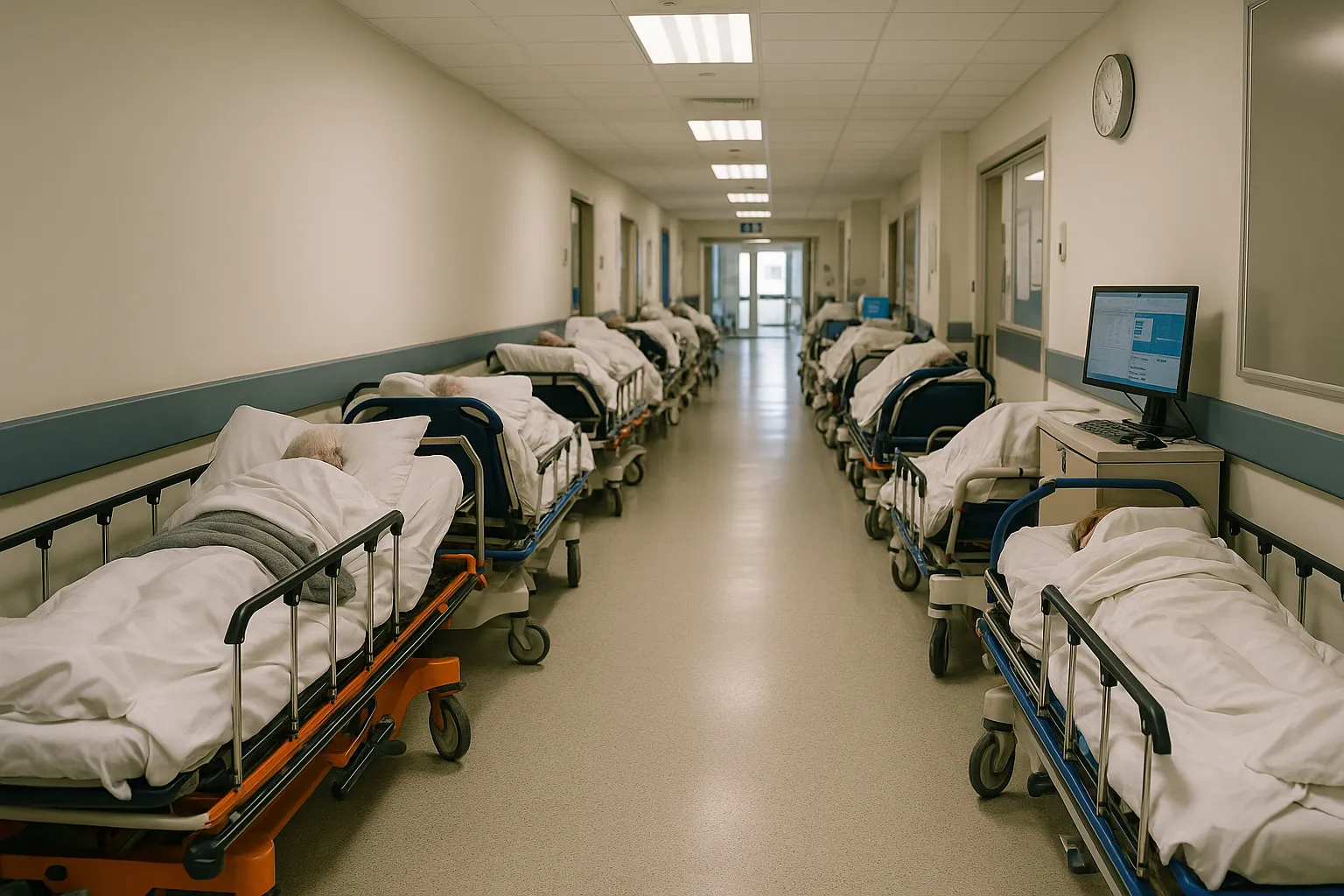
Clinics across the UK have been reporting crowded waiting rooms, as a lack of beds has forced staff to provide care in suboptimal conditions. Reports have emerged of patients being treated in hallways and temporary areas, reflecting a system under relentless stress. NHS England has responded by issuing guidelines for delivering care safely in these conditions, emphasising the urgency for clinicians to adapt to the increased demand.
To mitigate the impact of the flu outbreak, hospitals are encouraging vaccinations, despite ongoing issues with supply in some areas. Community Pharmacy England’s chief executive, Janet Morrison, indicated that while pharmacies are working diligently to administer flu shots, demand has surged unexpectedly. This has led to longer wait times for appointments in various locations, although some pharmacies still have adequate supplies.
The Liberal Democrats have proposed increasing vaccine access by offering flu jabs at alternative community venues, such as pubs and supermarkets, in response to the current health emergency. In another dimension of the crisis, the UK Health Security Agency reported that the overall immunity in the population against the current flu strain is lower than expected, though the existing vaccine remains effective against it.
Additionally, data reveal that hospital admission rates for flu are particularly high among elderly individuals over 75 and children under five. Meanwhile, the overall NHS waiting list for planned treatment has seen a slight uptick, currently standing at 7.4 million, indicating ongoing pressures unrelated to strike actions.
As the NHS braces for the dual challenges of a flu pandemic and potential strikes, the coming weeks will be critical in determining the resilience of the UK’s healthcare system. Both Streeting and Starmer’s appeals underscore the urgency of collaboration and responsible decision-making in the face of mounting pressures during this crucial time.
Our Thoughts
The situation faced by the NHS highlights several areas where key safety lessons could be learned to mitigate such crises in the future. Firstly, ensuring robust contingency plans for workforce shortages and patient care during peak periods, including flu outbreaks, is crucial. The Health and Safety at Work Act 1974 mandates employers to ensure the health and safety of staff and patients, which includes addressing potential strike actions proactively.
Secondly, adequate communication and negotiation strategies with healthcare professionals are essential to prevent industrial actions during critical times. The failure to reach an agreement with the British Medical Association (BMA) demonstrates a need for improved dialogue. The Management of Health and Safety at Work Regulations 1999 requires risk assessments which could have identified potential strike impacts on patient safety.
Finally, addressing high patient volume and care standards directly correlates with patient safety legislation. The NHS should invest in staffing and resources ahead of seasonal demands to prevent overcrowding and unsafe practices, such as corridor care, which compromise patient safety.
Preventing similar incidents would entail strengthening workforce resilience, timely flu vaccinations, and enhanced communication between health authorities and medical staff.