












Story Highlight
– Voluntary drug testing at Sydney’s Field Day festival introduced.
– Anonymous tests provide substance analysis and health advice.
– Program aims to reduce harm and improve safety.
– Previous festival had multiple drug overdoses reported.
– Criticism remains about effectiveness and perceptions of safety.
Full Story
The New South Wales (NSW) government has announced it will implement a voluntary drug testing initiative during the upcoming Field Day music festival in Sydney, set to take place on January 1. The festival, a prominent event in the city’s calendar, is expected to attract a large crowd, featuring performances from notable UK DJs including Carl Cox and Jamie Jones at The Domain.
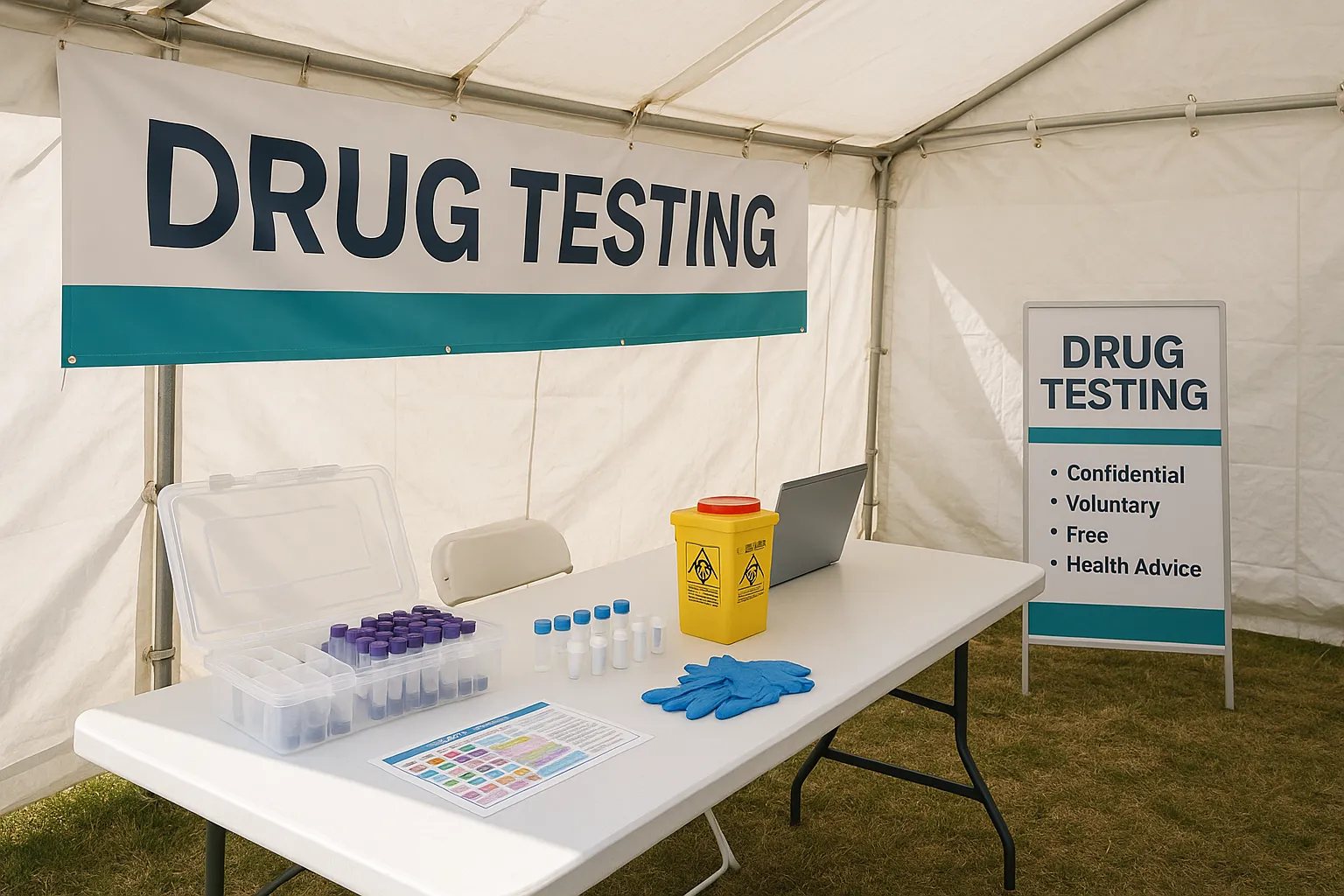
Festival attendees will have the option to undergo an anonymous drug test, wherein the substances they provide will be analysed. Health professionals will be stationed at the site to offer guidance regarding the potential risks associated with the substances tested. Additionally, festival-goers can obtain confidential information about drug consumption and available support services.
This initiative is part of a broader plan aimed at enhancing harm reduction strategies at music festivals, which stemmed from recommendations made at the NSW government’s 2024 Drug Summit. Kerry Chant, the state’s chief health officer, highlighted the programme’s objective of enabling concert-goers to make “informed decisions.” Speaking to News.com, Chant underscored the importance of prioritising safety and harm reduction while attending such events. She stated, “Our priority is to reduce harm and keep people safe” and emphasised that while the drug testing does not provide a “guarantee of safety,” it could assist individuals in avoiding particularly dangerous substances.
The implementation of this approach at Field Day marks it as the ninth festival in NSW to adopt voluntary drug testing. A spokesperson for Field Day expressed their commitment to safety, calling the initiative a significant milestone towards implementing effective harm minimisation practices that have proven successful internationally. They expressed gratitude to the volunteers and NSW Health for facilitating the implementation of this programme.
The decision to continue developing and expanding drug testing at festivals comes amid increased scrutiny following recent incidents at music events in the region, including a troubling number of reported overdoses. At the Knockout Festival, held in October at Sydney Olympic Park, there were over a dozen suspected drug overdoses among the crowd of approximately 60,000 attendees. Reports indicated that five individuals required urgent medical attention, and three were subsequently hospitalised due to their drug use at the festival.
Despite the efforts to monitor drug use and improve safety at such events, the effectiveness of the existing drug testing programme has generated debate. During the Knockout Festival, only 319 out of the 60,000 attendees opted to take advantage of the drug testing facility, raising concerns about the overall impact and reach of the initiative. The limited participation has prompted discussions about whether the trial should be extended into 2026.
NSW Opposition Leader Mark Speakman has voiced criticisms regarding the drug testing programme, asserting that there is insufficient evidence to demonstrate that it has successfully saved lives. He cautioned that the initiative might inadvertently foster a false sense of security among festival attendees, potentially leading to more risky behaviour.
In response to these concerns, health officials have reiterated that while the drug testing programme aims to discourage the consumption of particularly hazardous substances, it cannot entirely eliminate the associated risks of drug use at music festivals. This ambivalence underscores the challenging nature of balancing harm reduction with attendee safety.
Engagement from health professionals on-site is designed to bridge the gap in knowledge about illicit substances and their effects. Providing festival-goers with timely and accurate information could help inform their choices, ideally leading to safer consumption practices.
As the Field Day festival approaches, many eyes will be on how this new initiative unfolds and whether it will effectively contribute to safer environments for festival attendees while enhancing overall harm reduction efforts across NSW. The broader implications of the programme, alongside the reactions from both the public and health officials, will likely influence the future direction of drug policy and safety measures at music festivals in the state.
As the event nears, the expectation from attendees, festival organisers, and health authorities is that this collaborative approach will herald a new phase in how festivals deal with the complexities surrounding drug use, setting a precedent for future music events across New South Wales and potentially beyond.
Our Thoughts
The article highlights the importance of harm reduction strategies at large events, particularly concerning drug use. To prevent incidents like the overdoses at the Knockout Festival, several measures could have been implemented in accordance with UK Health and Safety legislation, such as the Health and Safety at Work Act 1974, which mandates the duty to ensure the health and safety of attendees.
Key safety lessons include the necessity of comprehensive risk assessments tailored for music festivals, specifically addressing potential drug-related incidents. Enhancing awareness and accessibility of drug testing services could help reduce the number of attendees consuming dangerous substances.
Moreover, improving public education around substance risks, ensuring adequate medical support, and encouraging participation in drug testing could create a safer environment. Transparency about the limits of drug testing and the associated risks is vital to avoid a false sense of security, as noted by critics in the article.
Ensuring safety measures are effectively communicated and enforced can facilitate event organizers’ compliance with safety regulations, ultimately leading to fewer health emergencies during such large gatherings.