












Story Highlight
– NSW government to implement voluntary drug testing at Field Day.
– Anonymous testing to analyze substances for festival-goers.
– Health professionals to provide risk advice and guidance.
– Initiative aims to reduce harm and enhance safety.
– Previous event faced scrutiny due to drug overdoses.
Full Story
New South Wales is set to implement a voluntary drug testing initiative at Sydney’s renowned Field Day music festival on January 1. This eagerly anticipated event will take place at the Domain, with a significant turnout expected, including notable UK DJs Carl Cox and Jamie Jones.
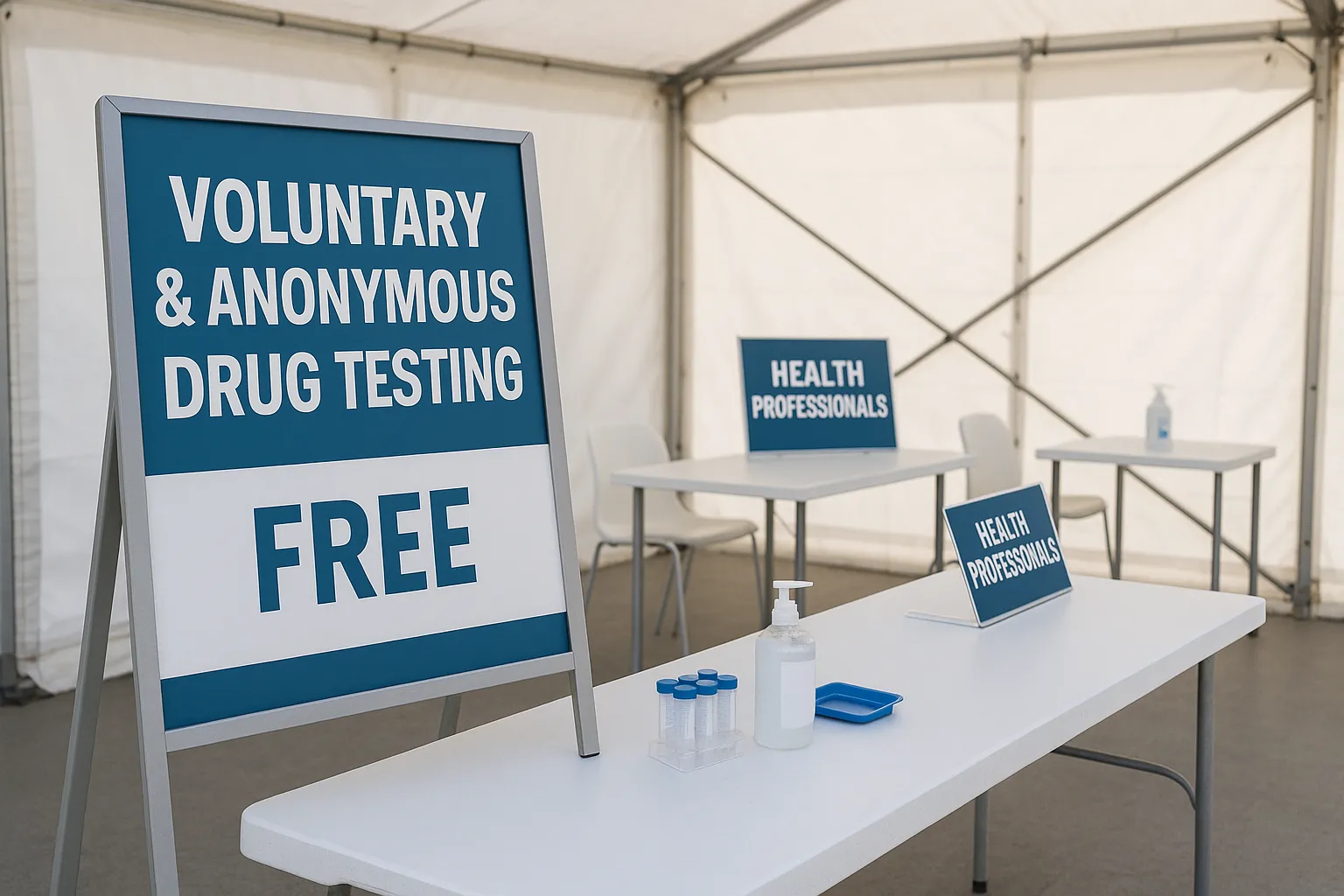
Attendees of the festival will have the opportunity to undergo anonymous drug testing in which their substances will be analysed. Health professionals will be present to offer advice on any risks associated with the substances tested. Additionally, festival-goers can access confidential guidance regarding drug use and relevant support services.
This initiative follows recommendations put forward during the NSW government’s 2024 Drug Summit, which advocated for the implementation of voluntary and anonymous drug checks at musical events.
Kerry Chant, the chief health officer for NSW, provided insights into the motivations behind the drug testing programme. In a statement reported by News.com, she emphasised that the aim is to assist concert attendees in making “informed decisions.” Chant reiterated, “Our priority is to reduce harm and keep people safe.” This upcoming Field Day marks the ninth festival to incorporate drug testing as part of the initiative.
While welcoming the programme, Chant clarified that the tests do not offer an absolute guarantee of safety. Instead, they aim to help participants avoid “high-risk” drugs and hazardous substances. A representative of Field Day expressed their commitment to safety, stating that the implementation of drug testing is a significant step forward in the state’s harm minimisation efforts, which have shown successful results internationally. The spokesperson acknowledged the contributions of volunteers and NSW Health in making this program a reality for festival attendees.
This move comes on the heels of scrutiny surrounding the state’s drug testing programme, highlighted by events at the recent Knockout Festival held at Sydney Olympic Park. During this event in October, which drew an estimated 60,000 attendees, there were reports of over a dozen suspected drug overdoses. NSW Health confirmed five individuals required urgent medical treatment, while three others were hospitalised following their consumption of illicit substances at the festival. Drug testing at Knockout Festival was part of the ongoing trial, which was launched in December last year. However, only 319 out of the 60,000 participants opted to utilise the testing service available to them.
The low uptake at this recent event has spurred debate over the future of the drug testing trial, leading to criticism from NSW Opposition Leader Mark Speakman. Speakman asserted that there is “no evidence it saved lives,” suggesting that rather than mitigating risks, the programme could potentially foster a false sense of security among festival-goers.
Despite scepticism surrounding the effectiveness of drug testing, health officials and festival organisers are keen to promote a culture of safety and responsibility. As the Field Day festival approaches, the focus remains squarely on preventing harm and providing concert-goers with the knowledge necessary to navigate the complexities of drug use in festival environments.
Through this initiative, NSW Health aims to not only reduce risks associated with illicit substances but also to foster an environment where festival-goers can feel supported and informed about their choices. By offering access to health professionals and confidential advice, the programme intends to create a safer atmosphere for all participants.
In recent years, the conversation around drug testing at music festivals has gained traction, with proponents arguing that such measures can contribute to a decline in drug-related incidents and emergencies. The NSW government’s approach is part of a broader strategy that aligns with global best practices in harm minimisation, aiming to provide realistic solutions to address the ongoing issues surrounding drug use in public events.
As the situation continues to evolve, the impact of this voluntary drug testing programme will be closely monitored, with health authorities and lawmakers particularly interested in assessing its efficacy and acceptance among festival-goers. The outcome of this initiative at the Field Day festival could prove pivotal for future policies and practices regarding drug testing at large-scale events throughout New South Wales.
Ultimately, the push for safer environments at music events underscores a growing recognition of the need for harm reduction strategies that are both practical and responsive to the realities faced by young adults in social settings. By navigating these complex challenges, NSW officials hope to foster a culture that prioritises health and safety without stigmatising those who may choose to consume substances. As Field Day approaches, all eyes will be on how these strategies play out in real-time among a diverse crowd of music enthusiasts.
Our Thoughts
The article highlights the implementation of a voluntary drug testing program at music festivals in NSW following incidents of drug overdoses. While this initiative aims to reduce harm, it may not sufficiently address underlying safety concerns.
To improve safety and prevent overdose incidents in similar events in the UK, several measures could be adopted. Firstly, proactive awareness campaigns should be conducted prior to events to educate attendees about the risks associated with drug use, emphasizing the dangers even with testing available. Additionally, mandatory training for festival staff on identifying and managing drug-related emergencies could enhance immediate response capabilities.
Relevant UK health and safety regulations that may be breached in incidents like these include the Health and Safety at Work Act 1974, which requires that employers ensure the safety and welfare of all persons at work, including attendees at events. If it is found that adequate safety measures were not in place, organizers could be held liable for breaches.
Similar incidents could be prevented by improving access to harm reduction resources and integrating comprehensive medical support and protocols at events. Regular assessments of safety measures and crowd management strategies should also be enforced to enhance attendee safety.