







Story Highlight
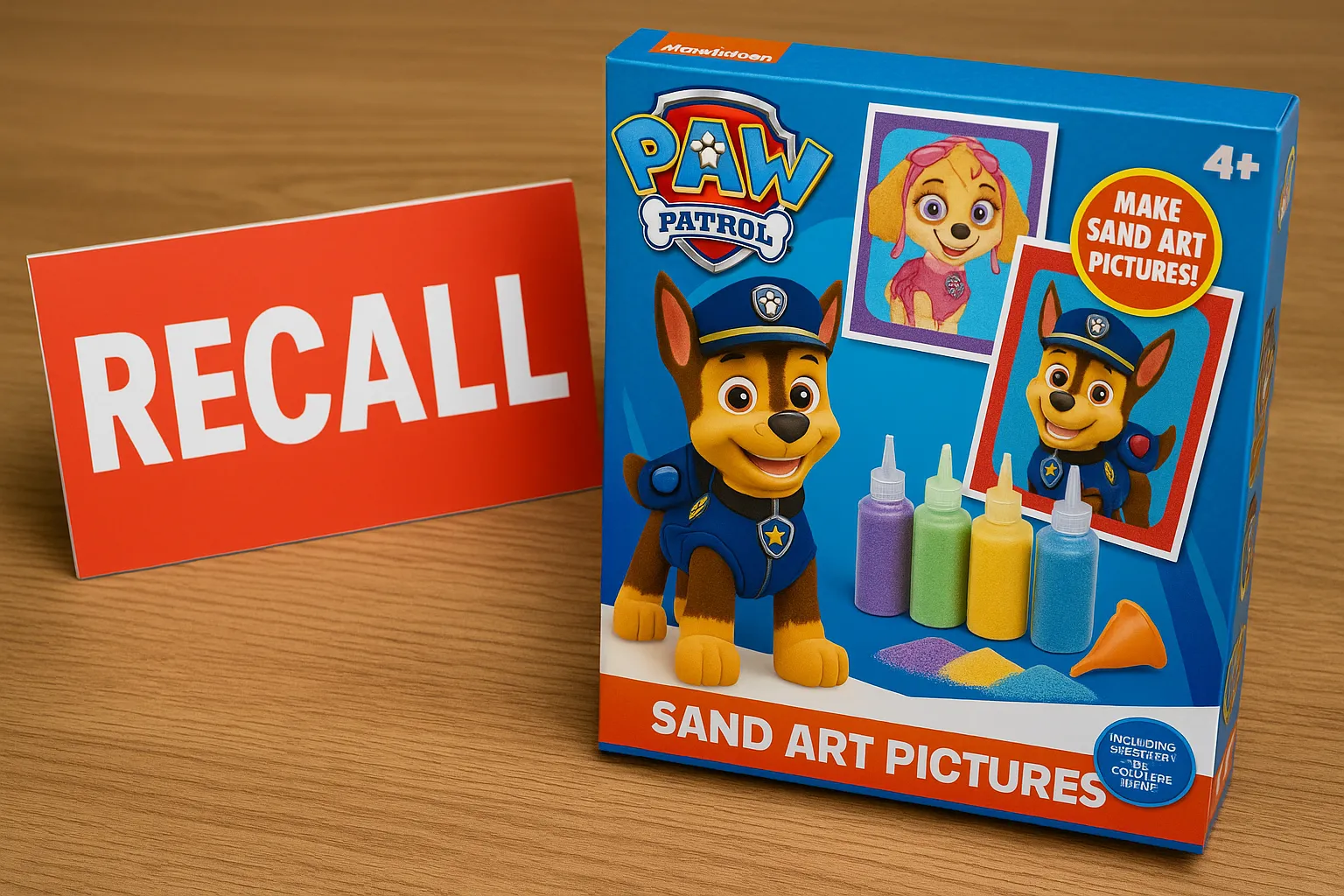
– Paw Patrol Sand Art kit recalled due to asbestos risk.
– Sold at The Entertainer, Tesco, M&S, Hobbycraft.
– Contaminated sand poses health risks; asbestos is harmful.
– Customers should stop using and dispose of product.
– Refunds issued automatically for online purchases; £5 value.
Full Story
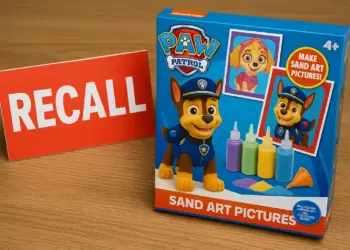
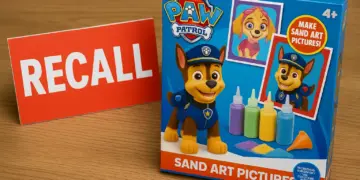
The Paw Patrol Sand Art Pictures Kit, produced by Addo Play Limited, is facing significant scrutiny following a product recall due to potential health risks associated with its contents. The Office for Product Safety and Standards (OPSS) has issued a warning, informing consumers that the sand included in the kit may contain traces of asbestos, a substance infamous for its health hazards.
The kit, which features vibrant colours of play sand along with plastic bottles, was available for purchase at several popular retail outlets, including The Entertainer, Tesco, Marks & Spencer (M&S), Hobbycraft, and various British Garden Centres. This product was on sale from September 2024 until February 2026, raising concerns as it may have been acquired by a significant number of families during that time frame.
In a statement, the OPSS highlighted the risks associated with the product, emphasising the health dangers posed by asbestos, which is prohibited in consumer products due to its carcinogenic properties. “Asbestos is a banned substance because it poses a risk to health even at low levels of exposure,” the OPSS stated, indicating that this product does not comply with the Toys (Safety) Regulations 2011, a regulation designed to ensure the safety of toys sold in the UK.
The specific item code for the toy is 320-14142-N, while M&S versions of the product will have the code T553666. M&S has confirmed that the product is no longer available for sale, both online and in stores, and has initiated a recall in light of the findings. Customers who purchased the kit online will receive a redemption code worth £5 as compensation, which can be used for future purchases.
The enterprising toy retailer, The Entertainer, also responded to the findings, stating, “Our testing has shown that the Paw Patrol Sand Art Pictures product may contain trace levels of asbestos. The overall risk is considered low, but because asbestos should not be present in any amount, Addo Play Ltd is issuing a recall notice for this product.” They are urging customers to immediately cease using the product and ensure it is stored out of reach of children.
Consumers who still own the sand art kit are advised to take immediate action. The OPSS has provided detailed disposal instructions to mitigate any risks associated with the potentially contaminated sand. If the sand remains unopened, users should place it in a secure, heavy-duty plastic bag, seal it with strong tape, and label it clearly before storing it in a secure area away from children.
For items that have been opened and used, the guidance is slightly different. The OPSS recommends that individuals clean up any remnants of the sand using damp cloths to prevent dust from becoming airborne. Protective measures, including wearing gloves and a mask while cleaning, are advised. After cleaning, the sand, cloths, gloves, and mask should also be placed in a double-bagged arrangement for safety before being discarded as regular household waste.
Moreover, the OPSS advises keeping children and other individuals away from any areas where the sand has been used until thorough cleaning has been completed. Once the area is confirmed safe, customers are instructed to contact the retailer from whom the product was purchased to request a refund.
As this issue progresses, it has sparked conversations around product safety regulations and the measures that should be in place to ensure that children’s toys remain safe for home use. The appearance of any level of asbestos in children’s products has raised serious concerns amongst parents, guardians, and educators alike.
The incident serves as a crucial reminder of the importance of vigilance regarding informational updates on toys and other consumer products. As manufacturers and retailers strive to provide safe and enjoyable products, regression such as this highlights the necessity for thorough testing and compliance with safety standards. The potential health implications underscore the importance of such regulations; even trace amounts of hazardous materials can lead to long-term health effects.
For further information or inquiries, consumers are encouraged to reach out directly to The Entertainer at Product.Recall@theentertainer.com or via telephone at +44 808 501 3005.
In summary, the recall of the Paw Patrol Sand Art Pictures Kit has raised significant concerns surrounding consumer safety and regulatory oversight in the toy industry. With an abundance of options available on the market, it’s critical for parents to remain informed and aware of potential hazards, enabling them to make safe choices for their children.
Our Thoughts
The recall of the Paw Patrol Sand Art Pictures Kit highlights a significant failure in compliance with UK health and safety regulations, particularly the Toys (Safety) Regulations 2011. To prevent such incidents, thorough pre-market safety testing should have been mandated to ensure that products containing sand are asbestos-free.
Key lessons include the necessity for robust supply chain controls and stricter risk assessments regarding material sourcing. Manufacturers and suppliers should implement routine audits and testing of raw materials to avoid contamination by hazardous substances, especially in products intended for children.
This incident underscores the importance of adhering to the Consumer Protection Act 1987, which requires products to be safe and fit for purpose. The inclusion of a banned substance like asbestos violates these legal obligations and places consumers at risk. Future prevention could involve enhanced awareness training for companies regarding harmful materials and better communication with consumers about product safety recalls and disposal methods.
Overall, a more proactive approach to product safety and compliance with UK legislation could significantly mitigate risks associated with hazardous materials in children’s products.