

















Story Highlight
– Indoor air can be more polluted than outdoor air.
– Humidity from rain encourages mould and allergens growth.
– Open windows during dry spells for better ventilation.
– Control temperature to reduce indoor condensation.
– Dehumidifiers can help, but fresh air is best.
Full Story
**Managing Indoor Air Quality on Rainy Days**
Indoor air quality (IAQ) is an often overlooked aspect of creating a healthy living environment. Surprisingly, the air within our homes can be more contaminated than what we breathe outdoors. During rainy weather, humidity levels rise, which can lead to the proliferation of mould, bacteria, and allergens. Everyday activities such as cooking, showering or even exhaling produce water vapour. In the absence of proper ventilation, this excess moisture can accumulate, settling on surfaces like windows and walls, fostering a damp atmosphere.
Many people mistakenly believe that the humid conditions accompanying rainfall means that outdoor air is heavy with moisture. However, when rain falls, the air can become surprisingly drier, especially if it has warmed up slightly after the initial downpour. In such cases, the indoor air often remains more humid, particularly if windows have been closed for an extended period. Opening a window, even momentarily, allows for fresh air to flow in, pushing out stale air and condensation.
**Safe Ventilation Practices During Rain**
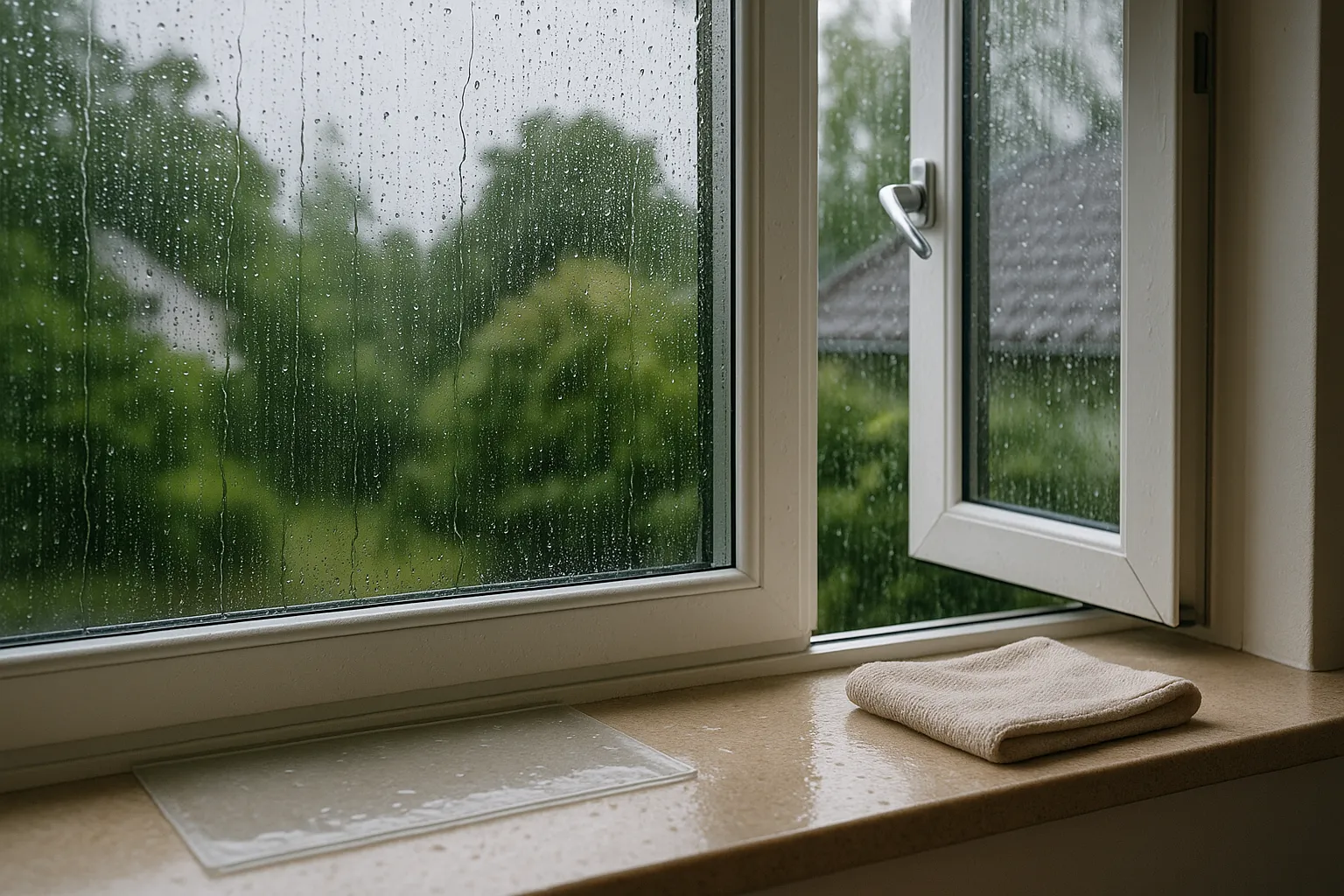
When it rains, especially during inclement weather with wind or lightning, it’s prudent to keep windows shut until conditions improve. Monitoring wind direction can help; opening windows on the side opposite to the wind allows for effective ventilation without inviting water inside. A brief period of airing out can dramatically improve air circulation throughout your home. Creating a gentle cross-breeze by partially opening windows on opposite sides can facilitate air movement while helping to keep precipitation at bay. If the rain does manage to seep in, a towel or waterproof cover can protect your floors and furniture from damage.
For sporadic showers, consider taking advantage of dry intervals to open roof windows or skylights. Even a few moments of fresh air can refresh an entire room, reducing humidity levels and improving air quality.
**Personal Experiences with Ventilation**
In my own home, I have observed considerable benefits from ensuring good ventilation in the kitchen and bathroom, particularly following rain. This practice has reduced the incidence of mirrors fogging up and has eliminated the unwelcome musty odour that can develop in damp conditions.
**Alternative Methods to Combat Indoor Humidity**
At times, outdoor conditions may render it inappropriate to open windows. However, various other strategies can help maintain fresh indoor air.
Controlling indoor temperatures is a first step; maintaining a close match with outside temperatures is essential to prevent condensation from forming on your windows. Slightly lowering central heating can help manage indoor humidity levels by reducing the temperature differential.
Ventilation systems also play a crucial role in maintaining overall air quality. A functioning mechanical ventilation system (VMC) or extractor fan is particularly effective in removing humid air from kitchens and bathrooms where moisture levels can spike. In cases where the system is failing, servicing may be necessary, as blocked filters often hinder operation.
Utilising a dehumidifier can be particularly beneficial during colder months. Although it cannot fully emulate the effects of natural ventilation, it can significantly reduce excess moisture, protecting your home’s structural integrity and furnishings from the impacts of damp.
It must be noted, however, that no mechanical device can replicate the invigorating freshness of outdoor air. Even during rainy periods, a few moments of window ventilation can enhance both the atmosphere of your home and your overall well-being.
**The Importance of Indoor Ventilation on Rainy Days**
Contrary to popular belief, rainy weather should not dissuade individuals from opening windows. In fact, such conditions can provide a prime opportunity to enhance indoor air quality. A quick burst of outdoor air can effectively eliminate pollutants, adjust humidity levels, and deter the growth of mould and unpleasant odours. This practice of regular ventilation stands as a vital aspect of maintaining a healthy living space.
Establishing good air quality routines, even during poor weather, benefits not only your physical health but also your peace of mind. By proactively managing indoor humidity and air circulation, you’re taking steps towards preserving the comfort and safety of your home, regardless of the weather outside.
Our Thoughts
The article highlights the importance of maintaining indoor air quality and controlling humidity, especially during rainy weather. To prevent issues related to dampness and poor air quality, individuals should prioritize effective ventilation strategies and consider appropriate technologies like extractor fans or dehumidifiers.
Key safety lessons include the need for regular maintenance of ventilation systems and the importance of understanding the dynamics of air circulation in homes.
When it comes to UK health and safety legislation, the relevant regulation breached might include the Health and Safety at Work Act 1974, which requires employers and landlords to ensure the health and safety of occupants and users of a premise. Poor indoor air quality can lead to health risks such as respiratory issues or allergies, which could be considered breaches of this duty.
To prevent similar incidents, regular assessments of indoor environmental quality and proactive maintenance of ventilation systems are critical. Educating homeowners about proper ventilation practices during different weather conditions can also mitigate risks associated with mould and allergens in the home.