















Story Highlight
– New law targets toxic kitchen worktop dust to prevent silicosis.
– Bill seeks to ban dry cutting of high-silica stone.
– Growing awareness of silicosis risk among young tradespeople.
– Four UK deaths linked to quartz worktops since 2024.
– Calls for improved health surveillance and worker protection.
Full Story
A proposed legislative measure aims to address a significant health crisis linked to silica dust exposure, particularly affecting young workers in the trades sector. Liberal Democrat MP Liz Jarvis has introduced the Silicosis Prevention, Awareness and Worker Protection Bill, which is designed to mitigate the risks associated with high-silica engineered stone cutting. This initiative follows a surge in cases of silicosis, a debilitating and often fatal lung disease prevalent among stonemasons, many of whom are in their twenties and thirties.
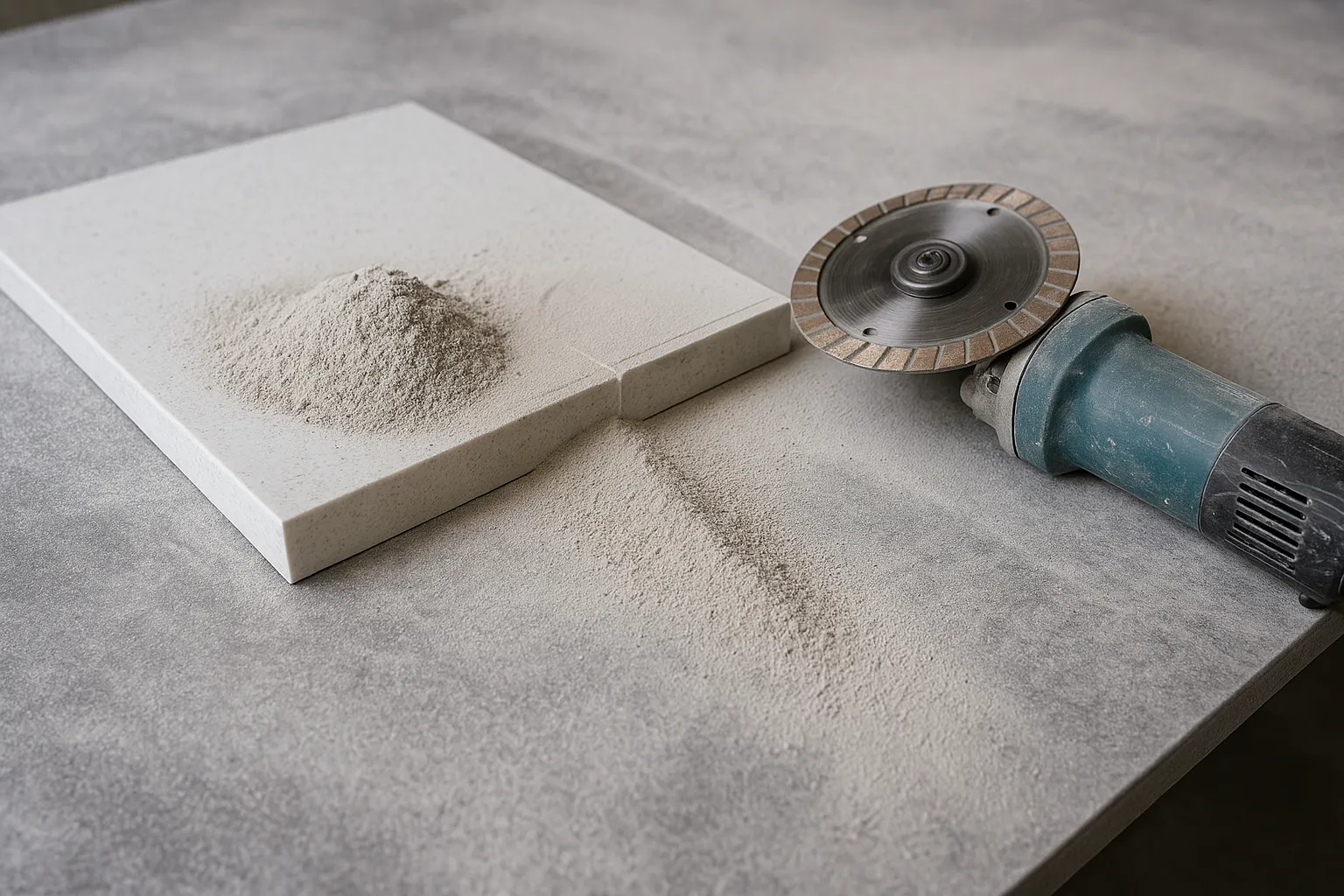
The bill corresponds with The i Paper’s ongoing Killer Kitchens campaign, which advocates for an outright prohibition on the “dry cutting” method used on engineered stone, effectively calling for mandatory safety measures like water suppression and dust extraction to be implemented. Jarvis has expressed that the increasing incidence of this incurable disease could mirror the past tragedies seen with asbestosis unless immediate actions are taken to safeguard workers.
Her comments were informed by a recent conversation with Caroline Hudson, whose brother-in-law, George Elliott, a stonemason who worked on a refurbishment at the Prime Minister’s residence, succumbed to silicosis. Jarvis is committed to raising awareness and legislating safeguards that aim to prevent, monitor, and manage health issues arising from silica dust exposure in occupational settings.
The proposed legislative measure stipulates a blanket ban on dry cutting high-silica stone, among other directives. It outlines a necessary strategy for screening workers to detect potential silicosis cases and reinforces the need for enhanced health surveillance. Furthermore, the bill calls for increased support for the Health and Safety Executive (HSE), granting them additional resources to enforce regulations and combat unsafe workplace practices.
Presentation bills such as this are often characterised by their lack of immediate legislative impact yet serve as vital tools for highlighting areas of concern that demand legislative action. They create a channel for MPs to spotlight critical issues, thus placing pressure on government officials to initiate reform.
In an interview with The i Paper, Jarvis articulated her grave concerns, stating, “I’m hugely concerned that silicosis could be a scandal on the scale of asbestosis in the UK unless prompt action is taken now to protect workers.” She detailed the tragic circumstances faced by Hudson and the Elliott family, who are now dedicated to raising awareness about the disease that snatched away a vibrant life too soon.
Jarvis continued, “It’s absolutely heartbreaking that construction workers, stonemasons and kitchen fitters – including very young men who should have had their whole lives ahead of them – are dying from what is an entirely preventable disease.” She stressed the urgent need for governmental intervention to relieve the burdens imposed on families grappling with the effects of silicosis, alongside the broader impact on the National Health Service.
The rising numbers of silicosis cases led Labour MP Ian Lavery to advocate for a parliamentary debate concerning the disease’s prevalence among those interacting with engineered stone. Lavery cautioned that without intervention, the nation could face “the next asbestos national tragedy.” He noted the alarming increase in silicosis cases in the UK, particularly among younger demographics, attributing much of this rise to the practice of dry cutting engineered stones.
Mr. Elliott’s harrowing story remains central to the discourse surrounding silicosis. He passed away in 2023 after a career primarily working with natural stones, such as granite and marble, which generally contain lower levels of silica than quartz. It is understood that later in his career, he began to work with synthetic quartz. His work on the aforementioned bathroom refurbishment at No 10 highlighted the potential for exposure to silicate dust, a concern echoed by many in the industry.
In a candid conversation prior, his wife Sandra Elliott and sister-in-law Hudson shared the realities of Mr. Elliott’s working conditions. They described dusty environments that left him covered in a cloud of fine particles. “I don’t want families to go through what I’ve been through. It’s horrible,” Ms. Elliott expressed, while Hudson echoed the same sentiments, stating, “We’ve got to get the word out there, and we’ve got to make people realise that this is a devastating disease that could be preventable.”
Since 2024, there have been four confirmed fatalities in the UK attributed to silicosis caused by quartz kitchen worktops, alongside over fifty diagnosed cases of the disease. Data reveals the alarming average age of affected stonemasons is merely 31, with diagnoses emerging at an increasingly younger age; one case even involved a 23-year-old who required a lung transplant.
The Health and Safety Executive has estimated that annually, around 500 deaths in the UK are attributed to work-related exposure to silica dust, which is scientifically classified as respirable crystalline silica (RCS). This figure underscores the urgent necessity for legislative action and heightened awareness regarding safety practices and health monitoring within the industry.
The implications of the Silicosis Prevention, Awareness and Worker Protection Bill extend beyond legal reform; they represent a pivotal step towards safeguarding the health and futures of thousands of workers potentially exposed to hazardous conditions in their professions. As the campaign for change continues to gain traction, the emphasis on collective responsibility to ensure safe working environments grows ever more critical.
Our Thoughts
To prevent the surge in silicosis cases among stonemasons, several key safety measures could have been implemented. Firstly, enforcing stricter regulations regarding the cutting of high-silica materials like quartz is crucial. The control of Substances Hazardous to Health (COSHH) regulations mandate risk assessments and the implementation of adequate control measures to minimize exposure to hazardous substances, which are currently being overlooked.
Employers should ensure that workers are provided with appropriate protective equipment, dust suppression techniques, and effective dust extraction systems. Training for employees on the dangers of silica dust and the importance of using safety measures should be mandated. Regular health surveillance for early detection of silicosis and ensuring that management adheres to safe working practices could also mitigate risks.
The HSE should receive additional resources for enforcement, as indicated by the proposed bill, to ensure compliance with existing safety regulations. Overall, proactive intervention and a culture prioritizing health and safety would significantly reduce the risk of similar incidents arising in the future.