

















Story Highlight
– Testosterone therapy in the UK is rigorously regulated.
– Comprehensive medical exams necessary before therapy initiation.
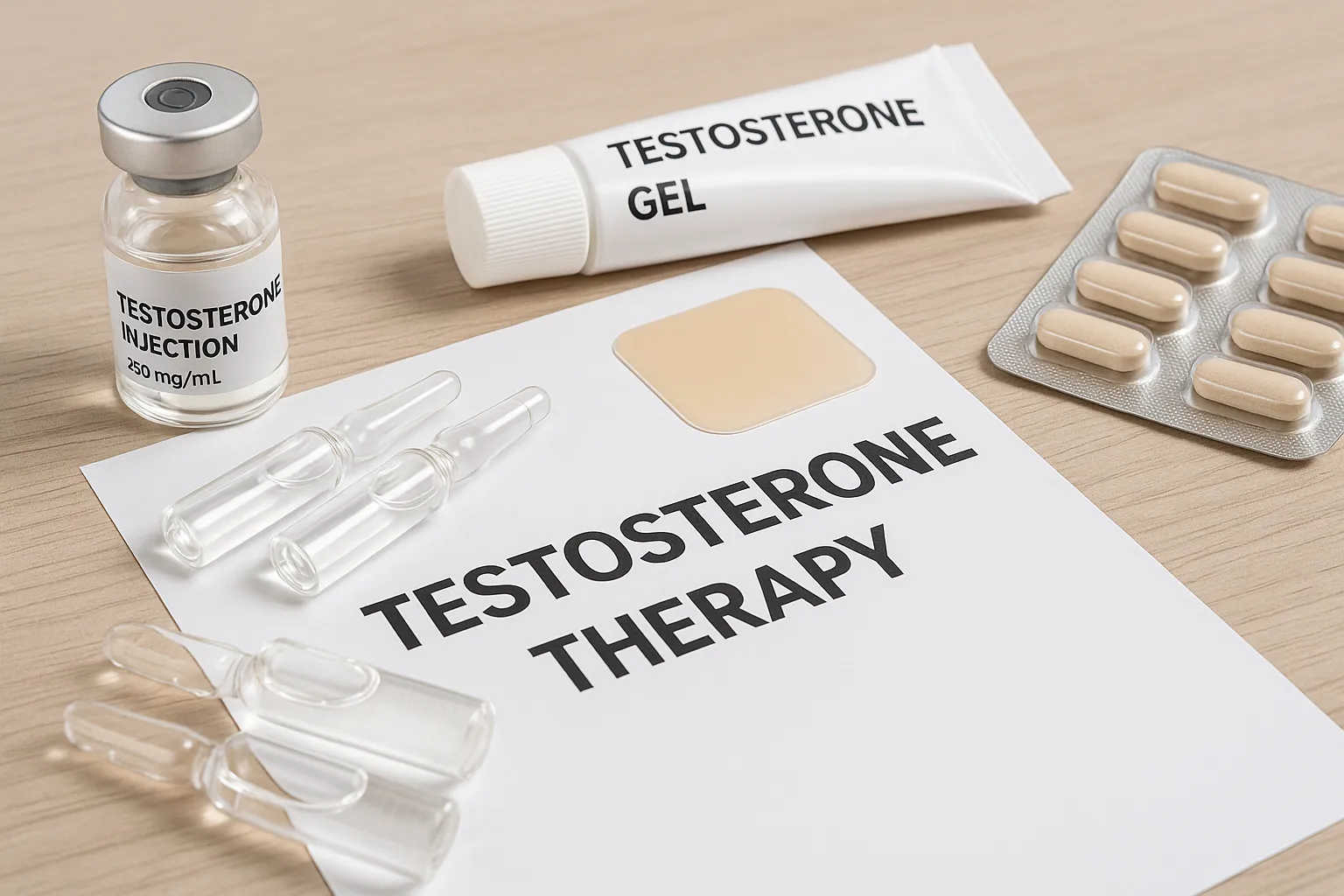
– Multiple approved treatment options include injections and patches.
– Online searches for steroids raise risks of unregulated use.
– Continuous monitoring ensures therapy effectiveness and safety.
Full Story
By 2026, the landscape of testosterone therapy in the United Kingdom has undergone a significant transformation. Emphasising patient safety and adherence to evidence-based medical practices, the treatment has become highly structured and regulated, shifting away from previous casual approaches that often lacked proper medical evaluation.
With growing awareness of hormonal health, there is a notable increase in individuals seeking alternatives to manage their testosterone levels, and many are turning to online resources for information. Searches relating to purchasing steroids in the UK have surged, highlighting a pressing need for clear differentiation between legitimate medical treatments and unregulated alternatives.
### The Changing Paradigm of Hormone Therapy
In recent years, healthcare providers in the UK have implemented strict protocols to ensure that testosterone therapy is both relevant and safe for patients. By 2026, the focus is on achieving a natural hormonal balance rather than artificially elevating hormone levels beyond physiological norms. This shift has had a beneficial impact on patient outcomes, significantly reducing the risks associated with inappropriate hormone use.
### Diagnostic Protocols and Patient Eligibility
Before commencing testosterone therapy, patients must undergo a thorough medical assessment. UK guidelines stipulate several key evaluation criteria:
– Patients must present with at least two separate blood tests confirming low testosterone levels.
– A comprehensive analysis of symptoms, including fatigue, diminished libido, and reduced muscle mass, is required.
– Co-existing health conditions must also be taken into account.
Additionally, healthcare providers consider lifestyle factors, such as diet, sleep habits, and stress levels, which can profoundly influence hormone production. Such comprehensive evaluations ensure that only those with a genuine medical necessity receive treatment.
### Accepted Methods of Testosterone Therapy
In the UK, several approved methods of testosterone therapy are available, each designed to manage hormone levels effectively. These include:
– **Injectable Testosterone**: This is the most commonly prescribed method, providing stable hormone levels through either weekly or bi-weekly injections.
– **Topical Treatments**: Available in the form of gels and creams, these treatments offer an alternative way to administer testosterone daily, though they may vary in absorption rates among users.
– **Transdermal Patches**: These patches deliver a consistent dose of testosterone through the skin, although they can cause skin irritation for some users.
– **Implants**: Hormone pellet implants release testosterone over an extended period, sparing patients from frequent dosing requirements.
All these therapies are prescribed and monitored by qualified healthcare professionals, ensuring safety and efficacy.
### Rising Interest and Associated Risks
As interest in hormone therapy continues to grow, many individuals have begun searching online for testosterone-related treatments. This trend has been accompanied by an uptick in searches for purchasing steroids in the UK. However, this phenomenon raises significant health concerns. The primary issue lies in the risk of obtaining unregulated or counterfeit products, which lack the rigorous safety and quality controls inherent in prescribed medications.
Self-administration of anabolic steroids can lead to severe health complications, including:
– Hormonal imbalances that may further suppress natural testosterone production.
– Heightened cardiovascular risks.
– Potential liver damage.
– Mood swings and changes in behaviour.
– Possibility of developing a dependence on these substances.
In contrast, testosterone therapy prescribed and supervised by medical professionals is specifically designed to mitigate these risks and support overall health.
### The Role of Continuous Monitoring
Ongoing patient monitoring is a cornerstone of testosterone replacement therapy (TRT) in 2026. Patients are required to attend regular follow-up appointments to evaluate several key metrics:
– Blood tests conducted every three to six months.
– Monitoring hormone levels to ensure therapeutic effectiveness.
– Assessment of side effects and adjustments of dosages as needed.
This vigilant approach plays a crucial role in ensuring that treatment remains effective and safe in the long term.
### Legal Framework in the UK
In the UK, testosterone and anabolic steroids are classified as controlled substances. Consequently, they can only be legally obtained with a valid prescription. The regulations restrict distribution through unofficial channels, and purchasing these substances from unverified websites poses both legal and health risks.
Despite the convenience of online access, individuals must exercise caution and consider not only the legality but the legitimacy of products purchased online.
### Distinguishing Between Therapeutic and Non-Medical Use
It is essential to understand the differences between therapeutic use and recreational use of steroids:
– **Testosterone Replacement Therapy (TRT)**: This is specifically designed to restore normal hormone levels, following medical guidance and supervision.
– **Non-Medical Steroid Use**: Often involves higher-than-recommended dosages and is pursued for aesthetic or performance-enhancing purposes, lacking the oversight of healthcare professionals.
The latter is associated with far greater risks and is not considered safe medical practice.
### Benefits of Appropriately Administered TRT
When administered correctly, testosterone therapy can lead to substantial improvements in quality of life, including:
– Increased energy levels and physical strength.
– Enhanced mood and cognitive clarity.
– Improved sexual health and vitality.
– Greater overall wellbeing.
These benefits typically manifest over time and require consistent, professional management to ensure they are sustainable.
### Future Developments in Hormone Therapy
Looking ahead, there is potential for further advancements in testosterone therapy. Emerging trends may include:
– Utilising artificial intelligence for hormone tracking.
– Tailoring doses based on individual genetic profiles.
– Developing improved delivery systems that reduce side effects.
– Enhancing integration with electronic health records.
These innovations are poised to enhance both the safety and effectiveness of hormone therapies.
### Conclusion
As of 2026, testosterone therapy represents a medically supervised and scientifically established method for managing hormonal health in the UK. While the interest in purchasing steroids online continues to rise, it is critical to proceed with caution. Prioritising medically monitored treatment over unregulated options can lead to better outcomes and long-term safety. Informed decision-making, guided by existing clinical guidelines and consultations with healthcare professionals, is essential for individuals seeking to optimise their health and wellbeing.
Our Thoughts
The article highlights significant issues related to the rise of unregulated testosterone use and the risks associated with self-prescribing anabolic steroids. To prevent such incidents, stricter enforcement of UK health and safety regulations regarding the prescription of controlled substances, like testosterone, is essential. The misuse of online purchasing platforms for unregulated substances breaches the Misuse of Drugs Act 1971, which mandates that only licensed healthcare professionals can prescribe these medications.
Key safety lessons include the importance of comprehensive medical evaluations before initiating therapy, which should always include multiple blood tests and assessments for underlying health issues. Moreover, public awareness campaigns should be intensified to further educate the population on the dangers of non-medical steroid use versus regulated testosterone replacement therapy (TRT).
To prevent similar incidents, enhanced monitoring of online sales and more stringent penalties for illegal distribution of steroids could be implemented. Encouraging individuals to seek professional medical treatment rather than relying on online purchases could also mitigate health risks, thereby ensuring patient safety in hormonal therapies.