










Story Highlight
– OPSS warns of serious chemical risk in two perfumes.
– Products contain prohibited chemical butylphenyl methylpropional.
– Customers advised to stop using and seek redress.
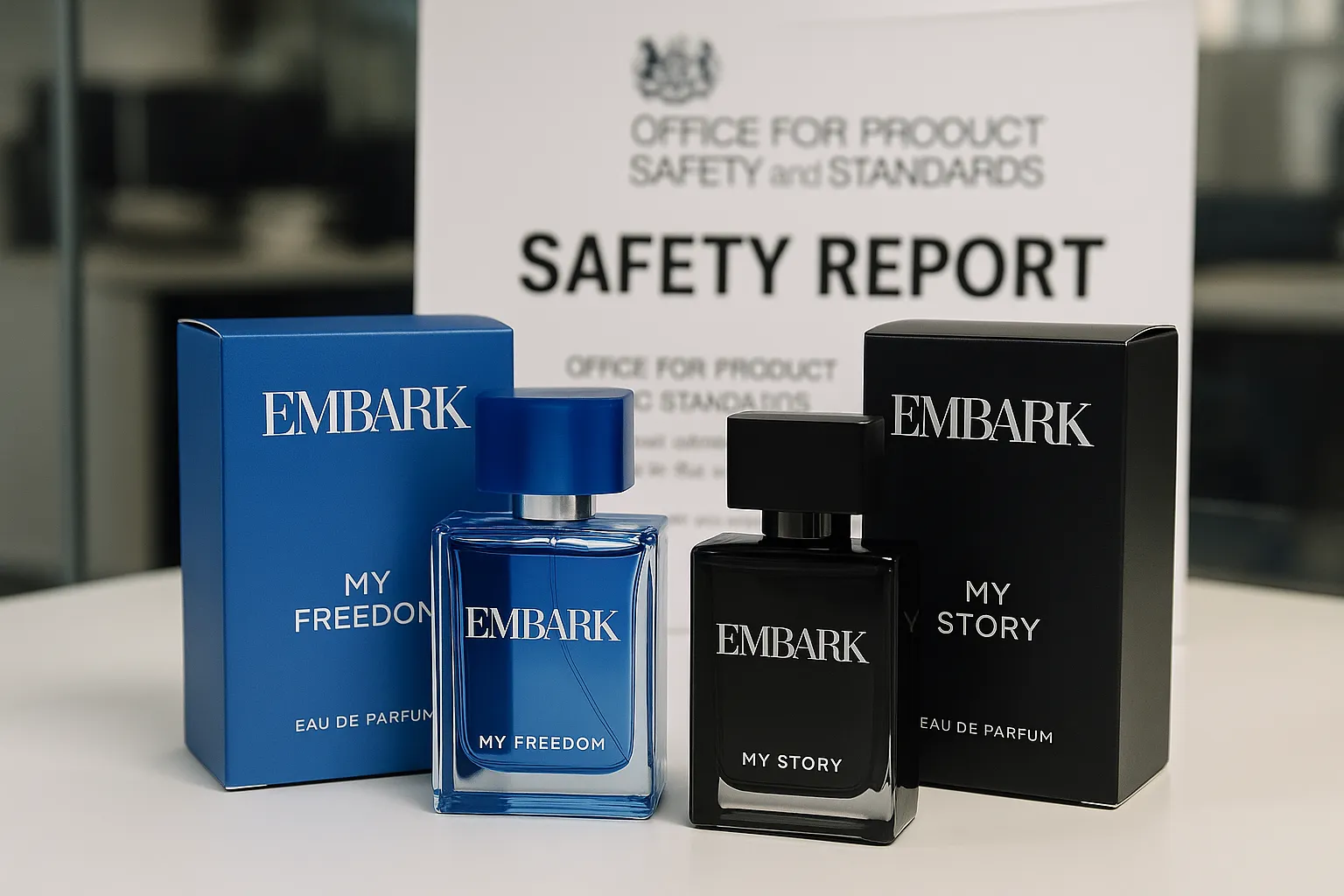
– Perfumes identified as Embark My Freedom and My Story.
– Products may harm reproductive health and cause skin issues.
Full Story
A significant safety warning has been issued concerning two perfume products, identified as Embark My Freedom and Embark My Story. The Office for Product Safety and Standards (OPSS) released this alert earlier this week, highlighting serious chemical risks associated with these fragrances. According to the OPSS report published on December 22, these perfumes contain butylphenyl methylpropional (also referred to as BMHCA or lilial), a substance that is prohibited in cosmetics sold within the UK.
The OPSS noted the potential dangers posed by this chemical, stating in their announcement, “The products present a serious chemical risk as they contain butylphenyl methylpropional (BMHCA/lilial), which is prohibited in cosmetic products. BMHCA may harm the reproductive system, may harm the health of the unborn child, and may cause skin sensitisation.” As a result of this finding, the agency confirmed that the products have been destroyed. Customers are strongly advised to cease using these perfumes immediately and are encouraged to reach out to the relevant distributor for refunds or other forms of redress.
Barcodes associated with these products have also been detailed in the safety report: 8906096162023 and 8906096160074, with additional identifiers noted as RS.845.00 B230502L. Both fragrances are packaged in blue and black containers and are reported to originate from India. The OPSS report also raises questions about the authenticity of these goods, stating that it is “unknown” whether the products in question are counterfeit.
This recent alert comes in the wake of another significant announcement from the Food Standards Agency (FSA). The FSA has issued a recall on a popular item from the Brookie Bakes brand due to concerns about undeclared peanuts in their 68g Dubai Bar Pistachio & Knafeh. This recall was also made known to the public on December 18 and was considered necessary following potential health risks posed to individuals with peanut allergies.
According to the FSA’s communication, “This product may contain peanuts making it a possible health risk for anyone with an allergy to peanuts.” The company has taken proactive steps to inform relevant allergy support organisations to ensure those affected are aware of the situation. Consumers who have purchased the affected item are urged not to consume it if they have a peanut allergy, as all batch codes and best before dates are affected by this warning.
These developments underscore the importance of vigilance regarding product safety in consumer markets. As authorities strive to protect public health, incidents such as these highlight ongoing challenges in ensuring that products meet regulatory standards. Consumers are advised to remain alert and informed about recalls and safety warnings, ensuring they are aware of the potential risks linked to certain products.
In both cases, whether it be the perfumes from the OPSS alert or the confectionery recall by the FSA, the emphasis on consumer safety remains paramount. With increasing awareness of chemical sensitivities and food allergies, regulatory bodies are continually called upon to monitor product safety closely. The responsibility also lies with consumers to take precautionary measures, such as checking product labels and staying informed about the latest safety advisories.
As the festive season approaches, which traditionally sees an uptick in consumer purchases, these safety alerts serve as a reminder of the critical need for stringent regulatory compliance by manufacturers. Both the OPSS and the FSA have urged producers to adhere strictly to safety guidelines to mitigate any potential hazards to public health.
The findings relayed by the OPSS regarding the perfumes point to a larger trend of increased scrutiny on cosmetic ingredients. The public’s preference for transparency regarding the composition of personal care products has grown significantly, pushing brands to reconsider the chemicals they use in their formulations. Meanwhile, the FSA’s action concerning Brookie Bakes illustrates the vigilant monitoring of food safety, a critical component in safeguarding the wellbeing of individuals with specific dietary restrictions.
As consumers navigate the complexities of product safety, they are encouraged to report any unsafe items they encounter to the appropriate authorities. Both the OPSS and FSA emphasise their commitment to consumer protection and will continue to take necessary actions in response to potential safety issues.
In conclusion, both of these cases highlight the continuous need for consumer awareness regarding product safety—whether it is the cosmetics they apply or the food they consume. The path forward involves collaboration between regulatory bodies, manufacturers, and consumers working together to ensure a secure marketplace. Individuals are urged to keep abreast of any further developments relating to these alerts as they unfold in the days and weeks to come.
Our Thoughts
To prevent the serious chemical risks associated with the perfumes Embark My Freedom and Embark My Story, stricter compliance with UK cosmetic regulations, particularly Regulation (EC) 1223/2009, should have been enforced. This regulation explicitly prohibits the use of certain hazardous chemicals, such as butylphenyl methylpropional (BMHCA), which can cause reproductive harm and skin sensitisation.
Product safety management systems should include thorough ingredient vetting processes and regular audits to ensure compliance with safety regulations. Additionally, manufacturers and distributors must enhance their quality control measures to ensure that all products meet safety standards before reaching consumers.
Regarding similar incidents, increased public awareness about product safety and clear labeling can prevent consumer exposure to unsafe products. Companies should be encouraged to establish transparent recall procedures and facilitate quick consumer notifications when hazards are identified.
Failure to adhere to these regulations may lead to enforcement actions by the OPSS and potential legal repercussions for manufacturers, underpinning the need for robust health and safety compliance in cosmetic products to protect public health.