















Story Highlight
– Nestle and Danone recalled baby formula due to contamination.
– Contamination traced to a shared ingredient supplier.
– Danone’s recall involved Aptamil product with cereulide toxin.
– FSA advises parents to stop using affected formulas.
– Ongoing investigations aim to trace all contaminated products.
Full Story
Concerns over the safety of baby formula have arisen following two significant recalls initiated by leading manufacturers Nestlé and Danone, both of which have traced their issues to a common ingredient supplier. The Food Standards Agency (FSA) has confirmed that contamination is at the heart of these recalls, issuing urgent warnings to parents and caregivers.
Jodie Wild, the head of incidents at the FSA, elaborated on the findings, stating that “ongoing investigations have identified that the contamination originated from a shared third-party ingredient supplier.” This revelation underscores the complex nature of food safety and the interconnectedness of suppliers within the industry.
In response to the contamination, Danone has initiated a voluntary recall of a specific batch of its Aptamil baby formula due to the detection of cereulide, a toxin associated with gastrointestinal distress. Wild further noted, “If further recalls are needed, we will communicate these immediately.” Parents are being urged to dispose of any affected products and consider switching to alternative formulas, particularly if the product was not solely a routine selection but prescribed by a health professional. In such cases, consulting a pharmacist or medical professional prior to making any changes is advisable.
The guidance from the FSA extends to families that may have inadvertently fed the contaminated product to their infants. “If you have fed it to your baby and are concerned, contact your GP or NHS 111 for advice,” Wild added, highlighting the need for vigilance among parents.
Urgent action is being taken by the FSA alongside manufacturers to identify all products that may have been impacted by the contaminated ingredients, with an emphasis on swiftly eliminating these items from the marketplace. The agency is also collaborating with the UK Health Security Agency (UKHSA) and local authorities to evaluate sampling methods, seeking to ensure the thoroughness of their response to this troubling incident.
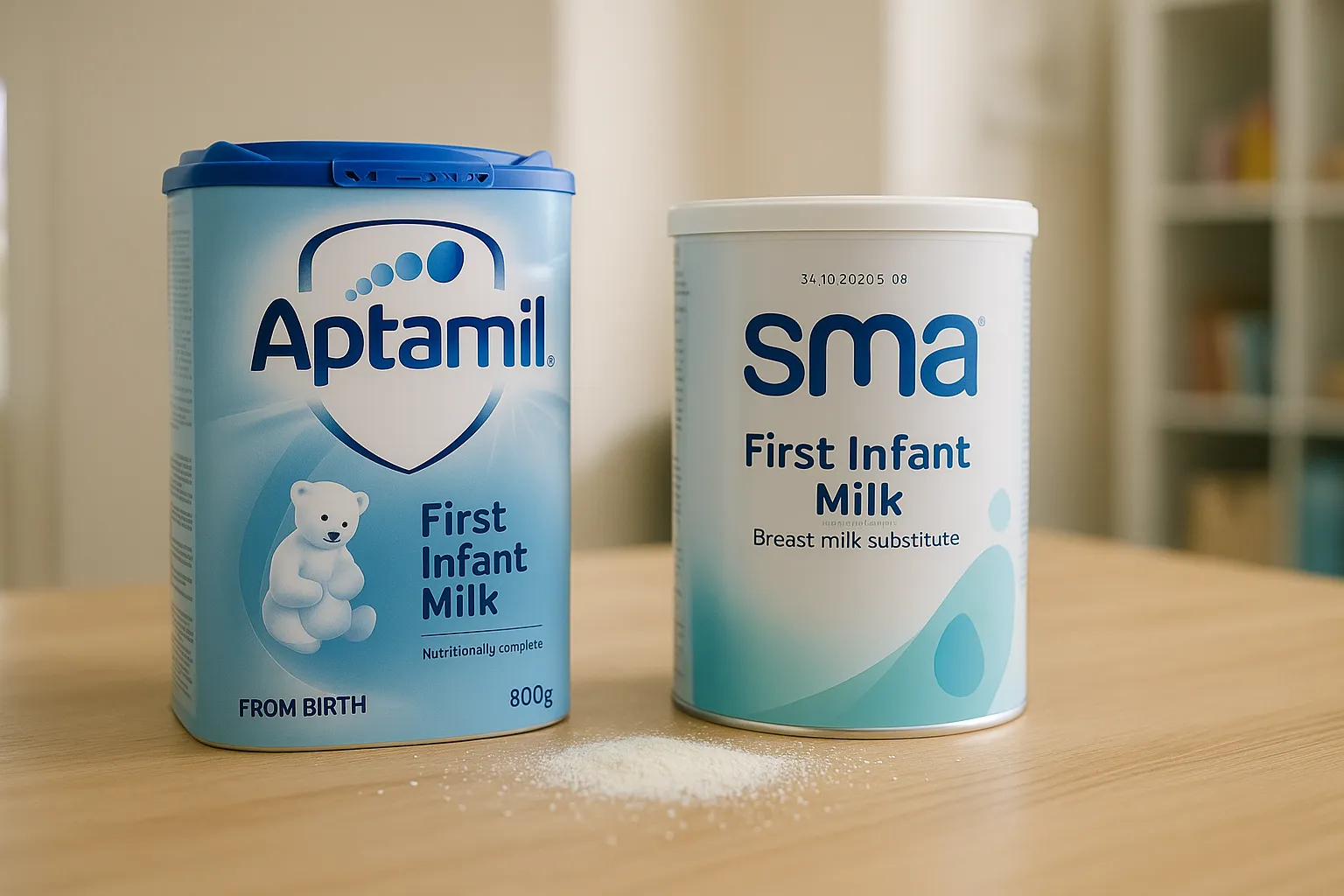
On January 23, Danone announced the recall of one batch of its Aptamil product, which included 800g packs of Aptamil First Infant Formula labelled with a best-before date of October 31, 2026. Although the recall pertains specifically to this batch within the UK, the implications extend beyond the local market, as similar products in other countries have also been flagged due to contamination concerns.
Prior to Danone’s announcement, on January 6, Nestlé had already taken precautionary measures by recalling multiple varieties of its baby formula. This included popular products such as SMA Advanced First Infant Milk, SMA Advanced Follow-On Milk, SMA Anti Reflux, and others that had been impacted due to the shared supplier issue. Nestlé indicated that the contamination risk arose from an ingredient sourced from a prominent supplier, stressing the need for stringent quality control.
The FSA has advised affected consumers to check their cupboards for the impacted formulas, directing them to additional information available on the food regulatory website and Nestlé’s official communications for specifics regarding batch numbers and product details.
As public awareness grows, the FSA is encouraging parents to stay informed about food safety issues by signing up for food alerts through the government’s food safety platform. The agency emphasises the importance of consumer vigilance in safeguarding the health of young children, particularly as infants are among the most vulnerable populations.
Expert commentary has emerged from child health professionals expressing concern regarding the swift response needed in similar cases, urging that manufacturers, suppliers, and regulatory bodies work harmoniously to prevent such scenarios. Dr Sarah Johnson, a paediatric consultant, articulated the broader implications of such recalls, stating, “Product recalls not only pose immediate health risks but can also erode consumer trust in trusted brands.”
The incident has reignited discussions about the safety standards within the baby formula industry, prompting calls for enhanced regulatory oversight. Stakeholders from various sectors are anticipated to evaluate current practices to bolster the safety of food products aimed at infants.
The overlap in issues affecting both Nestlé and Danone underscores a critical juncture for manufacturers seeking to reassure parents about the integrity of their products. As investigations continue, the FSA remains committed to transparency, pledging to provide updates regarding its collaborative efforts with the suppliers involved.
In summary, the recalled products, stemming from contamination linked to a shared ingredient supplier, highlight the necessity for continued caution and quality assurances in the baby food sector. Parents are reminded to remain observant and proactive in checking for recalls while staying attuned to advice from health authorities during this critical period. The FSA has underscored its readiness to provide ongoing support and guidance to ensure that the health and safety of children remain paramount in the face of food safety challenges.
Our Thoughts
To prevent the contamination incidents involving Nestle and Danone baby formula, stronger supplier management and quality assurance protocols should have been enforced. The use of a shared third-party ingredient supplier, without adequate monitoring of their practices, highlights a failure to comply with the Food Safety Act 1990 and the General Food Law Regulation (EC) 178/2002, which require businesses to ensure the safety of food products throughout the supply chain.
Key safety lessons include the importance of rigorous vetting and regular auditing of suppliers, particularly those supplying critical ingredients for vulnerable populations like infants. Implementing a more robust traceability system could have allowed for quicker identification and isolation of contaminated batches.
To prevent similar incidents in the future, companies should establish more stringent supplier agreements that include mandatory safety audits and testing for harmful substances, as mandated by the Food Safety (General Food Hygiene) Regulations 1995. Improved communication channels for immediate reporting and corrective actions would also enhance response times during food safety crises. Additionally, ongoing training for staff on food safety regulations could further mitigate risks associated with ingredient sourcing and product safety.