














Story Highlight
– Shell fined over £560,000 for offshore rig incident.
– 1,550kg of crude oil released on Brent Charlie platform.
– 176 workers at risk of fire and explosion.
– Incident attributed to poor safety management and maintenance.
– Largest hydrocarbon release reported to HSE in 2017.
Full Story
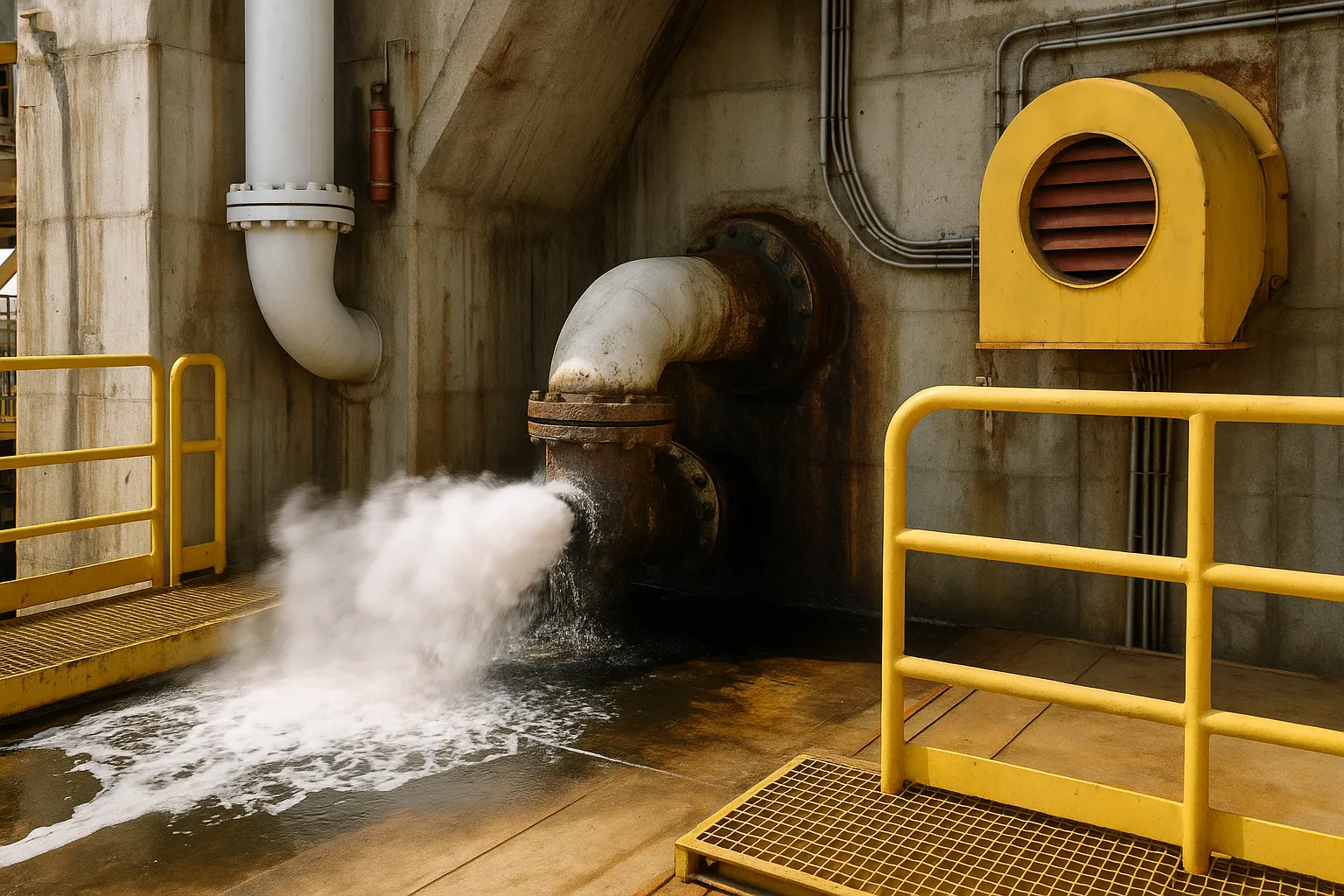
Shell has been ordered to pay a fine exceeding £560,000 following a serious incident at the Brent Charlie oil rig in the North Sea, which jeopardised the safety of over 170 personnel on site. The incident, which occurred on 19 May 2017, involved a significant failure in the pipework which led to a release of approximately 1,550kg of crude oil. This leakage resulted in a volatile mixture of hydrocarbons that posed a substantial fire and explosion risk.
On that day, a section of the Return Oil Line (ROL) pipework within the concrete structure of Column 4 broke down, triggering the uncontrolled release of hydrocarbons. In addition to the oil, a quantity of around 200kg of gas escaped, further heightening the danger. The malfunctioning ventilation system intended to manage and mitigate such hazardous situations failed to operate effectively, significantly contributing to the risk of an incident occurring.
The Aberdeen Sheriff Court addressed this grave matter, noting that it represented the largest unintentional hydrocarbon release recorded on the UK continental shelf for that year. The Health and Safety Executive (HSE) established that 176 employees were at considerable risk from a potential fire and explosion, which could have resulted had the escaping gas ignited within the rig’s concrete leg.
Investigations revealed that Shell’s safety protocols were insufficient, with the pipework in Column 4 deteriorating over several years. Originally intended for short-term use, the carbon steel pipe had been in place for an extended period well beyond its intended removal date in 2010, leading to significant corrosion and ultimately failure.
Sheriff Ian Duguid, during sentencing, noted Shell UK’s oversight regarding the temporary nature of the pipe, stating that the company “ought to have recognised that the temporary carbon steel spool was not suitable for such a line and should have been replaced.” Taking into account various mitigating circumstances, the sheriff levied a fine of £560,000 against the firm for its failure to uphold safety standards.
Dozie Azubike, an HSE Offshore Health and Safety Inspector, commented on the severity of the incident, highlighting that the hydrocarbons released from the Shell Brent Charlie installation formed the largest hydrocarbon discharge reported by the HSE in 2017. “This release occurred in a confined space with limited access – it is simply fortunate that no one was in the leg at the time, or they could have been asphyxiated from the hydrocarbon-rich atmosphere, quite apart from any fire and explosion risk,” he emphasised.
Overall, while the offshore industry has made strides in reducing the frequency of hydrocarbon releases, there remain numerous incidents each year with the potential for catastrophic outcomes if ignited. Azubike’s statements underscore the critical necessity for oil and gas companies to reassess their internal management processes, particularly regarding temporary spools, the integrity of pipework, and the rigorous frequency of inspections for safety-critical equipment.
Furthermore, this incident serves as a stark reminder of the inherent risks associated with offshore oil and gas operations. The need for robust safety management systems and proactive maintenance strategies cannot be overstated. The implications of safety lapses extend not only to operational integrity but also to the well-being of personnel who work in hazardous environments.
Industry experts have voiced concerns suggesting that Shell’s case should inspire a broader reassessment of safety practices within the offshore sector. As insights from this incident unravel, they may lead to changes in regulations governing the maintenance and inspection of pipeline infrastructures, especially those deemed temporary.
Stakeholders within the oil and gas industry are urged to foster a culture of safety that prioritises the welfare of workers above all else. With legal repercussions like those faced by Shell, companies are likely to reconsider their approaches to safety oversight and equipment management.
As new safety standards potentially emerge from investigations and court decisions, the Brent Charlie incident is set to be a pivotal case study in the offshore oil and gas sector. The expectation is for oil companies to gain insights from this case, leading to enhanced protocols that ensure the prevention of similar future occurrences.
In conclusion, the fine imposed on Shell underscores the critical importance of adhering to stringent safety guidelines within the offshore oil and gas industry. It illustrates the necessity for continuous vigilance and improvement in safety practices to safeguard workers and protect the environment from future risks.
Our Thoughts
The Shell incident on the Brent Charlie platform highlights significant failures in safety management and maintenance practices. To avoid the catastrophic risk posed by the uncontrolled hydrocarbon release, Shell should have adhered to the Offshore Installations (Prevention of Fire and Explosion, and Emergency Response) Regulations 1995 (PFEER) more rigorously. Key lessons include the necessity of regular maintenance and timely removal of temporary installations, such as the defective pipework, which should have been replaced as per the original plan in 2010.
Additionally, the failure to ensure proper functioning of the ventilation systems is a critical breach that exacerbated health and safety risks. Regular safety audits and inspections tailored to address the maintenance history and condition of safety-critical equipment would likely have prevented the extensive corrosion and subsequent malfunction.
Enhanced management of change processes for temporary installations, combined with a structured approach to internal corrosion monitoring, could further mitigate risks associated with future operations. This incident serves as a reminder that adherence to safety regulations and diligent maintenance practices are essential to safeguarding personnel in high-risk environments.