














Story Highlight
– Yellow snow and ice warnings issued across much of UK.
– Up to 40cm of snowfall expected in Scotland.
– Travel delays and cancellations anticipated this weekend.
– Health alert warns of increased risks to vulnerable individuals.
– Urgent advice to pack essentials during travel disruptions.
Full Story
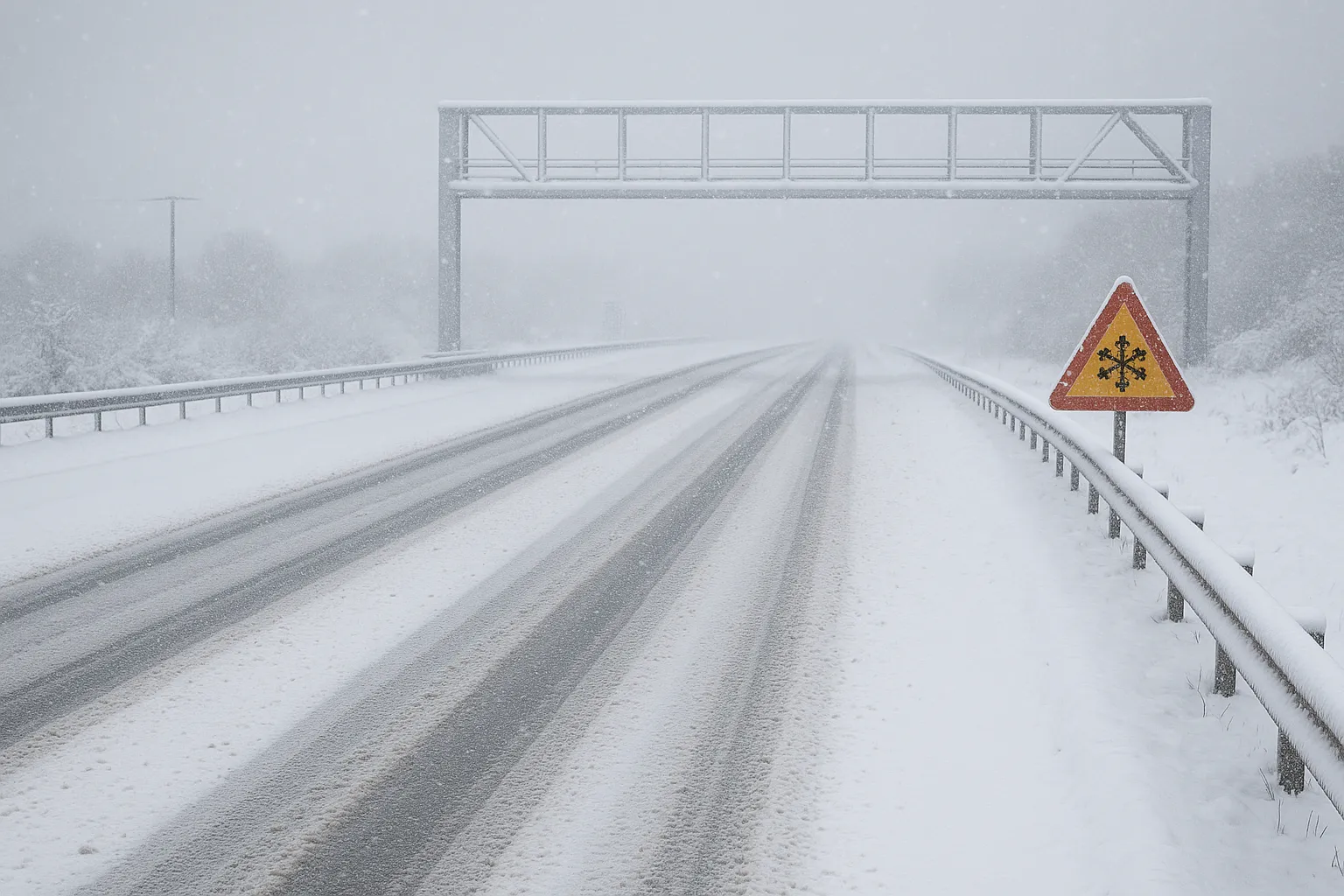
Snow and ice alerts have been issued across various regions in the UK this weekend, extending into early next week as Arctic conditions bring frigid temperatures and significant snowfall. Yellow warnings are currently in effect for Scotland, the south-west, north-west, and eastern parts of England, as well as Wales and Northern Ireland, continuing until the end of Monday.
In Scotland, heavy snow has already blanketed some areas, with the Met Office forecasting accumulations of up to 40cm (15 inches) in the northern regions. For England and Wales, expected snowfall amounts are likely to reach about 5cm. Daytime temperatures are set to hover around low single digits across most of the UK, with certain areas in northern Scotland experiencing sub-zero readings.
Travel across the country is anticipated to face significant disruptions. With power outages and delays in transit expected, the Highland Council has strongly advised residents to avoid travel unless absolutely necessary. The amber warnings, previously spanning parts of the north-east, Highland, Perth and Kinross, Shetland, and Angus, concluded on Saturday at midday.
Public transport is already feeling the effects of the adverse weather, with ScotRail indicating potential cancellations or delays to train services. Meanwhile, multiple incidents have been reported on roads in Derbyshire, Leicestershire, and Nottinghamshire, as advised by National Highways, prompting drivers to seek alternative routes when possible.
With the new year ushering in exceptionally cold conditions, regions throughout England, Wales, and Scotland are grappling with Arctic air causing temperatures to dive. The Met Office anticipates sub-zero temperatures will become widespread across the country overnight from Friday, with forecasts suggesting lows of -6C to -8C in core areas of Scotland, while rural settings in England, Wales, and Northern Ireland may see temperatures drop to between -4C and -5C.
As weather patterns persist into the weekend, snow showers are predicted for Scotland, Wales, Northern Ireland, and along the south-west and east coasts of England, whereas dry, wintry sunshine may break through in other regions. The yellow weather alerts for ice and snow are set to remain in place through Sunday and Monday across numerous impacted areas, with the latest updates readily available through the weather service’s platforms.
In light of the freezing temperatures, health officials have raised concerns regarding the burdens placed on NHS services. Health Secretary Wes Streeting has highlighted that the “bitingly cold snap” could exacerbate existing pressures on hospitals, urging the public to utilise Accident and Emergency services solely for urgent cases. The UK Health Security Agency has issued health alerts for various regions across England, valid until January 9.
This amber cold health alert has been triggered due to the anticipated severe effects of the cold weather on health and social care facilities, particularly in the East Midlands, West Midlands, North East, North West, South East, South West, East of England, Yorkshire and the Humber, and London. The UKSA has warned that the predicted plummeting temperatures pose heightened risks of heart attacks, strokes, and respiratory infections, especially for individuals over the age of 65 and those with pre-existing health conditions. Additionally, icy surfaces increase the likelihood of falls, presenting another danger as winter weather persists.
As conditions may cause unpredictability in travel and health, experts are advising citizens to take precautionary measures. Motorists should ensure they are prepared for possible delays by planning routes in advance and keeping essential items, such as warm clothing, water, blankets, and ice scrapers, in their vehicles.
For those looking to stay up to date with the constantly evolving weather situation, the latest forecasts can be found on reputable weather platforms, including the Met Office and BBC Weather. As conditions develop, it is advisable to remain vigilant and informed to safeguard health and maintain travel safety amid challenging circumstances.
Our Thoughts
The article highlights the severe winter weather affecting much of the UK, leading to disruptions, travel delays, and health risks. To mitigate such incidents, proactive measures could involve implementing robust weather-related risk assessments and contingency plans in compliance with the Management of Health and Safety at Work Regulations 1999.
Transport companies and local authorities should enhance communication regarding travel advisories and encourage non-essential travel restrictions during severe weather conditions. This aligns with the Health and Safety at Work etc. Act 1974, which mandates ensuring the safety of the public and employees.
Additionally, principal safety lessons include the importance of preparing for adverse weather by providing clear guidance and essential items for motorists, as outlined in safety campaigns. Employers can ensure employees are informed about weather conditions and proper travel protocols to minimize accidents, thus reducing breaches of the Health and Safety (Offences) Act 2008.
Regular safety training on winter driving conditions could also prevent incidents related to ice and snow. Implementing these strategies would help limit the risks posed by severe weather, safeguarding public health and safety.