
















Story Highlight
– Unusual home smells may indicate serious health risks.
– 50,000 Google searches for home smells in November.
– Fishy smell can signal overheating electrical components.
– Burning smell from radiators often due to dust buildup.
– Musty odors linked to damp and mold issues.
Full Story
**Unusual Household Odours: A Signal of Potential Health and Safety Hazards**
Homeowners are being urged to take notice of unusual smells in their residences, as these odours may indicate hidden health and safety issues. Recent data reveals that in November alone, the phrase “smell in house” garnered approximately 50,000 searches on Google UK. This surge indicates that many households are facing unexplained indoor fragrances that could pose risks if neglected.
Ben Rawson, an expert in electrical heating, emphasizes that certain smells should not be dismissed lightly. He identifies three specific odours that could be cause for concern and advises homeowners on the appropriate responses to these warning signs.
**The Hidden Dangers of Fishy Odours**
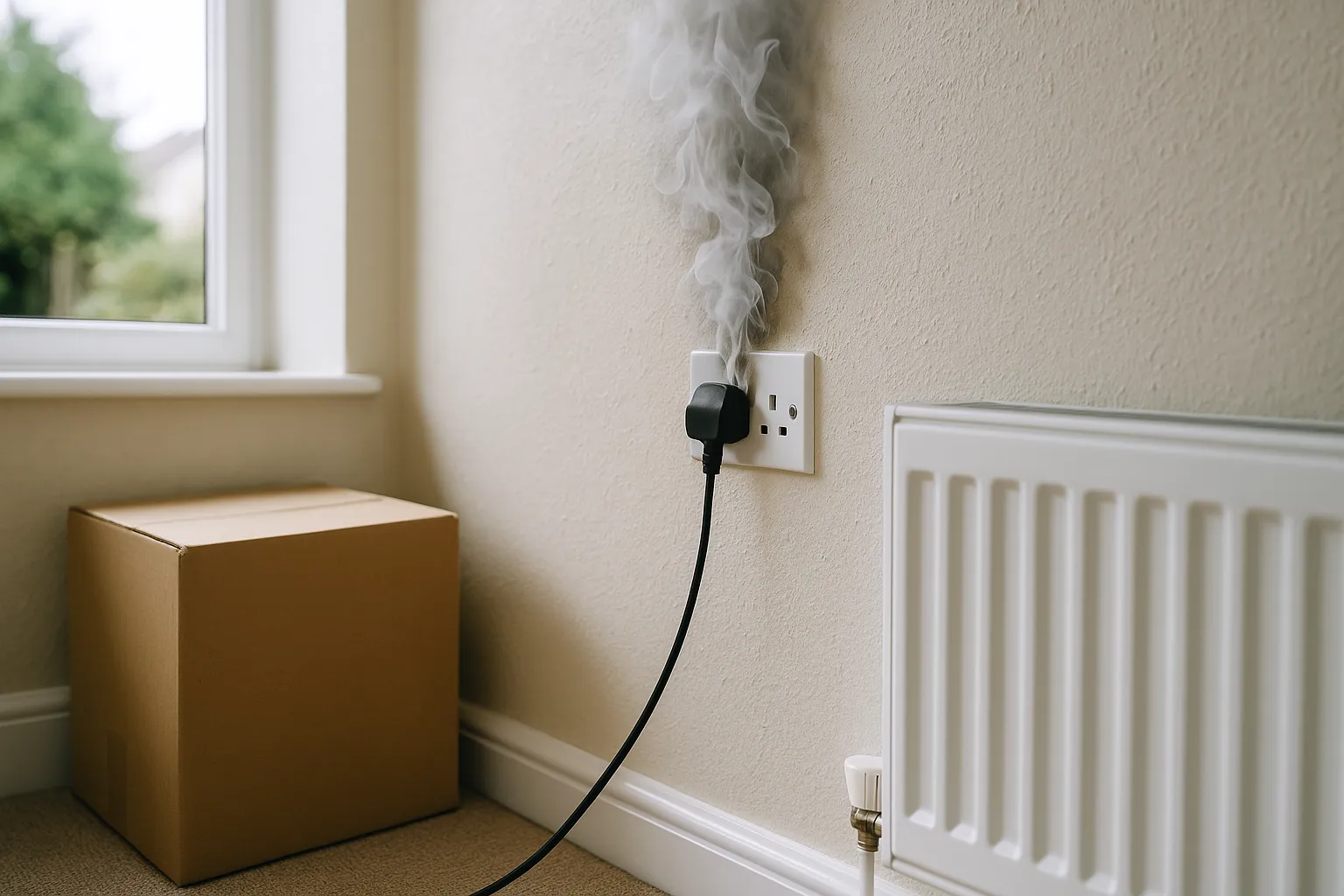
A fishy or metallic scent often carries more weight than mere discomfort. Such a smell may suggest overheating within electrical components such as wiring, outlets, or sockets. The potential for these issues escalating into electrical fires is significant if they remain unattended.
Rawson advises immediate action: “To avoid electrical fires, switch off and unplug any appliances that were recently in use as an initial step. Refrain from using outlet sockets, switches, or extension cables that feel warm to the touch.” He reminds homeowners not to attempt repairs themselves but rather seek the expertise of a qualified electrician.
**Burning Smells from Radiators**
A burning scent is a common occurrence, especially when heating systems are activated after prolonged periods of inactivity. Dust and debris can accumulate in radiators, and when these systems are turned on, the heating elements can cause the particles to burn off, resulting in a noticeable burnt odour.
To minimize such smells from electric radiators, Rawson recommends taking preventive steps. “To avoid the burning smell in electric radiators, make sure to clean prior to turning them on. Disconnect the radiator from the power supply to prevent electric shocks and allow it to cool down completely.” He suggests using a vacuum cleaner or a soft cloth to remove dust from the vents. For a more thorough cleaning, a mixture of warm water and soap applied with a microfibre cloth can help maintain the external surfaces.
**Musty Smells and Concerns About Mould**
During the colder months, musty smells can become more prevalent, particularly as reduced ventilation leads to dampness accumulating indoors. Rawson warns that these odours often indicate the presence of mould, which can cause not only structural damage but also health issues such as respiratory problems if left unaddressed.
He advises homeowners to adopt protective measures when cleaning mould. “To clean mould, protect yourself with a mask and gloves. Use a mixture of water and white vinegar to scrub affected surfaces. To prevent future mould growth, regularly open windows to allow fresh air to circulate. Consider investing in heaters that utilize radiant heat as they keep walls and surfaces dry.”
Rawson stresses the importance of not overlooking these scents. “Smells are often dismissed as minor annoyances; however, they can be one of the earliest warning signs of serious problems,” he concluded, highlighting that taking prompt action can both safeguard health and prevent significant repair expenses in the future.
**Community Insights and Expert Commentary**
Local residents have shared their experiences regarding unusual household odours. Research conducted with homeowners reveals that many remain unaware of the potential implications of persistent smells. One homeowner who encountered a persistent musty scent expressed, “I thought it was just old furniture and didn’t think much of it, but after reading about mould, I realised I might be risking my family’s health. I immediately took steps to investigate.”
In addition to personal anecdotes, local health authorities are taking these warnings seriously. Experts in occupational health and safety encourage people to remain vigilant concerning indoor air quality. Dr Emma Talbot, a health and safety consultant, emphasized the importance of education on indoor smells, stating, “Many people don’t connect the dots between what they smell and the potential health risks. Awareness is crucial.”
As communities grapple with various environmental challenges, understanding the full impact of household scents is becoming increasingly important. The rise in interest around indoor air quality suggests that more individuals are becoming proactive in managing their home environments.
In conclusion, while peculiar odours in the home may initially seem trivial, they warrant careful consideration. With expert advice advocating for immediate action in response to unsettling smells, homeowners are encouraged to stay alert, maintain awareness, and safeguard their living spaces for better health and safety outcomes.
Our Thoughts
The article highlights the significance of unusual smells in homes, which may indicate serious safety risks such as electrical faults, mould, and damp. To prevent incidents stemming from these issues, several actions could have been implemented.
1. **Regular Maintenance**: Homeowners should conduct routine inspections of electrical systems and appliances to identify wear or overheating, reducing the risk of electrical fires.
2. **Education and Awareness**: There is a need for increased awareness among homeowners regarding the health and safety implications of unusual smells and the importance of addressing them promptly.
3. **Use of Qualified Professionals**: Encouragement should be provided to homeowners to seek the assistance of qualified electricians and professionals when dealing with electrical components or suspected mould issues, thus adhering to the Health and Safety at Work etc. Act 1974 which mandates the safe management of work-related risks.
4. **Ensuring Ventilation**: Maintaining proper ventilation within properties can mitigate damp and mould growth, aligning with the Management of Health and Safety at Work Regulations 1999, which emphasize risk assessments and mitigation strategies.
In summary, proactive measures regarding maintenance, education, and professional intervention could significantly reduce the health and safety risks associated with these domestic issues.