










Story Highlight
– Wes Streeting fears NHS collapse amid upcoming doctor strikes.
– Flu cases at record levels, straining NHS resources.
– BMA criticized for scheduling strikes during critical December period.
– Doctors voting on government offer to potentially avert strikes.
– Streeting offers to delay strikes to reduce patient risk.
Full Story
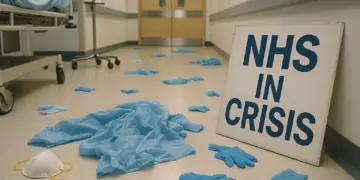
Wes Streeting, the Health Secretary, has expressed significant concern regarding the potential impact of an impending strike by resident doctors, particularly in light of rising flu cases. He indicated that the challenges facing the NHS have intensified, with the situation described as being at “one minute to midnight.” Streeting cautioned that the current spike in flu infections is generating “probably the worst pressure the NHS has faced since Covid.”
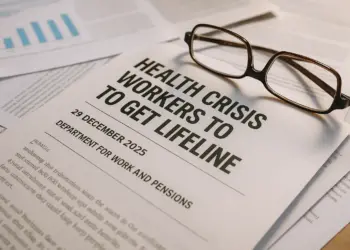
In a recent interview on LBC radio, Streeting called attention to the timing of the British Medical Association’s (BMA) strike, criticising the union for electing to protest in December. He noted, “They know that this week will be most painful for the NHS.” The BMA is presently conducting a vote among its members on a new government offer, which, if accepted, could prevent the strike from occurring. However, if the proposal is rejected, medics are poised to strike for five consecutive days starting at 7am on December 17.
During the broadcast, Streeting elaborated on his concerns, stating the challenges posed by a finite number of healthcare professionals and resources. “The thing I’m genuinely fearful of is that, even if I throw more money at this situation now… there’s only a finite number of doctors and staff,” he explained. He added that the influx of patients due to flu alongside other pressures could overwhelm the system, emphasizing, “I just don’t think there is a lever I can pull… that means I can sit on your programme and guarantee patient safety over the next week.”
Streeting’s comments highlighted the overarching worry not just for himself but for frontline doctors and NHS staff. When prompted about whether the NHS’s viability was critically endangered, he confirmed, “Effectively, yeah.”
Recent statistics released on Thursday paint a concerning picture: flu cases have surged to unprecedented levels for this time of year, with hospitalised cases rising by 55% in one week, leading to an average of 2,660 patients daily last week. Streeting identified a “particularly aggressive strain” of flu as a contributing factor to the intense strain on NHS resources.
He expressed that the seasonal pressures facing the NHS are compounded by the looming threat of strikes. “If we didn’t have strikes looming over us, I would be extremely worried about that situation,” he stated. The holiday period historically poses challenges for the health service, and Streeting indicated that while the NHS could generally manage the seasonal increase in demand, the combination of strikes and illness presents a troubling scenario. He voiced his apprehension, stating the situation is “dangerous” and poses serious risks to patient safety.
In a commentary for The Times, Streeting likened the potential strikes over Christmas to the “Jenga piece that collapses the tower” of the NHS. His remarks stress the critical interplay of timing and pressure on the healthcare system, which already experiences heightened activity during the festive season.
Further discussing the situation on LBC, Streeting revealed he had proposed extending the BMA’s strike mandate until February, allowing the union the flexibility to shift strikes to the new year. “I cannot understand why, when I offered to rearrange strikes in January, why they didn’t take up that offer,” he remarked, suggesting that the union’s refusal might indicate an awareness that the current week presents uniquely painful challenges for the health service. He added, “Most painful for me, sure, but… I don’t understand why the BMA have not been willing to compromise in that way.”
The BMA has opened an online poll for its members to vote on the government’s proposed deal, which is set to close on Monday, just days before the proposed strike is scheduled to begin. The outcome of this vote will significantly influence the operational landscape of the NHS in the coming weeks.
Stakeholders across the healthcare sector are watching these developments closely, understanding that any actions taken by the BMA will not only affect the doctors involved but also have far-reaching implications for NHS services at a time when flu cases are peaking and winter demand is surging. The potential for a dual crisis involving strike action and public health emergencies raises the stakes considerably, making the forthcoming decisions of BMA members critical in shaping the immediate future of healthcare delivery in the UK.
As discussions continue, the pressure on the government to find a resolution becomes increasingly urgent, with Streeting highlighting that while financial resources are essential, they cannot compensate for the shortfall in staff and essential care provisions during a critical period for the NHS. The coming days will be pivotal in determining the course of action and the overall wellbeing of the health service as it heads into one of the busiest times of the year.
Our Thoughts
To mitigate the challenges facing the NHS amid the looming strikes and surging flu cases, several steps could have been taken. Firstly, effective communication and negotiations between the government and the British Medical Association (BMA) could have led to an earlier resolution, potentially averting the strike action during a critical period. Enhanced contingency planning, including activating emergency protocols and allocating additional resources in anticipation of increased demand, would comply with the Health and Safety at Work Act 1974, which mandates employers to ensure the health and safety of employees and the public.
Additionally, preparing for seasonal surges through improved staffing strategies and increased recruitment could have better managed patient load, thereby reducing risk to patient safety in accordance with the Management of Health and Safety at Work Regulations 1999. A risk assessment regarding the impact of strike action on patient care would also be essential to identify potential hazards and mitigate them effectively.
Overall, fostering a collaborative approach and preemptively addressing expected pressures could significantly enhance the resilience of the NHS.