












Story Highlight
– Hospitals in UK adopting sustainable practices in surgery.
– Leeds Teaching NHS saved £22,000 and reduced CO2 emissions.
– 50% hospitals use ineffective waste segregation methods.
– 90% desire more sustainable waste disposal measures.
– New guidance recommended for safe reuse of surgical equipment.
Full Story
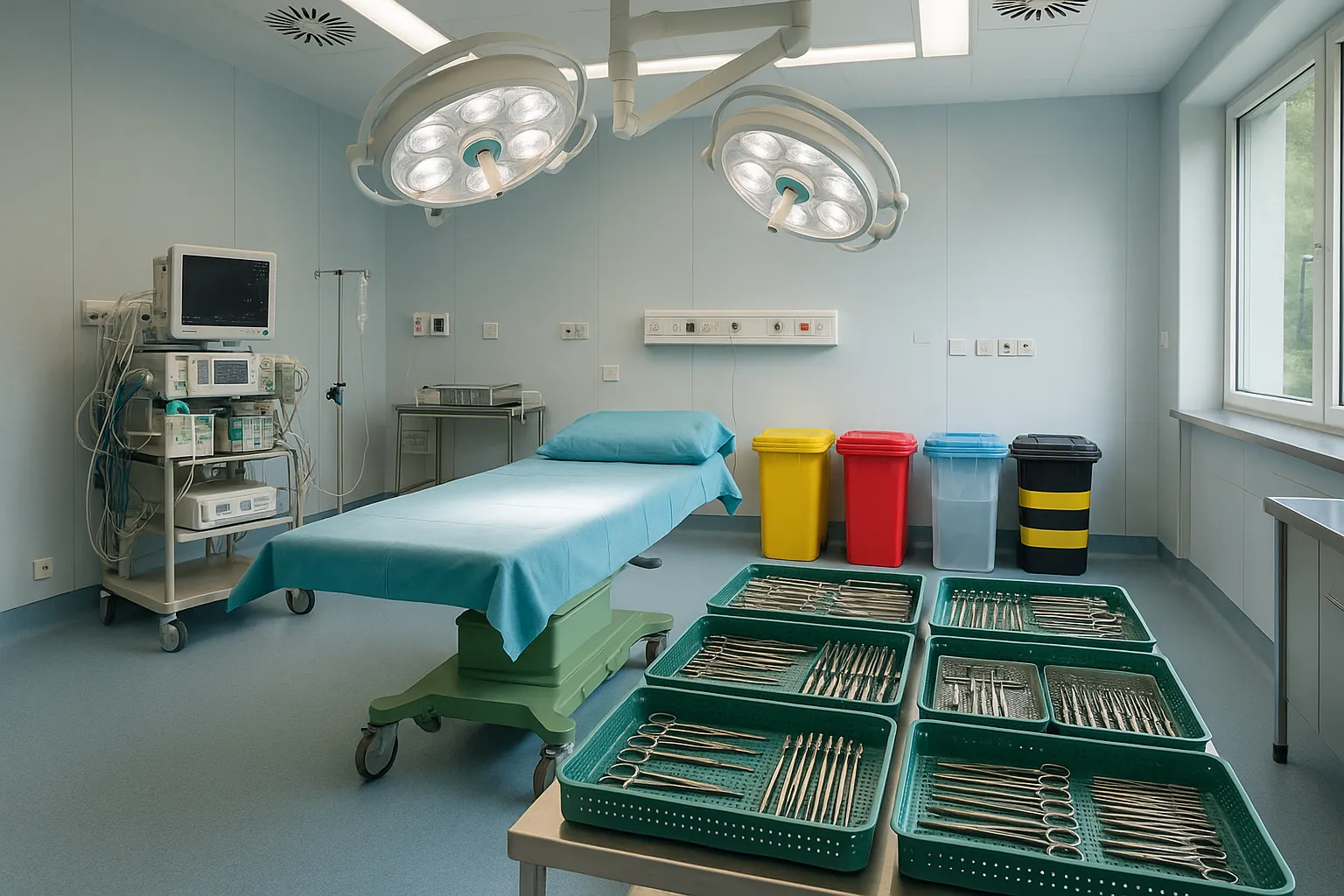
A recent report sheds light on the strides made by hospitals across the UK in implementing environmentally sustainable practices within their operating theatres and surgical procedures. The document highlights case studies from various institutions, notably the Leeds Teaching NHS Trust, which has taken significant steps to standardise surgical instrument trays for common operations. This initiative has resulted in financial savings of £22,000 annually and a reduction of approximately three tonnes of carbon dioxide emissions each year.
Professor Aneel Bhangu, who holds the position of Professor of Global Surgery and Surgical Systems at the University of Birmingham, articulated the report’s message, stating, “Our report highlights the will, the need and the way forward to make surgery greener here in the UK. Examples from around the country show how innovation is leading to environmental and financial benefits for the NHS – all while maintaining the highest standards of safety and quality.” His remarks underscore the dual aims of enhancing sustainability while ensuring patient safety and care quality remains paramount.
In addition to specific case studies, the report incorporates findings from a comprehensive survey conducted across 39 hospital trusts. The survey explored current practices regarding waste segregation in surgical environments, revealing significant discrepancies among institutions. Notably, 50% of respondents admitted to using black, orange, and clear bags for waste disposal, practices that often result in waste being sent directly to landfill or incineration. In comparison, only 30% of hospitals were utilising the yellow and black striped ‘tiger’ bags designated for non-hazardous hygiene waste, which offer both environmental advantages and cost savings.
Alarmingly, the survey also revealed a lack of awareness surrounding proper waste management among healthcare personnel. Approximately 30% of respondents expressed uncertainty regarding the correct methods for waste disposal, which can lead to hazardous materials being improperly discarded, further exacerbating environmental concerns. Despite this, an encouraging 90% of participants indicated a desire for improved sustainable disposal practices. Many reported that they already engage in recycling behaviors at home and would be willing to adopt similar practices in their professional environments.
However, awareness of current waste management initiatives in operating theatres remains low. Only 30% of survey participants were informed about any existing waste management protocols, and fewer than half could identify the appropriate contacts for discussing waste sustainability in their workplaces.
The report’s findings have led to the formulation of several policy recommendations aimed at advancing sustainability in surgical practices. These include the development and dissemination of new guidelines to support the safe reuse of surgical equipment and a call to action for Trusts and clinicians to grasp new sustainable waste management practices effectively.
The research was conducted by the Green Surgery team within the NIHR Global Surgery Unit, an entity focused on pioneering impactful research on environmentally sustainable surgical operations. This team is dedicated to raising awareness about the necessity for sustainability in healthcare, facilitating training sessions, and hosting dissemination events to share critical insights with the medical community. Their efforts are bolstered by funding from the NIHR Programme Grant dedicated to developing environmentally sustainable operating theatres.
The initiative epitomises a growing trend within the NHS, where there is a concerted effort to reconcile high-quality healthcare with environmental responsibility. As hospitals strive to enhance their ecological footprint, the trends identified in this report could serve as a blueprint for other institutions looking to adopt similar sustainable practices.
In light of these findings, the call for action rings clear. To achieve real progress in environmental sustainability across the healthcare sector, effective communication and training on waste management are vital. Equipping hospital staff with the necessary resources and knowledge will be crucial to fostering a culture of sustainability within surgical environments.
Furthermore, the success demonstrated by facilities such as Leeds Teaching NHS Trust serves as a compelling case for other hospitals to explore similar strategies. The financial incentives, alongside the environmental benefits, reveal that the transition to greener practices is not merely an altruistic endeavour but one that can yield tangible rewards.
As sustainability continues to rise on the healthcare agenda, the recommendations outlined in the report could herald a new era of greener surgical practices in the UK. Ultimately, the successful implementation of these measures could pave the way for a more environmentally conscious healthcare system—one that prioritises patient care alongside ecological stewardship.
The push for greener surgeries exemplifies a broader shift within the NHS towards sustainability, highlighting the role healthcare institutions can play in addressing climate change. As these practices gain traction, the hope is that a robust framework for sustainable surgery will emerge, ensuring that future generations can continue to enjoy high-quality medical care in an environmentally responsible manner.
Our Thoughts
The reported issues highlight significant lapses in waste management practices in UK hospitals, which could be addressed through improved training and adherence to health and safety regulations. Key lessons include the necessity for consistent waste segregation and proper disposal methods to comply with the Hazardous Waste (England and Wales) Regulations 2005 and the Control of Substances Hazardous to Health (COSHH) Regulations.
To prevent mismanagement, hospitals should implement comprehensive waste management training for staff, ensuring they understand the importance of using designated waste bags correctly. Regular audits of waste disposal practices could also identify areas of improvement and reinforce the protocols to reduce environmental impact and enhance safety.
Furthermore, increased awareness around available initiatives and resources on sustainable practices can empower staff to engage actively in compliance. Establishing clear lines of communication regarding waste management policies and the safe reuse of instruments will be crucial for ensuring that all personnel are informed about best practices in sustainable healthcare. Implementing these measures would contribute to aligning hospital operations with regulatory requirements, thus improving both safety and environmental outcomes.