
















Story Highlight
– Two swimmers went missing on Christmas Day in Devon.
– Cold sea temperatures increase risk of cold water shock.
– UKHSA issued amber cold health alert for south-west England.
– Surf Lifesaving Club offers water safety advice for swimmers.
– Alcohol and certain health conditions heighten swimming risks.
Full Story
People intending to take part in New Year’s sea swims are being encouraged to exercise caution, following the disappearance of two individuals during a Christmas swim at Budleigh Salterton in Devon. The two missing men are aged 64 and one in his 40s, raising serious concerns about safety in cold water conditions.
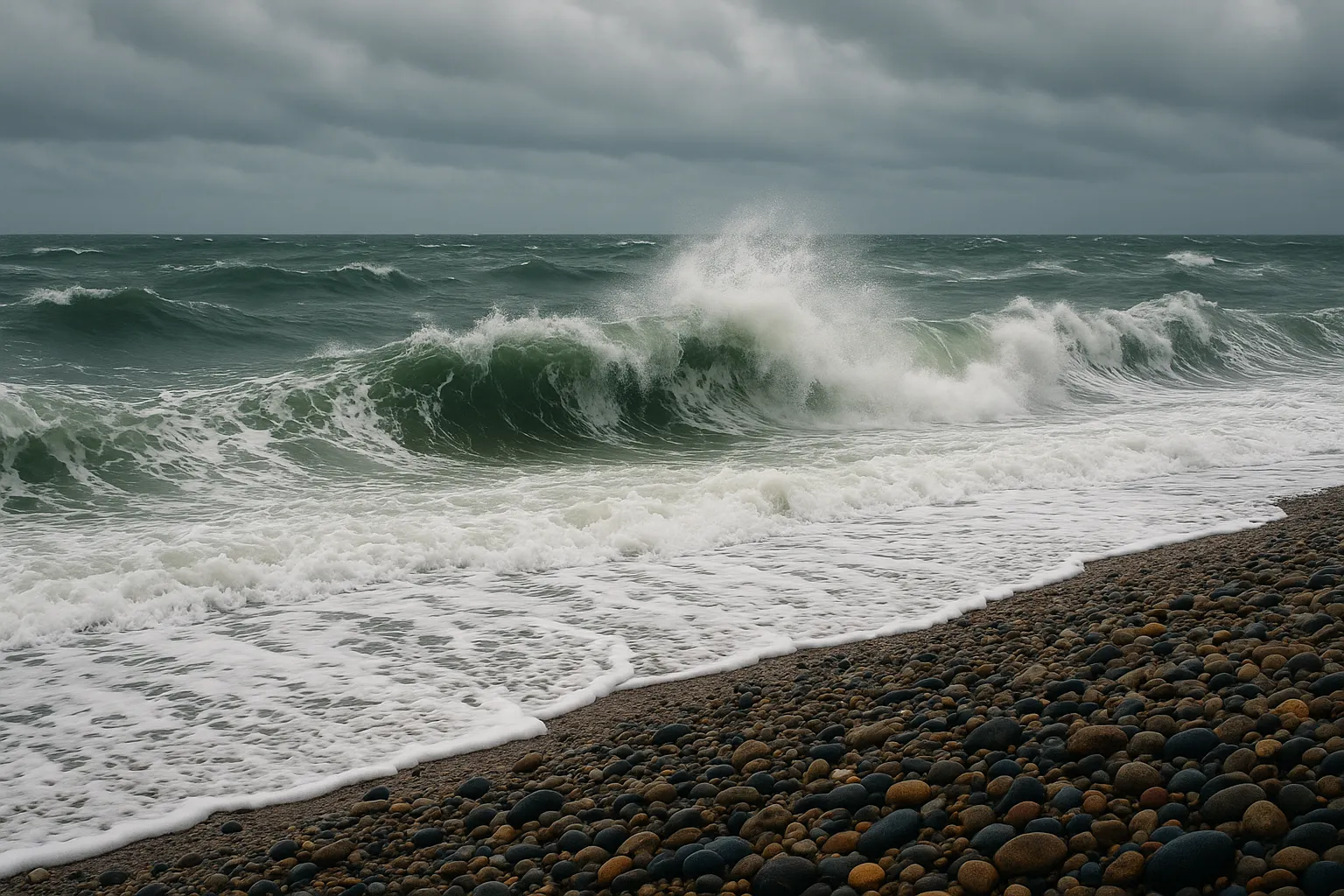
The Royal National Lifeboat Institution (RNLI) has warned that winter sea temperatures generally range between 6°C and 10°C (42.8°F to 50°F). Conditions at these temperatures can pose significant risks, as cold water shock becomes a genuine threat for swimmers entering waters below the safer threshold of 15°C (59°F). Gareth Morrison, the RNLI’s head of water safety, emphasised the importance of awareness regarding the risks involved in such activities. “We are urging anyone entering the water to be aware of the dangers, check sea conditions carefully and to understand their own limitations,” he stated.
In conjunction with the RNLI’s warning, the UK Health Security Agency (UKHSA) has issued an amber alert regarding cold health risks in the south-western region of England. This alert is set to remain in effect from 20:00 GMT on 31 December until 10:00 on 6 January. The agency has highlighted that the anticipated weather conditions could lead to “significant impacts across health and social care services” and predict an increased demand for these services.
Compounding the situation, the Met Office has also issued a yellow warning for adverse weather conditions, including strong winds, snow, and ice. According to the National Water Safety Forum (NWSF), almost 200 accidental drownings were reported in the UK in 2024, underscoring the dangers of swimming in perilous conditions.
Professor Mike Tipton, who chairs the NWSF and runs the Extreme Environments Laboratory at the University of Portsmouth, discusses the risks associated with cold water swimming. “People say it wakes them up, activates them. That’s the fight-or-flight response,” he explained. Upon entering icy water, individuals experience a rise in stress hormones, which can lead to dangerous situations. The professor elaborated that the body’s “cold shock response” often causes gasping reflexes within the first few seconds of immersion, contributing to approximately 60% of open-water deaths annually.
Furthermore, he pointed out that water temperature is just one of several factors influencing swimmer safety; the conditions of the beach also merit consideration. “You could quite easily have a tonne of water hitting you when you go into some of these sea states,” he cautioned, advising those uncertain about conditions to reconsider their decision to swim.
At Gyllyngvase Beach in Cornwall, the tradition of New Year’s Day swims continues to attract participants each year. Lois Leonard, a member of the Gylly Bay Surf Lifesaving Club, noted that club members will be on hand to provide safety guidance to swimmers. “We’re not here to tell anybody whether it’s safe to go into the water or not, and we’re not here as a life-saving service,” she clarified. Instead, the focus is on providing water safety advice and educating individuals about potential hazards.
Leonard’s tips for individuals considering a dip involve a series of precautionary measures: entering the water gradually, initially splashing the body to acclimatise, wearing a wetsuit, and avoiding alcohol consumption. “Please, we don’t want anybody running in and diving in, that really is very, very dangerous and can result in cold water shock,” she noted. “If you’re feeling worse for wear after a few drinks, give it a miss. The sea will be there another day.”
The Outdoor Swimming Society has echoed these safety reminders, particularly noting that certain health conditions may heighten the risks of cold immersions. Individuals who are pregnant, suffer from asthma, or have other respiratory issues should be particularly vigilant, as these factors can exacerbate the body’s reaction to cold water. Heart conditions also pose serious threats; sudden immersion in icy water may spike heart rate and blood pressure, increasing the likelihood of heart failure or stroke.
For those making a decision to swim, preparation remains key, according to the society’s advice. Key points include swimming sober, as even minimal alcohol consumption can adversely affect judgement, ensuring the presence of a safe exit point before entering the water, and being well aware of local conditions and hazards. It is also crucial to correctly assess one’s swimming capabilities and to be conscious of sudden depth changes or obstacles within the water.
As activities around New Year’s celebrations unfold, these warnings serve as a crucial reminder of the potential dangers posed by cold-water swimming. Local authorities and safety groups continue to advocate for the wellbeing of participants, emphasising that understanding one’s limitations and responding appropriately to conditions can prevent unnecessary tragedies in the water.
Our Thoughts
The tragic incident involving two missing swimmers highlights significant lapses in safety precautions that could have been avoided through adherence to UK Health and Safety legislation. Key lessons include the importance of conducting risk assessments and providing adequate safety advice prior to engaging in sea swims, especially in winter conditions. The Health and Safety at Work Act 1974 mandates that employers ensure safety for employees and visitors. In this case, event organizers could have implemented more robust safety measures.
Relevant regulations breached include the Management of Health and Safety at Work Regulations 1999, which requires effective communication of hazards and the need for personal protective measures, such as wearing wetsuits and avoiding alcohol before swimming.
To prevent similar incidents, it is vital to promote awareness of cold water shock and prepare swimmers with comprehensive safety briefings, stressing the importance of assessing weather and water conditions. Additionally, providing supervision and emergency response resources at popular swim events would further mitigate risks. Lastly, encouraging participants to swim with a buddy system could enhance safety and support.