










Story Highlight
– Boil water notice in effect for 24,000 homes.
– Supply issues affecting Kent and East Sussex regions.
– Boiling water kills bacteria, makes it safe to drink.
– Vulnerable populations at risk from unboiled water.
– Unboiled water safe for non-consumptive uses only.
Full Story
Residents across Kent and East Sussex are under continuing advisories to boil their tap water before consumption due to health concerns stemming from recent supply disruptions. Although some progress has been made in restoring water services to approximately 24,000 households impacted by the outages, South East Water has cautioned that the water remains unsafe for drinking without boiling until at least 13 December.
The advisories, initiated as a precautionary measure, aim to mitigate potential public health risks. South East Water has confirmed that while water supplies are being reinstated, it is crucial for residents to boil any water intended for drinking, cooking, or oral hygiene. As stated by the company, this boil water notice is designed to prevent illness resulting from water that has not been adequately treated.
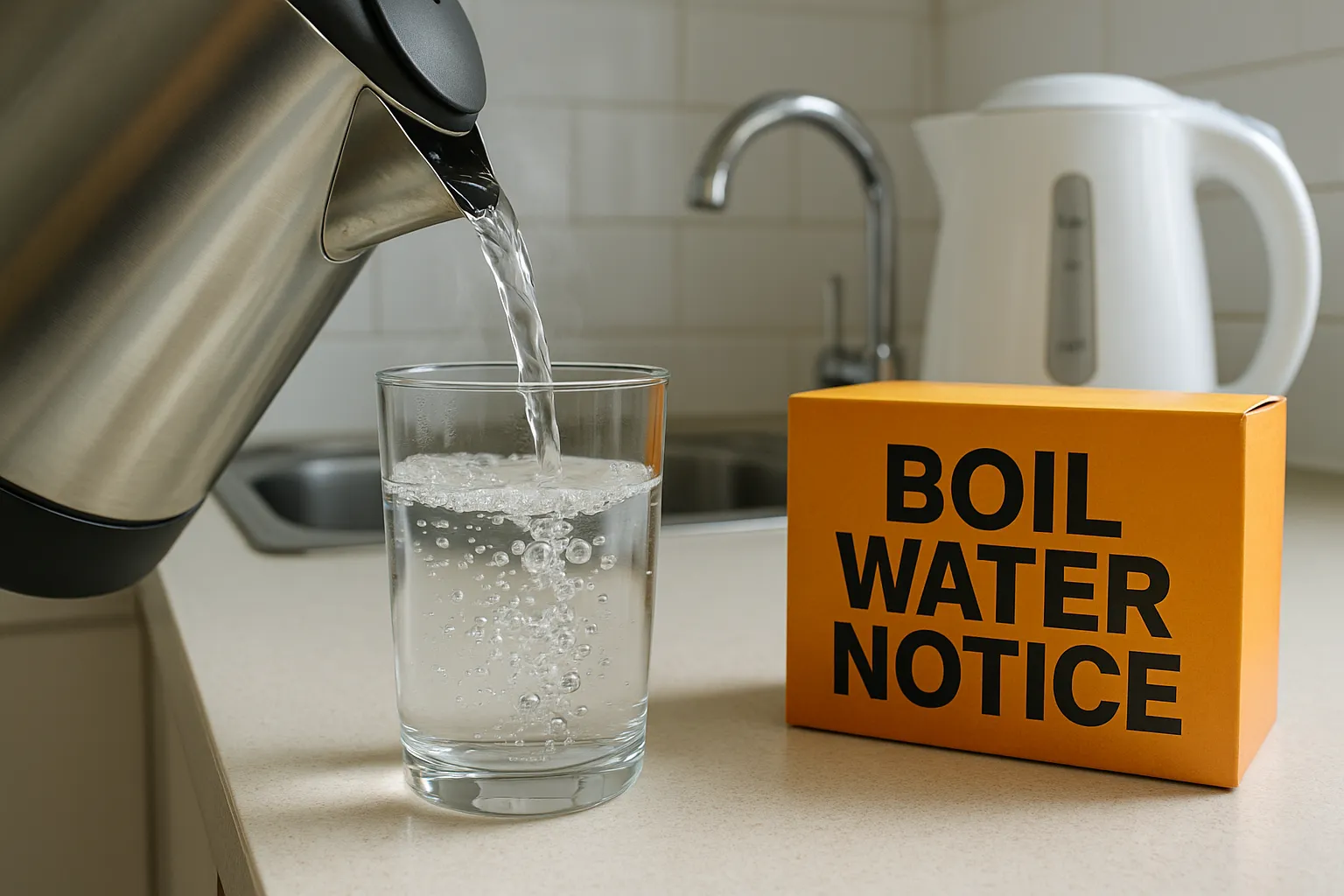
As residents begin to see the return of their water supply, South East Water is clear that boiling water is necessary to eliminate any harmful pathogens that could be present. The Drinking Water Inspectorate (DWI) advises that water must reach a rolling boil before being used. Subsequently, it should be cooled and kept in a covered container for safe storage.
While the water is being restored, South East Water has reassured residents that it is safe for non-consumptive uses such as flushing toilets, showering, and washing. According to the water company, the returning supply is deemed chemically safe for these activities. However, for pet owners, it is recommended that any water given to pets should also be boiled and allowed to cool before use.
Those with vulnerable individuals in their households, such as young children, should exercise particular caution. The Kent Community Health NHS Foundation Trust has emphasized that boiled tap water should be used for any consumption by children, particularly in preparing baby formula or washing infants. Parents are advised against using unboiled water for these crucial tasks.
While the health risk from the tap water primarily impacts individuals with weaker immune systems—like the elderly and young children—experts have underlined the importance of the boil water advice. Professor Hugh Pennington, an expert in Bacteriology at the University of Aberdeen, warned that drinking the non-boiled water could potentially lead to gastrointestinal issues, including diarrhoea and vomiting, especially after prolonged exposure.
Despite the ongoing issues, South East Water has insisted that there is currently no evidence of contamination in the system. Nonetheless, the quality of the water is not yet up to regulatory standards, making boiling the water essential for safety.
The boil water notice was implemented on 4 December and is expected to last for ten days, affecting areas including Tunbridge Wells, Pembury, and parts of East Sussex such as Frant. Although supply has been restored to several affected households, customers are reminded that the water must be boiled before consumption until further notice.
In recent days, affected customers have experienced significant inconveniences as they adapt to the temporary guidelines. Local residents have expressed their frustrations over the disruptions, but many acknowledge the importance of prioritising health in these situations. The community spirit has been evident, with neighbours sharing resources and information about the boil water directive to ensure that everyone is aware and following the necessary precautions.
As the situation develops, South East Water is continuously monitoring the water quality and expects to provide updates on the status of the boil water notice. Residents are encouraged to remain vigilant and adhere strictly to the boil water guidelines to protect their health during this temporary crisis.
This situation serves as a critical reminder of the importance of reliable water supply systems and the need for swift action in the face of service interruptions. Local health authorities continue to work alongside water companies to ensure the safety and well-being of communities, particularly in areas vulnerable to issues stemming from infrastructure failures.
The full impact of the water supply disruptions will likely be assessed in the coming weeks, as residents take stock of any potential long-term effects. For now, residents are urged to be proactive in boiling their water and to follow official advice until assurances can be made about the safety of the water supply. Links to further resources and updates from South East Water will be provided as necessary to keep the community informed.
Our Thoughts
The incident involving the water supply issues in Kent and East Sussex highlights critical safety lapses that could have been addressed. To prevent such occurrences, the water company should have conducted thorough risk assessments and maintained proper monitoring of the water quality to ensure compliance with the Water Supply (Water Quality) Regulations 2016. Moreover, failure to meet the regulatory requirements indicative of safe drinking water signals a breach of the Health and Safety at Work Act 1974, as adequate systems to ensure public safety were not adequately implemented.
Key safety lessons include the importance of effective communication with the public about potential risks associated with drinking contaminated water and the measures required to mitigate those risks. Regular audits and preventive maintenance of the water treatment and distribution systems could also be crucial in preventing similar incidents.
To avoid future scenarios like this, water companies should invest in infrastructure upgrades, ensure proper employee training on safety standards, and develop contingency plans for rapid response to water quality deviations. This proactive approach could significantly safeguard public health and ensure compliance with UK health and safety legislation.