















Story Highlight
– Penryn Town Council postpones weed contractor decision.
– Public complaints cite glyphosate’s cancer and bee risks.
– Councillor calls glyphosate use excessive and harmful.
– Alternative removal methods will be explored before decision.
– Concerns grow over glyphosate’s potential ban in 2024.
Full Story
A recent decision by the Penryn Town Council to delay the selection of a contractor for weed control highlights growing public concern over the use of glyphosate, a herbicide that has received criticism for its potential health risks, including links to cancer and detrimental impacts on pollinator populations. This move comes in response to complaints from residents, prompting officials to seek alternative weed management strategies during an upcoming meeting scheduled for early January.
The council’s deliberation follows a campaign led by local residents advocating for caution regarding glyphosate. Council member Mael Garrec noted that 80 residents had expressed their wish for the vote to be postponed, arguing that the use of glyphosate, which is harmful to bees, is an extreme measure. He remarked, “Using glyphosate, which kills bees to kill weeds, is like using a sledgehammer to swat a fly.”
In light of the rising safety concerns, a council spokesperson confirmed that the decision to appoint a contractor had been postponed to allow for a review of alternative weed removal methods. The councillors will reconvene to reassess their options on January 5.
The situation in Penryn reflects a broader trend across the UK, where various councils have begun to reconsider the use of glyphosate in light of health and environmental issues. The herbicide’s application is non-selective, resulting in widespread plant death when used, which has raised alarms among environmental groups and the general public. In some regions, councils have outright banned glyphosate, while others have significantly reduced its usage due to the associated risks.
Local advocacy group Penryn Buzz has been vocal about the implications of glyphosate use. Spokesperson Kevin Thomas pointed to Wadebridge, one of the UK’s early adopters of a pesticide-free policy, which has found success employing methods such as manual weeding and hot foam treatments. He expressed disappointment over Penryn Town Council’s contemplation of glyphosate, stating, “Having achieved such positive results in our community over the last eight years, we are dismayed to hear that Penryn Town Council is considering spraying glyphosate-based herbicide. We have deep concerns about the impact of its use both for the health of our local community and our environment.”
Thomas referenced the impending expiration of glyphosate’s licence from the Health and Safety Executive, which is set for December 2026, suggesting that new scientific studies might lead to a ban in the near future. He concluded, “With the possibility that its use will be banned in the UK next year, exposing our community at this time is unacceptable.”
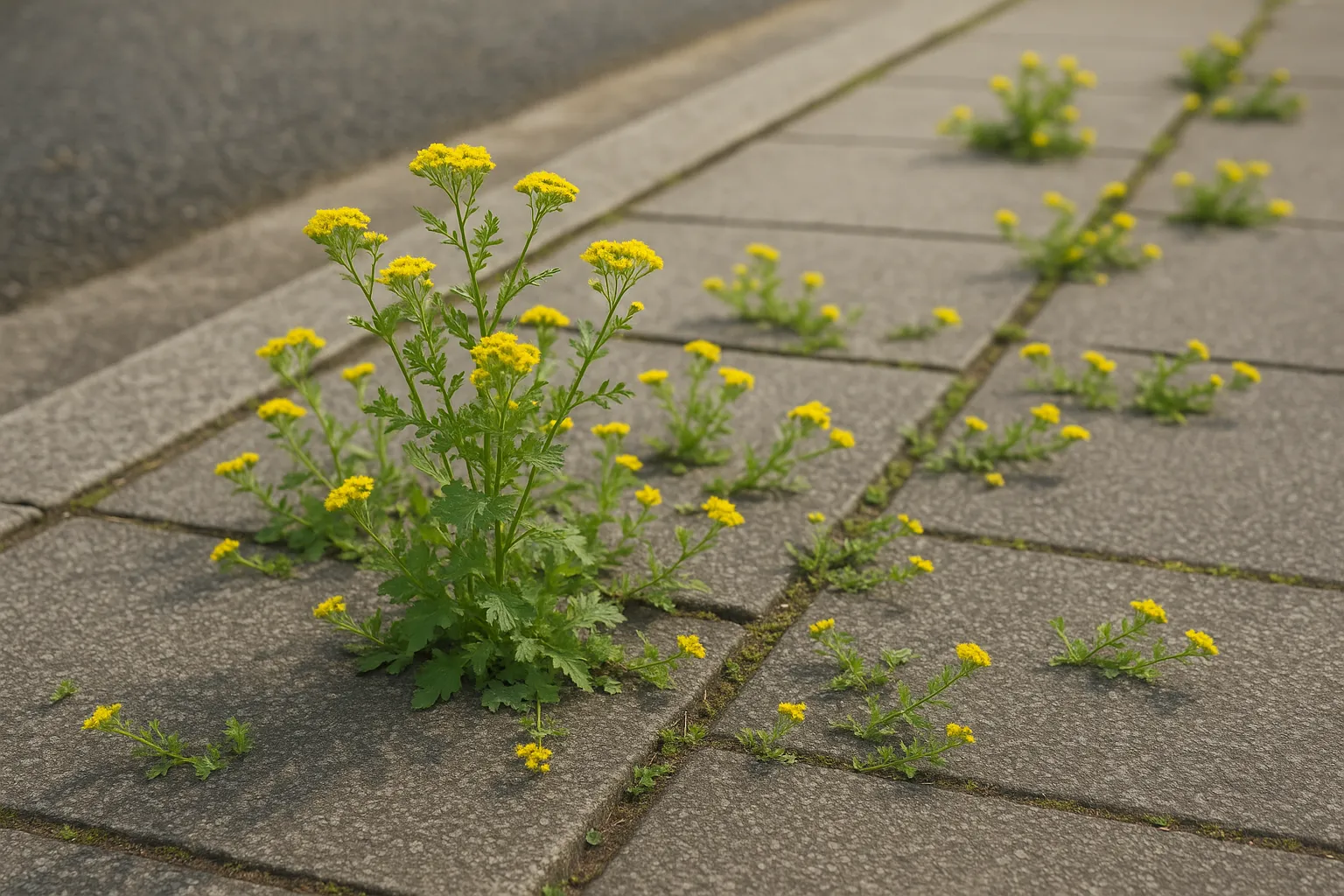
In previous years, Penryn Town Council had collaborated with Falmouth Town Council for its parks maintenance. Councillor Debra Clegg acknowledged that glyphosate had been utilized under certain guidelines—primarily limited to ensure safe, accessible public areas—during periods when budget cuts led to reduced weed control efforts. She elaborated that uncontrolled plant growth on pavements could create hazards for pedestrians. Clegg specified that the council adheres to stringent application protocols using controlled-droplet applicators, ensuring the herbicide’s application is minimal and targeted.
While alternative methods for weed control, such as mechanical removal and horticultural vinegar, have been explored, Clegg indicated that none have proven to be viable in practice—either in terms of effectiveness or cost. She maintained that the council strives to balance public safety with a commitment to reducing chemical usage and promoting local biodiversity.
The continuing debate regarding glyphosate illustrates the tension local councils face between maintaining urban spaces and safeguarding environmental health. As discussions unfold in Penryn and beyond, the emphasis on sustainable practices and local biodiversity is likely to shape future policies and implementations in weed control.
Residents and local advocacy groups are encouraged to participate in community discussions to advocate for safer alternatives in managing the town’s green spaces. As public sentiment grows increasingly alert to the ecological impacts of traditional weed control methods, councils may find themselves pressured to adopt innovative and environmentally friendly practices.
By remaining responsive to community concerns and exploring sustainable strategies, Penryn Town Council can demonstrate a commitment to both public safety and the protection of vital pollinator species. The actions taken in the coming months will not only influence the immediate local environment but could also set a precedent for similar councils grappling with the challenges of modern herbicide use.
Our Thoughts
The decision by Penryn Town Council to consider using glyphosate for weed control raises several health and safety concerns under UK legislation, particularly the Health and Safety at Work Act 1974 and the Control of Pesticides Regulations 1986. To avoid public outcry and potential health risks, the council could have engaged in a more transparent consultation process earlier, allowing community input on alternative weed control methods. Prioritizing non-chemical solutions, such as manual weeding or advanced eco-friendly methods, could have aligned with local biodiversity goals while addressing safety concerns.
The council’s reliance on cost-effectiveness over public health and environmental safety breaches the principles of the aforementioned regulations, which emphasize worker and public safety. Furthermore, increased scrutiny of glyphosate’s safety poses a risk of regulatory changes that may ban its use, indicating a need for contingency plans that prioritize integrated pest management strategies.
To prevent similar incidents, councils should proactively invest in research and trials of alternative methods and maintain ongoing dialogue with environmental groups, ensuring that safety and ecological considerations lead decision-making processes.