
















Story Highlight
– Mother shot dead by husband after giving birth.
– Murder-suicide raises hospital security concerns in Alabama.
– Authorities investigating how gun entered hospital room.
– Couple had marital issues before the tragic incident.
– Hospital violence considered extremely rare, says association CEO.
Full Story
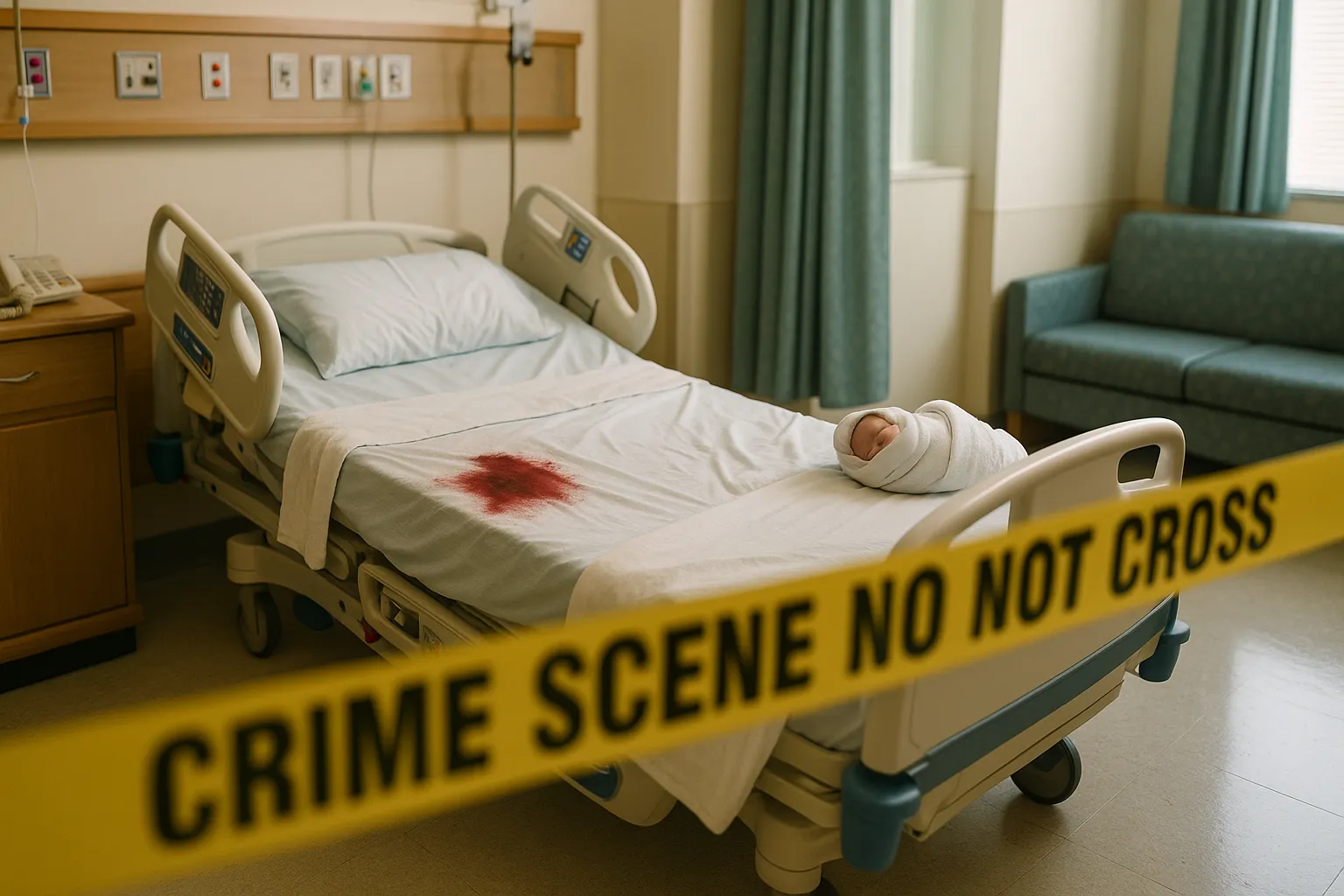
Tragedy struck a Homewood hospital in Alabama on Sunday evening as a young mother was fatally shot by her husband in what authorities are investigating as a murder-suicide incident. The distressing event unfolded shortly after Precious Johnson, 24, had given birth in a room at the Women’s Center of Baptist Health Brookwood Hospital.
Emergency services were alerted to the scene at approximately 9:30 p.m. following reports of gunfire within the hospital premises. When police arrived, they found both Johnson and her spouse, Kynath William Terry Jr., 19, deceased from gunshot wounds. Thankfully, the newborn baby was unharmed during this horrifying episode, which has since raised significant concerns regarding safety measures in medical establishments across the region.
The investigation into the incident is being led by the Homewood Police Department, who are treating the case as a murder-suicide. Specific details surrounding how Terry managed to bring a firearm into the hospital and the circumstances that led to the tragedy are still unclear. Family members have informed local media that the couple had been experiencing marital difficulties just prior to the birth of their child, which may provide context to the situation.
In an emotional response, Terry’s mother spoke with local outlet WVTM, expressing disbelief at her son’s involvement in such an act of violence. She recounted how he had recently completed his training with the Army National Guard and was eagerly anticipating the responsibilities of fatherhood. The shockwaves of this event have resonated throughout the community, prompting individuals to reflect on the levels of security within healthcare settings.
Danne Howard, president and CEO of the Alabama Hospital Association, stated that incidents of this nature are exceedingly rare in hospitals. He remarked, “I think it’s sad, but this was an isolated incident, and I will say in my 30 years of working at the hospital association and representing our hospitals in the state, this is the first time something has occurred like this.” He reiterated that hospital administrators continuously reassess safety protocols in response to serious incidents.
Howard also highlighted a significant gap in Alabama’s regulations concerning hospital security. Notably, the state does not mandate the presence of security personnel in hospitals, although many establishments maintain security plans which could incorporate measures like metal detectors or screening processes. He expressed the collective desire for hospitals to remain sanctuaries of safety, saying, “There are a few places in our world where we should feel safe — at church, our hospitals, and our homes. Unfortunately, things happen and we do not feel safe anymore.”
This tragic incident has spurred discussions in local communities and beyond about the need for enhanced security measures within healthcare facilities. Mayor of Homewood, Jennifer Andress, assured the public that her administration is fully supporting the investigation and is closely collaborating with hospital authorities to ensure a thorough inquiry into the events that transpired.
The shocking nature of the incident has left many in Alabama grappling with fear and uncertainty about safety in public health environments. Local residents have begun to voice their concerns about hospital procedures and the implications for patient care. Several community members have expressed the need for increased preventive measures, such as more rigorous security checks during childbirth and other sensitive hospital situations.
It is essential to understand that incidents like this can have a long-lasting impact on family and community dynamics. Mental health professionals are advocating for those affected to seek assistance and support in coping with the emotional aftermath of such events. As community leaders begin to address these issues, they highlight the importance of open dialogues about mental health and domestic violence.
For those facing emotional distress or requiring support, resources are available. In the United States, the National Suicide Prevention Lifeline can be reached by calling or texting 988, providing free and confidential assistance around the clock. Similarly, individuals in the UK and Republic of Ireland can contact Samaritans at 116 123 for confidential help.
This tragedy serves as a sobering reminder of the need for vigilance, compassion, and support in the face of mental health challenges and domestic strife. As the investigation progresses, it is hoped that lessons will be learned and actionable changes will be implemented to bolster hospital security and protect vulnerable individuals and families during their most critical moments. The community remains in mourning as they grapple with the aftermath of this heart-wrenching incident.
Our Thoughts
Key safety lessons from this tragic incident highlight the critical importance of robust security measures in healthcare facilities. Under the Health and Safety at Work Act 1974, employers, including hospitals, are obligated to ensure the safety and wellbeing of both patients and staff. The incident underscores the necessity for comprehensive risk assessments to identify potential threats and implement preventive measures, such as employing security personnel and installing metal detectors.
Although specific UK regulations regarding hospital security may not have been breached, the failure to adequately address known risks could be seen as a neglect of duty to protect individuals within the healthcare environment.
To prevent similar incidents, hospitals should establish clear protocols for controlling access to sensitive areas, particularly maternity wards. Regular training for staff in recognizing potentially threatening behaviors and responding effectively can also enhance safety. Collaboration with local law enforcement to develop emergency response strategies may further mitigate risks, emphasizing the need for accountability in maintaining a secure hospital environment.