












Story Highlight
– Alabama mother shot dead by husband in hospital room.
– Newborn baby unharmed during the tragic incident.
– Police investigating it as a murder-suicide case.
– Renewed concerns about hospital security protocols arise.
– Family reported marital issues prior to the shooting.
Full Story
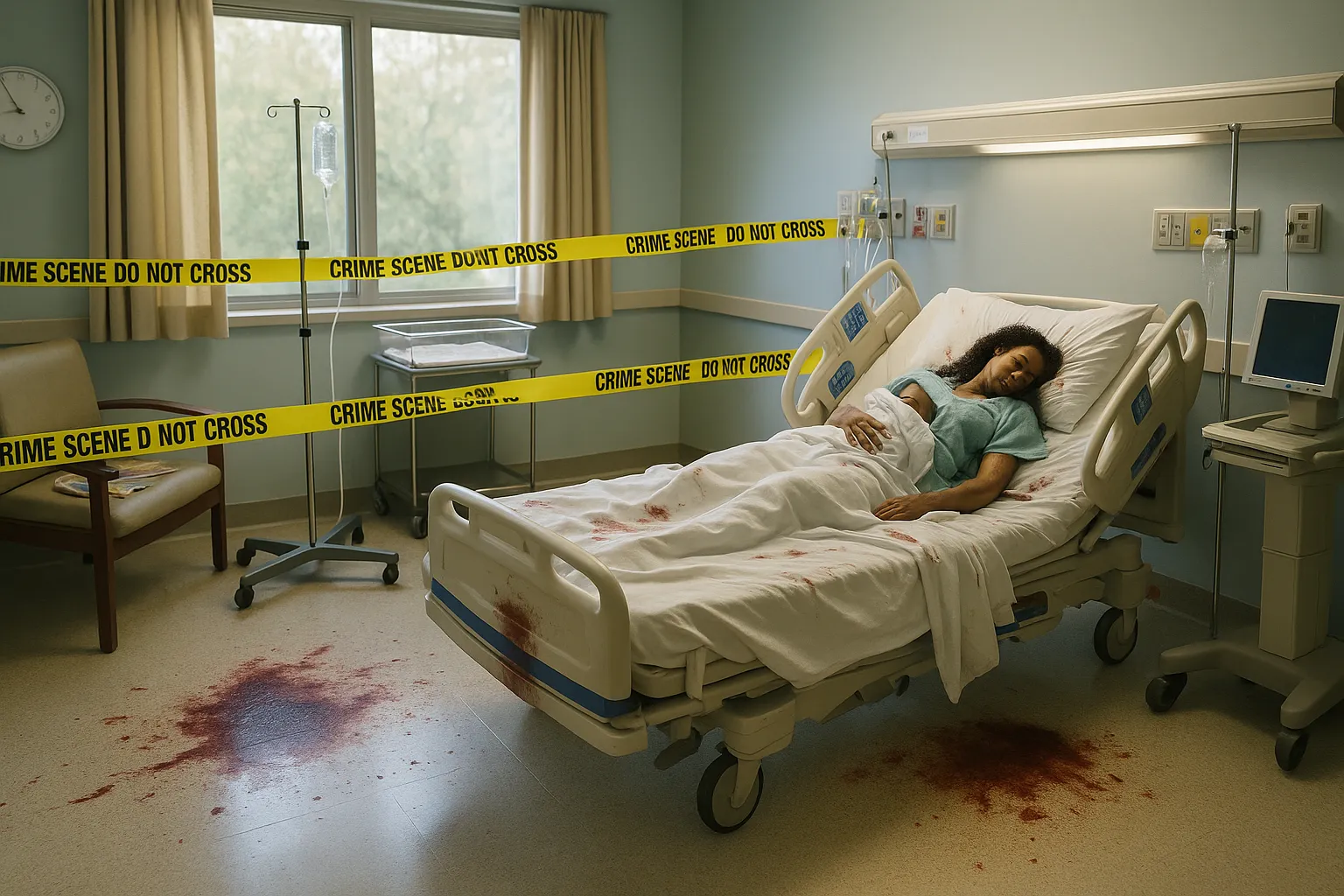
A tragic incident unfolded in an Alabama hospital on Sunday night, resulting in the deaths of a new mother and her husband in what police are investigating as a murder-suicide. The occurrence, which took place at the Women’s Center of Baptist Health Brookwood Hospital in Homewood, has raised serious concerns regarding security measures within medical facilities.
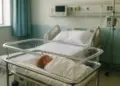
The Homewood Police Department responded to emergency calls reporting gunshots at approximately 9:30 p.m. Precious Johnson, aged 24, who had just welcomed her newborn baby, was found alongside her husband, Kynath William Terry Jr., 19, both suffering from gunshot wounds in their hospital room. Fortunately, the baby was unharmed during this tragic event, according to statements from law enforcement.
As the investigation unfolds, police have yet to disclose how Terry managed to bring a firearm into the hospital, or the events leading up to the shooting. Family members have indicated that the couple had been facing difficulties in their relationship in the days preceding the birth of their child. This context adds a layer of complexity to what law enforcement is treating as a deeply regrettable incident.
Terry’s mother expressed her disbelief regarding her son’s involvement in such a violent act, stating that he had recently completed training with the Army National Guard and was eagerly anticipating the role of a father. This revelation has further perplexed those who knew the couple, as many are struggling to reconcile these aspects with the horrific events that transpired.
Danne Howard, president and CEO of the Alabama Hospital Association, addressed reporters, acknowledging the rarity of such violence in hospitals. “It’s a deeply saddening situation, yet we believe this is an isolated incident,” she remarked, adding that in her three decades with the association, she had not encountered a similar occurrence. Howard emphasised that hospitals routinely reassess their safety protocols in light of serious incidents to enhance security for patients and staff alike.
While security measures vary from one facility to another, Howard pointed out that Alabama does not mandate hospitals to maintain security personnel, though many establishments do implement security strategies that might include the use of metal detectors or other screening systems.
The notion of hospitals as safe havens has been a longstanding belief in society. “There are a few places in our world where we should feel safe — at church, our hospitals, and our homes,” Howard asserted. “Unfortunately, experiences like these make us question that security. Our goal is to assure the public that safety is as much a priority as the quality of health care we provide.”
Homewood Mayor Jennifer Andress also weighed in on the matter, stating that her office is actively supporting the investigation and collaborating closely with the hospital’s leadership. Updates will be provided to the public as the inquiry progresses.
The tragic event has reverberated throughout the community and beyond, stirring discussions on the importance of ensuring safety in healthcare environments. Residents and local leaders are calling for renewed scrutiny of security practices to prevent such occurrences in the future.
For those grappling with feelings of distress or needing mental health support, resources are available. In the United States, individuals can reach out to the 988 Suicide and Crisis Lifeline by calling or texting 988, or by visiting their website for online support. In the UK and Republic of Ireland, the Samaritans can be contacted at 116 123 for confidential help. Those outside these regions can find assistance through the Befrienders Worldwide network.
As the investigation into this harrowing incident continues, it serves as a tragic reminder of the vulnerabilities that can exist even in spaces designed for healing and care. Community members and hospital officials alike are left hoping for answers and, ultimately, improvements in safety policies that protect vulnerable patients and families in healthcare settings.
Our Thoughts
The tragic incident highlights key safety oversights that could have been addressed within the framework of UK health and safety regulations. Hospitals are required under the Health and Safety at Work Act 1974 to ensure the safety of employees and patients, which includes implementing effective security measures. The absence of security personnel or screening measures, such as metal detectors, represents a failure to assess and mitigate risks associated with weapons entering the facility.
Risk assessments should have identified the potential for violence, particularly in sensitive areas such as maternity wards. Additionally, the Control of Substances Hazardous to Health (COSHH) regulations might draw attention to the need for environmental safety assessments that encompass psychological threats, thus necessitating a comprehensive approach to security.
Training staff in conflict resolution and emergency response could also mitigate risks. Plans for communicating with local law enforcement during escalating situations should be established. Overall, adopting a more robust approach to securing hospitals would contribute to protecting patients and staff, preventing similar tragic occurrences in the future.