












Story Highlight
– UK holidaymakers advised to avoid risky activities abroad.
– Extreme sports in Turkey linked to injuries and fatalities.
– Check safety precautions and use reputable operators recommended.
– Alcohol safety concerns over counterfeit drinks and methanol risks.
– Supervise children at beaches; be aware of strong currents.
Full Story
UK holidaymakers heading to Turkey have been urged to take extra precautions while enjoying various activities, following reports of multiple fatalities involving British nationals. The Foreign, Commonwealth & Development Office (FCDO) has responded by updating its travel advice, emphasising the importance of ensuring adequate safety measures are in place before engaging in popular pursuits.
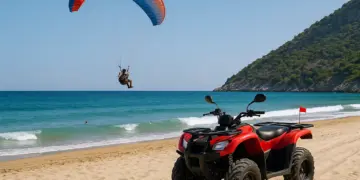
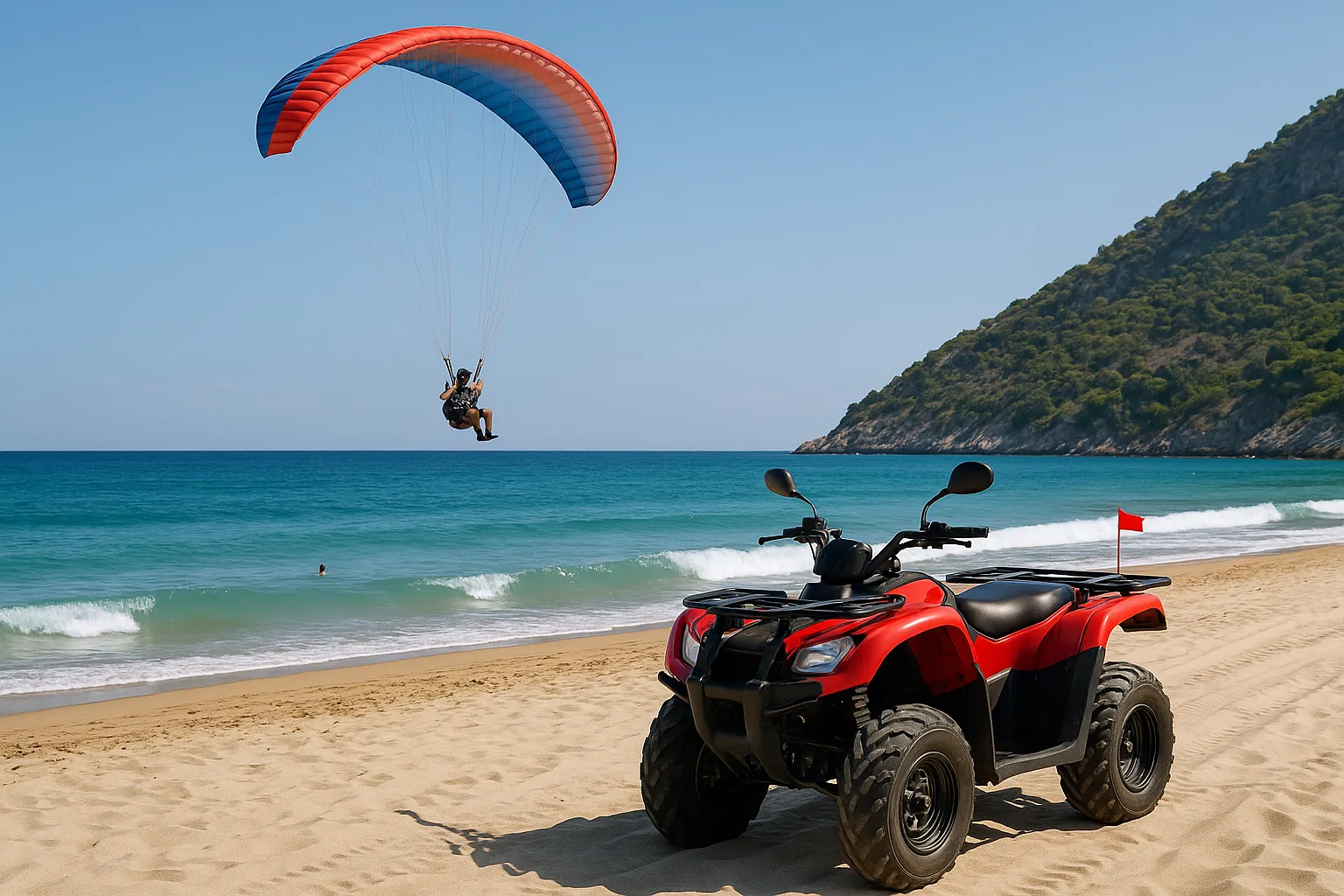
Among the activities highlighted are extreme sports such as paragliding, quad biking, and water sports, along with traditional holiday experiences like jeep safaris and beach outings. A statement from the FCDO cautioned, “If you do an extreme sport, check that adequate safety precautions are in place. British nationals have been injured and killed doing extreme sports. Only use reputable operators. Make sure you are given full instructions and training before your activity. Make sure your travel insurance covers you for all activities you do.”
According to officials, there have been instances within the past year where individuals have tragically drowned while simply visiting beaches. The FCDO’s guidance underscores the risks associated with swimming and water activities, stating, “Every year, people drown in the sea and in swimming pools in Turkey. Always supervise children, even if they can swim or there is a lifeguard present.” They also released warnings regarding potential hazards such as strong currents and hidden underwater dangers, advising swimmers to remain vigilant and to avoid diving into unfamiliar waters.
In regard to beach safety, travellers are encouraged to familiarize themselves with local flag systems that indicate whether it is safe to enter the water.
One specific activity under scrutiny is paragliding, which the FCDO notes carries a significant risk of serious injury or death. The advisory reads, “British nationals have died or been seriously injured whilst paragliding in Turkey. Make sure you are given full instructions and training before your activity.” Those near paragliding sites are advised to be mindful of landing areas, exercising caution to maintain a safe distance from these zones.
Quad biking and moped usage have also been addressed, with the FCDO stating that these activities fall under the category of extreme sports and, as such, come with their own set of dangers. “You need specific travel insurance to cover quad biking. Always read the details of your insurance cover, especially the small print and exclusions on your policy,” the advisory notes.
Travellers are warned that many insurance policies provided by vehicle hire firms only include third-party coverage, meaning individuals may be liable for any damage to rental vehicles. If an accident were to occur, this could result in significant financial burdens or even legal issues, as the loss of the insured customer could lead to an arrest if fees are not settled. Furthermore, it is essential to hold a valid driving licence and ensure safety measures such as wearing helmets are adhered to, as failure to do so may invalidate insurance coverage.
Jeep safaris, a popular excursion, have also been flagged as potentially perilous. The FCDO noted a rise in accidents in recent years associated with such tours, encouraging tourists to choose reputable companies that implement appropriate health and safety protocols. Proper insurance checks before partaking in these activities are also recommended to mitigate risks further.
On a different note, Turkey continues to be a leading destination for British tourists, drawn by the allure of its landscapes and rich history. However, the FCDO has provided advice regarding alcohol consumption, recommending that travelers purchase beverages exclusively from licensed outlets to avoid unsafe products. There have been increasing incidents of severe illness reportedly linked to the consumption of methanol-tainted spirits.
In its statement, the FCDO warned, “There has been an increase in cases of serious illness caused by alcoholic drinks containing methanol in popular travel destinations around the world.” Specifically in Turkey’s major cities, such as Ankara and Istanbul, individuals have suffered from serious health complications after consuming illegally produced alcohol. Methanol poisoning poses a real threat, as minimal amounts can be fatal while remaining undetectable by taste or smell. The guidance strongly advises seeking immediate medical help if symptoms of poisoning arise after consuming alcoholic beverages.
As safety remains a priority for those travelling abroad, the FCDO’s latest updates aim to equip holidaymakers with the knowledge necessary to navigate potential dangers while enjoying their time in Turkey. For more detailed information and further safety tips, individuals are encouraged to review the full advisory from the Foreign Office.
In conclusion, whilst Turkey offers the allure of adventure, it is imperative that British holidaymakers take heed of the FCDO’s warnings, ensuring that they remain safe and informed while enjoying their travels. The balance between adventure and caution is key to a memorable holiday experience.
Our Thoughts
To prevent incidents related to extreme sports and activities in Turkey, several key safety measures and compliance with UK health and safety legislation should be emphasized.
1. **Risk Assessments**: Holiday operators must conduct thorough risk assessments for all activities, identifying potential hazards and implementing control measures as per the Management of Health and Safety at Work Regulations 1999.
2. **Reputable Operators**: Tourists should only engage with operators who provide evidence of adequate health and safety arrangements, as required under the Health and Safety at Work Act 1974.
3. **Safety Briefings and Training**: Companies must provide comprehensive safety briefings and training prior to activities, aligning with the provision of sufficient information and instruction stipulated in the aforementioned regulations.
4. **Insurance Coverage**: Tourists are urged to ensure their travel insurance adequately covers extreme sports, addressing the need for full disclosure on policy exclusions as per consumer protection standards.
5. **Supervision and Lifeguard Presence**: Clear guidelines must be established regarding supervision at beaches, enhancing child safety measures in line with the Children Act 1989.
6. **Emergency Protocols**: Operators should implement emergency protocols for water safety and injury response, complying with the Outdoor Activities Licensing Regulations 2004.
By improving operational standards and compliance, similar incidents can be notably reduced.