














Story Highlight
– RSV season has started, increasing hospital admissions.
– Vulnerable groups include young children and older adults.
– Pregnant women and seniors offered vaccinations for protection.
– NHS ramps up flu vaccine campaign nationwide.
– Handwashing and ventilation recommended to reduce infections.
Full Story
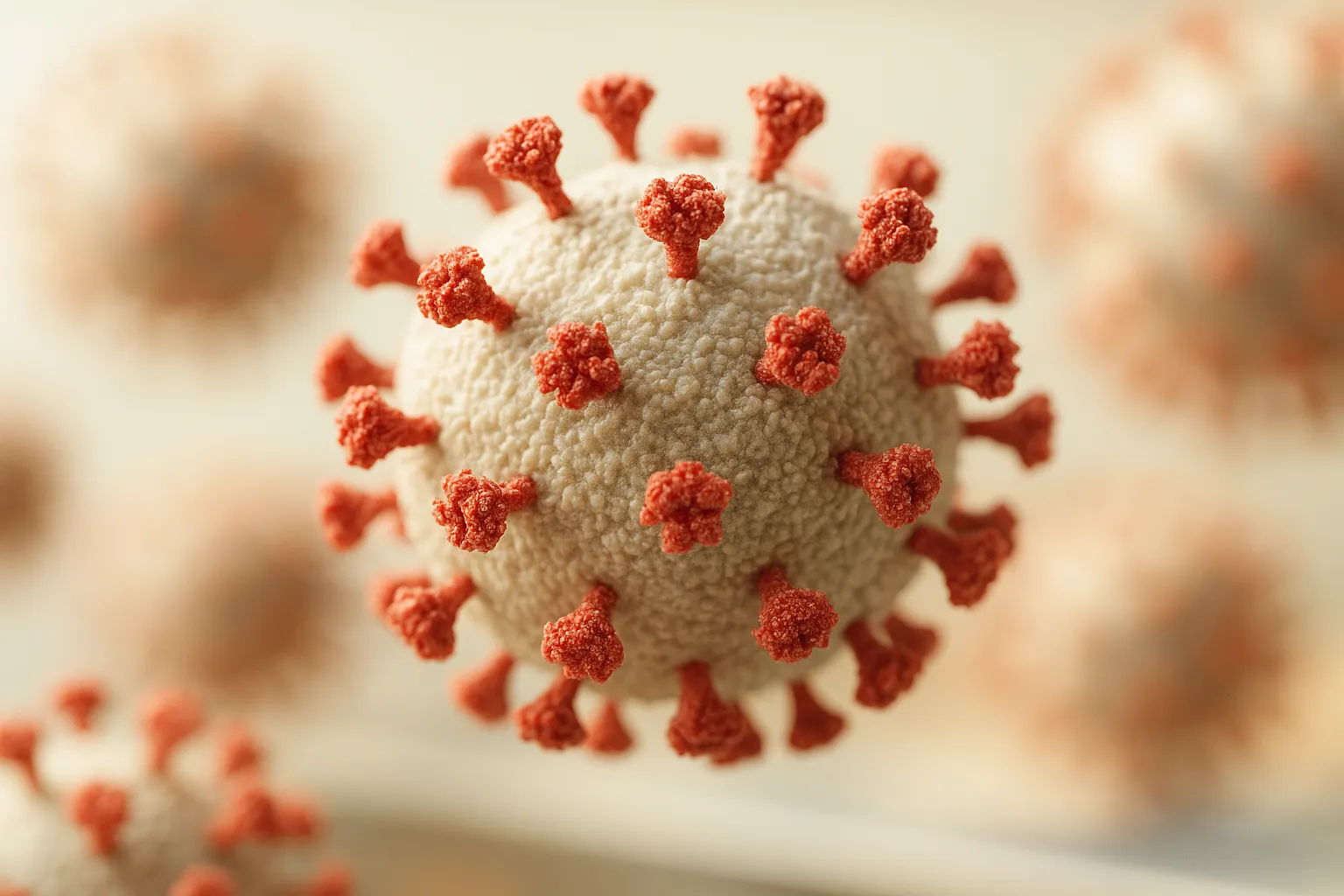
The UK Health Security Agency (UKHSA) has announced the commencement of the Respiratory Syncytial Virus (RSV) season, a period when this common virus becomes more prevalent, particularly affecting young children and older adults. According to the UKHSA’s latest surveillance data, RSV infections tend to resolve naturally; however, they can lead to serious health complications, especially for infants and elderly individuals who are especially vulnerable to severe respiratory illnesses.
Traditionally, cases of RSV have been notably lower in the initial weeks of the reporting period, contrasting with the flu, which has already begun its seasonal uptick earlier than usual. Recent data, however, indicates a concerning rise in both positive RSV tests and related hospital admissions, signalling a shift in patterns compared to the previous years when such an increase was typically anticipated sooner.
Statistics reveal that around 90% of children contract RSV within their first few years of life. For the majority, it produces mild symptoms akin to those of a cold, but for others, it can precipitate serious lung infections, including pneumonia and infant bronchiolitis. This highlights RSV’s role as a leading cause of infant mortality across the globe.
To mitigate the risks associated with RSV, pregnant women are advised to receive a vaccine around the 28-week mark of their pregnancy. This vaccination recommendation is included for every pregnancy to provide optimal protection for newborns. The vaccine is also extended to older adults, especially those aged 75 to 79 or those who turn 80 after September 1, 2024, due to the heightened risk of severe illness from the virus.
In light of the upcoming festive season, health authorities are encouraging all eligible individuals to get vaccinated against the flu. The NHS has made it more convenient to access vaccinations by introducing pop-up clinics in various community hotspots, including shopping malls, parks, and even football clubs. This effort particularly targets older adults, pregnant women, and individuals with specific long-term health conditions, all of whom are deemed at higher risk for severe flu complications.
Parents of children in reception through to year 11 are urged to complete and return consent forms to schools, ensuring their children receive the flu vaccine. For children aged 2-3 years, parents should arrange vaccinations through their general practitioners. Furthermore, maternity services are also equipped to administer the vaccine to expectant mothers.
Although reports of Covid-19 cases have decreased, the UKHSA continues to advocate for vaccinations against the virus as a precautionary measure to avoid severe illness. Dr. Alex Allen, a consultant epidemiologist at the UKHSA, commented on the changing dynamics of seasonal viruses, stating, “This week’s data shows how respiratory virus seasonal trends can vary from year to year, with RSV starting later than expected and flu starting over a month earlier. Despite our virus surveillance showing a mixed picture of activity for flu, we still expect to see further increases as we head into the colder winter months.”
Dr. Allen adds that with the decrease in outdoor temperatures, a rise in indoor gatherings is likely, making vaccinations even more critical. “It remains our best defence against severe illness and hospitalisation,” he asserted.
As the festive period approaches, the public is reminded of essential precautions to help protect themselves and others from respiratory infections, including flu and Covid-19. Individuals displaying symptoms such as high temperature, cough, or general fatigue are advised to limit their contact with others, particularly those in vulnerable groups. Frequent hand washing and maintaining well-ventilated indoor spaces are vital preventive measures. If individuals must attend social gatherings while symptomatic, wearing a face mask is recommended.
Meanwhile, Amy Douglas, lead epidemiologist at UKHSA, shared insights regarding Norovirus trends. Currently, Norovirus activity has remained within expected bounds, yet the agency underscores the importance of preventative actions to inhibit its spread. Notably, children have reported the highest rates of infection at this time. Douglas urges that parents should keep symptomatic children at home for at least 48 hours following the cessation of symptoms, to prevent further transmission within schools and nurseries.
For those experiencing illness, it’s crucial to refrain from working or preparing food for others until 48 hours after symptoms have concluded, as well as avoiding visits to hospitals or care homes. Basic hygiene practices, such as washing hands with soap and warm water and using bleach-based cleaning products on surfaces, can significantly reduce the transmission of Norovirus. Alcohol gels alone are insufficient to combat Norovirus, and should not be solely relied upon.
In summary, as respiratory illnesses rise with the changing seasons, the UKHSA emphasizes the importance of vaccines and public health measures to safeguard the community and protect high-risk segments of the population. The proactive vaccination campaigns and adherence to health guidelines will play pivotal roles in navigating the challenges brought on by respiratory viruses in the coming months.
Our Thoughts
The article highlights the ongoing respiratory virus challenges in the UK, particularly the rise of RSV and flu cases as winter approaches. Key preventive measures, such as vaccinations for vulnerable populations, are emphasized, but there are areas where greater focus on health and safety could improve outcomes.
To mitigate such outbreaks, adherence to the Health and Safety at Work Act 1974, which mandates ensuring the safety and welfare of employees and the public, is essential. Increased public health communication regarding vaccinations and hygiene practices should be prioritized, particularly in high-risk areas like schools and care homes. Ensuring adequate ventilation in indoor spaces could further reduce transmission risks, aligning with the Management of Health and Safety at Work Regulations 1999.
Additionally, the article suggests that individuals with respiratory symptoms should avoid contact with vulnerable populations. Implementing stricter guidelines on sick leave and attendance in educational and care settings could prevent the spread of infections. Regular training on hygiene practices for staff in schools and healthcare settings is also fundamental to enhancing compliance.
In summary, reinforcing public health messaging, improving vaccination uptake, and ensuring rigorous hygiene protocols are essential to prevent similar incidents in the future.





Important reminder to prioritise vaccination where eligible and to maintain good hand hygiene and ventilation at home and in care settings. Pregnant women and older adults should discuss RSV and flu vaccines with their healthcare provider. Employers and service providers should review infection control measures to protect vulnerable people and minimise disruption to health and social care services.