












Story Highlight
– Lee Lancaster installed a gas boiler without qualifications.
– Three gas leaks were discovered after his installation.
– Family left without heating or hot water for weeks.
– Lancaster pleaded guilty to breaching gas safety regulations.
– He received a community order and paid £2,000 costs.
Full Story
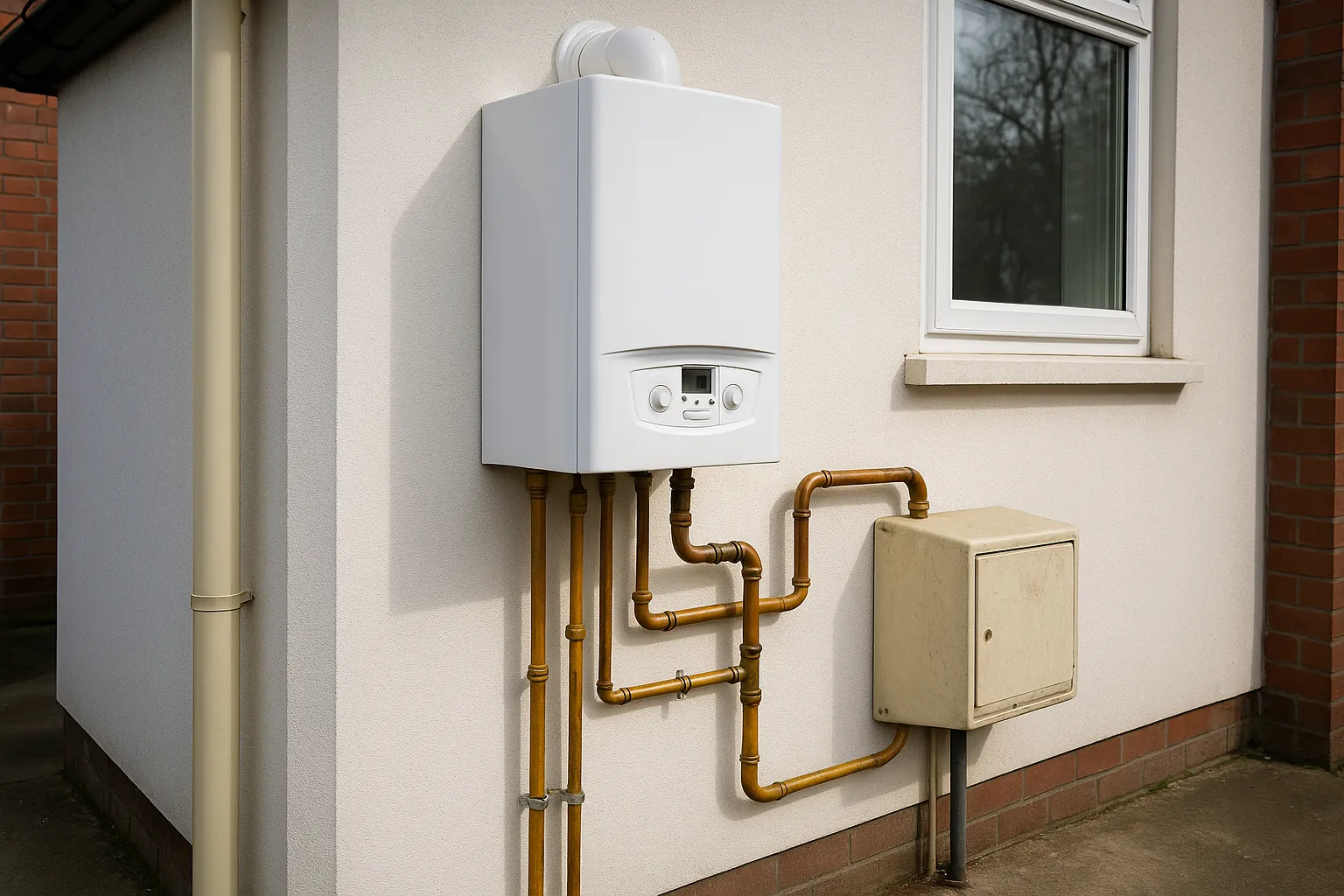
In February 2024, a gas combi boiler installation carried out by Lee Lancaster at a home in Ulverston raised serious safety concerns after residents reported a gas smell near their meter box. This alarming situation prompted immediate action, with Cadent, the local gas network company, responding to the family’s distress call and subsequently discovering three separate gas leaks in the system.
Due to these hazardous findings, the gas supply to the property was cut off for six weeks, leaving the family of four without essential heating or hot water during one of the colder periods of the year. The incident not only disrupted their daily lives but also highlighted significant safety violations in gas installation practices.
The Health and Safety Executive (HSE) became involved following the inspection by Gas Safe, the authority responsible for regulating gas safety in the UK. Their evaluation concluded that the work performed by Lancaster was classified as “Immediately Dangerous,” raising urgent alarms about his competency to conduct gas-related installations.
An investigation by the HSE revealed that Lancaster lacked the necessary qualifications related to gas work and was not deemed competent to conduct such installations safely. Further scrutiny revealed that he was not registered on the Gas Safe Register, which is a legal requirement for anyone wishing to carry out gas installations in the UK. The Gas Safety (Installation and Use) Regulations 1998 mandate that all individuals engaging in gas work must be appropriately registered and possess the relevant qualifications to demonstrate their ability to perform such tasks safely.
In a hearing at South Cumbria Magistrates’ Court, the 38-year-old Lancaster, residing on New Market Street in Ulverston, admitted to breaching specific regulations of the Gas Safety (Installation and Use) Regulations 1998. His admission marked a crucial moment in the legal proceedings, drawing attention to the importance of compliance in ensuring public safety.
The court’s decision culminated in a 12-month community order for Lancaster, along with an order for him to complete 200 hours of unpaid work, reflecting the severity of the breach and the potential risks posed to the family involved. Additionally, he was required to cover costs amounting to £2,000, which further emphasized the legal repercussions of unqualified gas work.
After the verdict, HSE Inspector Matthew Shepherd commented on the gravity of the situation, stating, “The risks from uncontrolled gas leaks are well known and can be fatal. Mr Lancaster knew he was unqualified and not Gas Safe registered yet still took on this work, putting a family in very real danger.” His remarks underline the critical need for adherence to safety regulations in gas installations, particularly given the potential life-threatening hazards associated with gas leaks.
This case not only serves as a warning regarding the dangers of unqualified gas work but also emphasizes the vital role of regulatory bodies in protecting the public. HSE enforcement lawyer Chloe Ward and paralegal officer Lynne Thomas proudly spearheaded the prosecution, underscoring their commitment to holding individuals accountable for breaches in safety standards.
Members of the public are urged to remain vigilant and ensure that any gas installations or repairs are performed solely by Gas Safe registered engineers, emphasising the importance of verifying an engineer’s credentials before work begins. To check an engineer’s registration status, consumers can visit the official Gas Safe Register website at www.gassaferegister.co.uk or contact the helpline at 0800 408 5500.
As the community reflects on this unsettling incident, it raises broader questions about safety compliance in domestic service industries. Families and individuals must be aware of the significance of qualifications in fields requiring expert knowledge, especially those that involve potential risks to life and property. The regulatory framework designed to oversee such work exists for a reason, and compliance is not optional.
In conclusion, this event serves as a critical reminder of the importance of ensuring that all gas work is performed by qualified professionals. The repercussions of negligence in such matters can be severe, and the need for rigorous adherence to safety standards cannot be overstated.
Our Thoughts
To prevent the incident involving Lee Lancaster, several critical measures could have been implemented. First, prior to undertaking gas work, he should have ensured he was qualified and Gas Safe registered, as mandated by the Gas Safety (Installation and Use) Regulations 1998. This regulation stipulates the necessity for workers to prove their competence through appropriate qualifications, which Lancaster failed to do.
Additionally, supervision and compliance checks could have been enforced by the homeowner or a reliable contractor, ensuring that only qualified professionals are engaged for such potentially hazardous work. This incident highlights the significant risk associated with unqualified gas work, emphasizing the importance of verifying credentials before the commencement of any gas installation.
Going forward, to prevent similar incidents, it is essential to raise awareness about the importance of hiring only Gas Safe registered engineers, and to implement stringent checks or regulations within the construction industry. Regular training and education sessions for homeowners could also reinforce the vital nature of compliance with health and safety regulations.