













Story Highlight
– Lee Lancaster installed a gas boiler without qualifications.
– Family of four left without heating or hot water.
– HSE classified Lancaster’s work as Immediately Dangerous.
– He was not registered on the Gas Safe Register.
– Sentenced to community order and fined £2,000 costs.
Full Story
Lee Lancaster, a 38-year-old man from Ulverston, faced legal action following the unsafe installation of a gas combi boiler and associated gas piping at a residential property in February 2024. The case underscores the vital importance of compliance with gas safety regulations, which are designed to protect both individuals and families from the dangers posed by gas leaks.
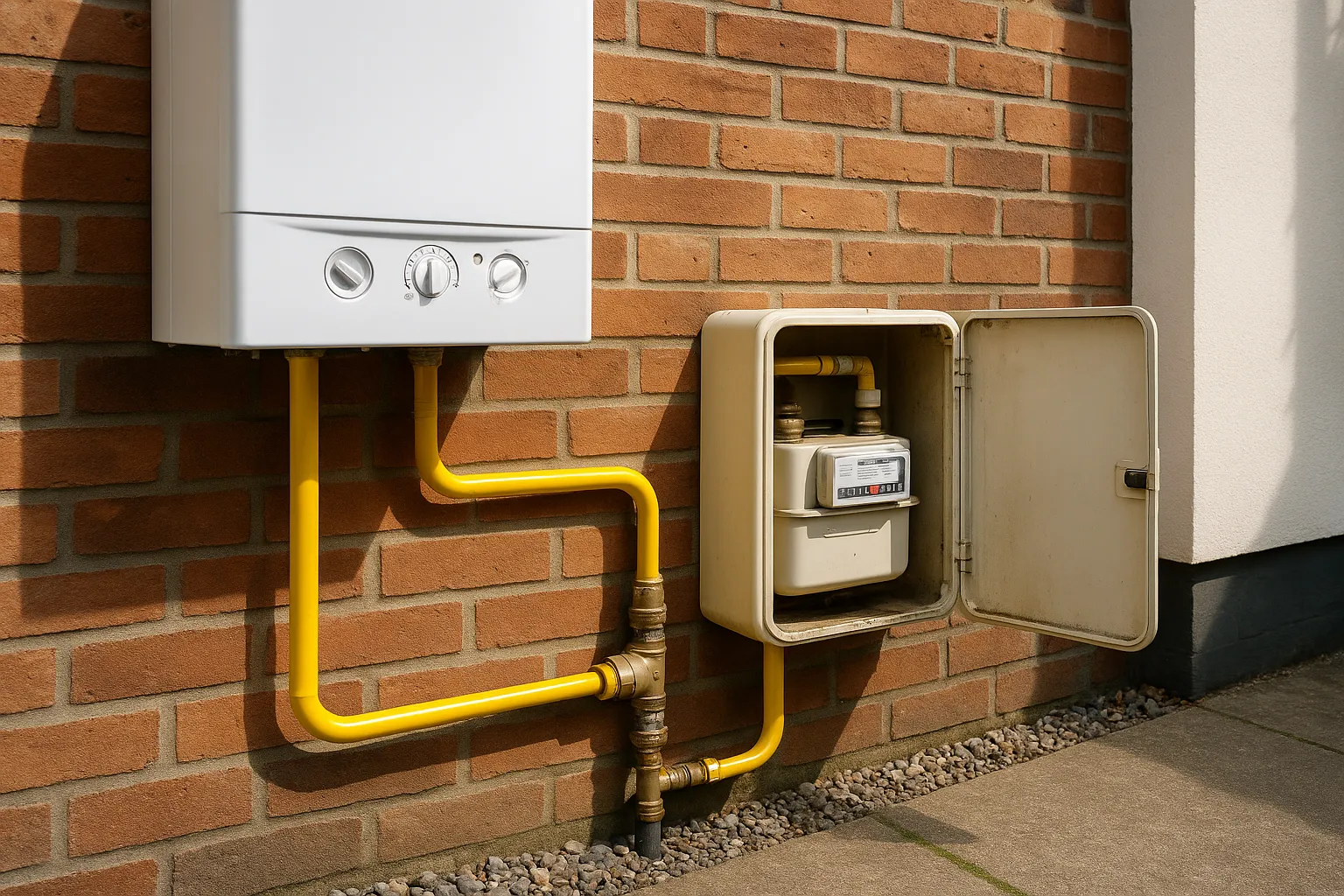
Following the completion of the gas installation work, the inhabitants of the home reported detecting a gas odour emanating from near their gas meter box. Concerned for their safety, the family promptly contacted Cadent, the gas distribution company. Upon investigation, Cadent identified multiple gas leaks at the property—specifically, three separate leaks. Consequently, as a precautionary measure, the gas supply to the residence was suspended for a six-week period, leaving the family of four without essential services like heating and hot water during the cold winter months.
The incident drew the attention of the Health and Safety Executive (HSE) when a routine inspection by Gas Safe raised alarms about the nature of the work performed. The Gas Safe inspector classified the installation as “Immediately Dangerous,” highlighting immediate risks posed by the work conducted by Lancaster.
Following the initial report, the HSE initiated a thorough investigation, which revealed concerning findings regarding Lancaster’s qualifications. It turned out that he lacked the necessary training and certification related to gas work, raising significant questions about his competence to safely conduct such installations. Additionally, he was not listed on the Gas Safe Register—an official registry of qualified gas engineers authorised to perform gas work legally.
The Gas Safety (Installation and Use) Regulations 1998 stipulate that individuals undertaking gas-related work must be registered with Gas Safe and possess the relevant qualifications to ensure their proficient handling of gas systems. Lancaster’s actions were in direct violation of these regulations, prompting the HSE to take appropriate legal action.
Earlier this week, he appeared at South Cumbria Magistrates’ Court, where he admitted to violating Regulations 3(1) and 3(3) of the aforementioned regulations. The magistrates handed down a sentence that included a 12-month community order, during which Lancaster is required to complete 200 hours of unpaid work. Additionally, he was ordered to pay costs amounting to £2,000.
In the wake of the court proceedings, HSE Inspector Matthew Shepherd spoke out on the seriousness of the situation. He stated, “The risks from uncontrolled gas leaks are well known and can be fatal. Mr Lancaster knew he was unqualified and not Gas Safe registered yet still took on this work, putting a family in very real danger. We will not hesitate to take action against anyone undertaking gas work where they are not competent or registered to do so.” This statement highlights the regulatory body’s commitment to ensuring public safety and conducting rigorous enforcement against non-compliant individuals.
The prosecution was part of a broader effort by the HSE to prevent incidents of this nature, which can have dire consequences. The case serves as a stark reminder to both consumers and service providers about the importance of utilising qualified personnel for gas installations and repairs.
Members of the public are urged to verify the credentials of any professionals they engage for gas work. The HSE recommends that individuals only hire engineers who are registered with Gas Safe. Verification can be easily accomplished by visiting the Gas Safe Register website at www.gassaferegister.co.uk or by contacting their helpline at 0800 408 5500.
This incident and subsequent legal action against Lancaster come in the wake of increasing awareness regarding gas safety practices within households. With many families depending on gas for heating and cooking, the potential dangers associated with improper installations can lead to life-threatening consequences. Ensuring that gas work adheres to the highest safety standards is imperative for the wellbeing of all.
Lancaster’s case underscores the necessity for ongoing public education about the regulations governing gas installations and the critical role of maintaining strict compliance with those rules. The repercussions faced by individuals who fail to comply serve as a warning, reflecting the significant liability should safety standards be neglected.
In conclusion, as voice calls for stronger regulations and public vigilance regarding gas safety continue to grow, the lessons drawn from this case highlight the vital need for both adherence to regulatory standards and the diligence of consumers in safeguarding their households against potential hazards. Maintaining awareness of who is handling essential home services can help ensure a safer living environment for everyone.
Our Thoughts
Lee Lancaster’s installation of a gas combi boiler without the necessary qualifications or registration led to serious safety breaches. To prevent such incidents, stricter enforcement of compliance checks for gas engineers is essential. Ensuring that only individuals who are Gas Safe registered carry out gas installations is crucial to maintaining safety standards.
Key lessons include the importance of proper worker qualifications and adhering to safety regulations. The Gas Safety (Installation and Use) Regulations 1998, specifically Regulations 3(1) and 3(3), were breached in this case, as Lancaster lacked the necessary registration and competency.
Preventative measures could include increased public awareness campaigns regarding the importance of hiring qualified professionals for gas work. Additionally, rigorous inspections and penalties for unqualified individuals attempting gas installations should be implemented to deter similar violations in the future. Regular audits of registered gas engineers could help uphold safety standards and ensure compliance, ultimately protecting families from dangers associated with gas leaks.