














Story Highlight
– Welsh Government’s assessment calls for maternity care improvements.
– Report highlights staffing and facility issues in maternity wards.
– Stillbirth and neonatal death rates are concerningly high.
– Health Secretary commits to implementing all report recommendations.
– New plans aim to ensure safe staffing and best practices.
Full Story
A recent assessment commissioned by the Welsh Government has revealed significant shortcomings in maternity and neonatal care, emphasising the urgent need for reform in staffing, facilities, and the management of health inequalities. This independent study, led by the former Children’s Commissioner for Wales, Professor Sally Holland, was published on 25 February 2026 and identifies crucial areas requiring immediate attention.
The report advocates for enhanced leadership structures, the implementation of real-time safety monitoring mechanisms, and the establishment of updated national guidelines aimed at improving services for mothers and newborns. Central to the care provided in Gwent is the Grange University Hospital obstetric unit, which is supported by midwifery-led services at Ysbyty Ystrad Fawr and Ysbyty Aneurin Bevan.
Aneurin Bevan University Health Board, which serves as one of the largest maternity service providers in Wales, recorded 5,589 births to Gwent-resident women in the year 2024 alone. However, the study’s findings raise serious concerns regarding staffing levels, the adequacy of facilities, and increasing intervention rates, including a notable rise in both caesarean sections and inductions.
Peter Fox, the Welsh Conservative shadow cabinet secretary for health and social care, has expressed concerns over the state of maternity services in light of this report. “After 27 years of Labour running our NHS, propped up by Plaid, this report lays bare a maternity system that is overstretched, under-supported and lagging behind the rest of the UK,” he stated. Fox highlighted that families are experiencing inadequate postnatal care and insufficient mental health support, while healthcare staff grapple with unsafe staffing conditions and escalating intervention rates.
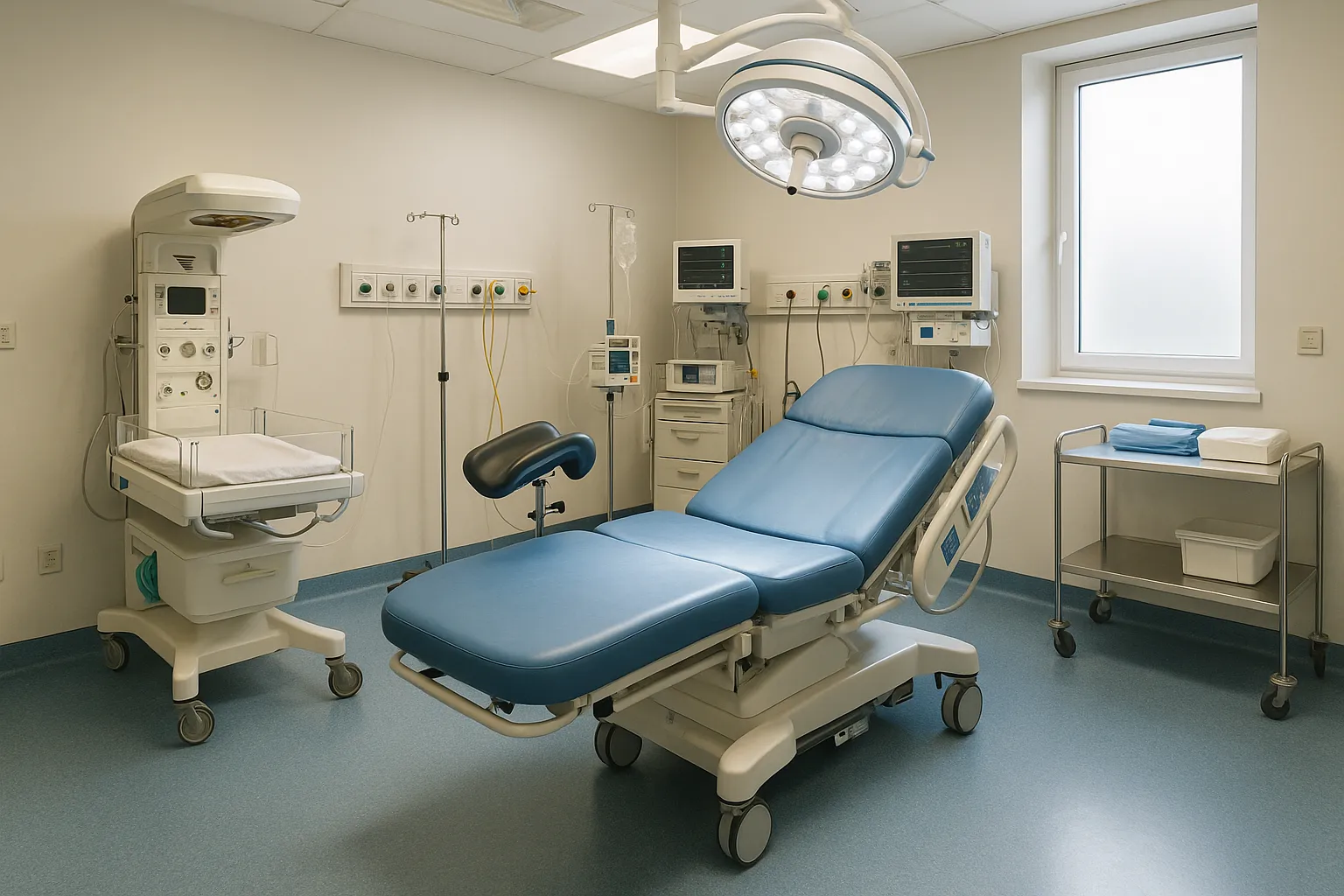
The report also sheds light on the alarming rates of stillbirths in Wales, which remain the highest in the UK, alongside elevated neonatal mortality rates that exceed those of other regions. These issues are particularly pronounced in more deprived areas, such as parts of Gwent. Current statistics indicate that nearly half of all births now take place in operating theatres, and approximately one-third of induced labours result in caesarean deliveries.
In response to the report, the Welsh Government has fully endorsed seven of the assessment’s recommendations and partially accepted one. Health Secretary Jeremy Miles remarked, “All mothers, babies and families have the right to safe, high-quality care. I commissioned the national assurance assessment to provide an independent, objective examination of maternity and neonatal services. It highlights areas of excellence, identifies where improvements are needed, and reinforces the dedication and professionalism of our workforce.”
To address the findings, Health Education and Improvement Wales, along with NHS Performance and Improvement, will take steps to redesign perinatal workforce plans, ensuring that health boards maintain safe staffing levels. Furthermore, the broader improvement initiative will include establishing a national forum for best practices, as well as the introduction of continuous safety monitoring and the development of clear operating procedures that are trauma-informed and centred around families, enabling health boards to effectively manage incidents.
Jeremy Miles further expressed his gratitude, stating, “I want to thank the panel for their work and am grateful to all those who engaged with the assessment process. Their insights and experiences have been invaluable, ensuring the voices of women, families, staff and communities across Wales are reflected in the final report.”
The report also underscores ongoing inequalities in perinatal outcomes and breastfeeding rates that are influenced by factors such as deprivation and ethnicity. It notes that accessible, real-time data regarding local performance is still lacking, leaving both families and frontline staff without critical information.
In summary, this comprehensive assessment highlights the pressing need for improvements in maternity and neonatal care across Wales. The implications of its findings not only affect families relying on these services but also underscore the critical need for sustainable, well-resourced, and equitable healthcare provisions. The Aneurin Bevan University Health Board has been approached for further comment regarding the report and its recommendations.
Our Thoughts
The report underscores critical areas for improvement in maternity and neonatal care, indicating potential breaches of UK health and safety legislation regarding staff welfare and patient safety. Key lessons include the importance of maintaining appropriate staffing levels, as inadequate staffing can lead to increased burnout and affect care quality, thus infringing on the Health and Safety at Work Act 1974 which mandates a safe working environment.
Strengthened leadership and real-time safety monitoring could have mitigated risks associated with high intervention rates and poor outcomes. The absence of clear national guidance and performance data suggests a failure to comply with the Care Quality Commission standards, essential for ensuring consistent high-quality care.
To prevent similar incidents, there must be continuous risk assessments and a commitment to improving facilities and support for staff, in line with the Health and Social Care Act 2008 which requires providers to ensure the safety and welfare of patients. Establishing effective communication channels for reporting and addressing safety concerns could further enhance care quality and promote a safer environment for both patients and healthcare professionals.