














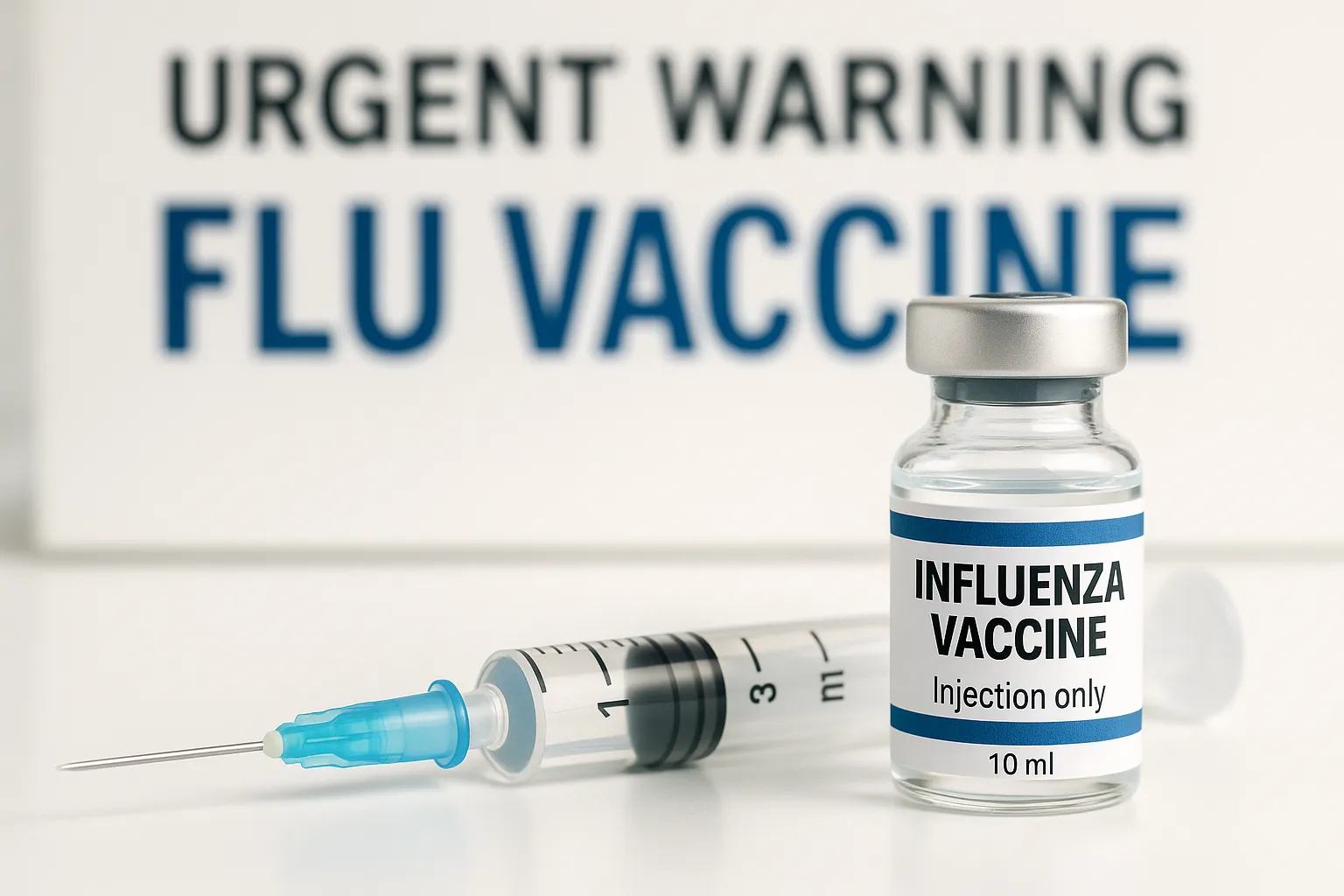
Story Highlight
– Urgent flu vaccination is recommended before Christmas.
– Monitor for severe allergic reactions post-vaccine.
– Key warning signs: breathing trouble, sudden swelling.
– Persistent fever and skin reactions require medical attention.
– Seek help for severe headache or dizziness symptoms.
Full Story
Health officials have issued a timely reminder to the public regarding the importance of flu vaccinations this winter, as the festive season approaches. With the rise in influenza cases across the UK, medical professionals are keen to ensure that individuals take heed of specific warning signs that could signal a need for urgent medical attention post-vaccination.
The UK Health Security Agency (UKHSA) has strongly encouraged eligible members of the population to get vaccinated against flu, alongside Covid-19 and respiratory syncytial virus (RSV) for those at heightened risk. The annual increase in flu cases typically leads to thousands of hospital admissions, highlighting the necessity for preventative measures as families gather indoors over the Christmas period.
According to reports from various sources, including Bristol Live, vaccination is underscored as the foremost strategy to guard against severe illness and potential hospitalisation. Influenza can particularly exacerbate conditions in vulnerable groups, including individuals with pre-existing respiratory or cardiac illnesses, diabetes, kidney and liver diseases, as well as chronic neurological disorders.
Dr Fiona Neely, a consultant in health protection with UKHSA, emphasised the significance of the vaccine during the upcoming holiday season: “Christmas is a time for bringing families together, but winter viruses don’t take a holiday.” She stressed the urgency for eligible individuals to utilise their opportunity for a free flu vaccination, noting that it usually takes about two weeks to achieve optimal immunity after receiving the jab. “It is not too late to get your jab and help ensure everyone can enjoy the festive season safely,” she urged.
Those eligible for the free vaccinations include children aged between 2 and 17 years, adults over the age of 65, pregnant women, and individuals with specific chronic health issues. Frontline health and social care workers, as well as close contacts of immunocompromised persons, also qualify for vaccination. Appointments can be scheduled via the NHS national booking system, local general practices, or pharmacies. For further information regarding flu vaccinations, the public can visit the NHS website.
Despite the rarity of severe reactions to vaccines, experts have highlighted the importance of being able to identify these potential symptoms as they arise. Dr Giuseppe Aragona, a GP and chief medical adviser at Prescription Doctor, pointed out, “Severe reactions are rare, but that’s exactly why we need to be able to spot them as and when they happen. Immediate medical attention can be the difference between a manageable situation and a life-threatening emergency.” The incidence of serious allergic reactions post-vaccination is estimated to be about 1 in 900,000, making awareness of warning signs crucial for timely intervention.
Among the symptoms to monitor after receiving a flu vaccination are:
1. **Breathing difficulties**: Sudden respiratory issues may present within minutes to hours following vaccination, potentially signalling an acute allergic reaction known as anaphylaxis. Although the occurrence of such reactions is infrequent—as indicated by UKHSA data—immediate medical attention is essential. Anaphylaxis can lead to life-threatening consequences, including airway constriction and shock. Anyone experiencing breathlessness after their flu jab should seek emergency help to mitigate serious complications.
2. **Rapid swelling of the arm**: Significant swelling at the injection site can occur, and while some localised swelling is typical, an extensive and swift increase in size requires urgent evaluation. This could be indicative of an allergic reaction or infection. If the area also appears red and painful, it may signify cellulitis, a bacterial skin infection that necessitates prompt medical assessment for effective management.
3. **Persistent fever**: While mild fevers are generally a natural response as the body builds immunity, a fever lasting longer than 48 hours can warrant medical advice. A prolonged high fever could indicate either an adverse vaccine reaction or a concurrent infection, particularly concerning for individuals with compromised immune systems. It is important to have these symptoms assessed by a healthcare professional early to ensure appropriate treatment.
4. **Appearance of hives or welts**: The sudden development of hives or welts on the skin post-vaccination could denote an allergic response needing immediate attention. These skin reactions typically arise shortly after vaccination due to the body’s immune response. While manageable, they can escalate if not addressed promptly, making early recognition and consultation with a GP essential to prevent more severe conditions.
5. **Severe headache or dizziness**: While many individuals experience minor headaches as a common vaccine side effect, a sudden onset of severe headache or dizziness—especially if accompanied by neurological symptoms—requires immediate medical investigation. Such symptoms, although rare, could indicate serious conditions like encephalitis and should not be ignored.
Health practitioners continue to advocate for vigilance following vaccinations, encouraging early medical intervention to prevent complications and ensure public safety. By remaining informed and attentive to the potential warning signs, the public can better protect themselves and their loved ones this winter, fostering a safer festive environment for all.
Our Thoughts
To prevent the risks associated with flu vaccinations, several measures could be implemented. Firstly, better communication of warning signs and immediate care protocols should be established. Health authorities could enhance patient education prior to vaccination, ensuring individuals are aware of potential adverse reactions and the necessity of seeking prompt medical attention.
Moreover, compliance with the Health and Safety at Work Act 1974 should be emphasized, specifically regarding the obligation to ensure the health and safety of individuals receiving treatments in healthcare settings. Additionally, the Management of Health and Safety at Work Regulations 1999 mandates that employers conduct risk assessments; thus, vaccination clinics should assess and address the potential risks of allergic reactions.
Adopting clear post-vaccination monitoring protocols could also facilitate early detection of adverse reactions. Training for healthcare staff in recognizing and managing severe allergic responses like anaphylaxis is crucial, ensuring that prompt intervention is available.
In summary, increased patient education, rigorous adherence to existing health and safety regulations, and enhanced staff training can minimize the risks associated with flu vaccinations and address adverse reactions effectively.